The dual identity of Burghers: From Dutch farmers to Sri Lankan settlers
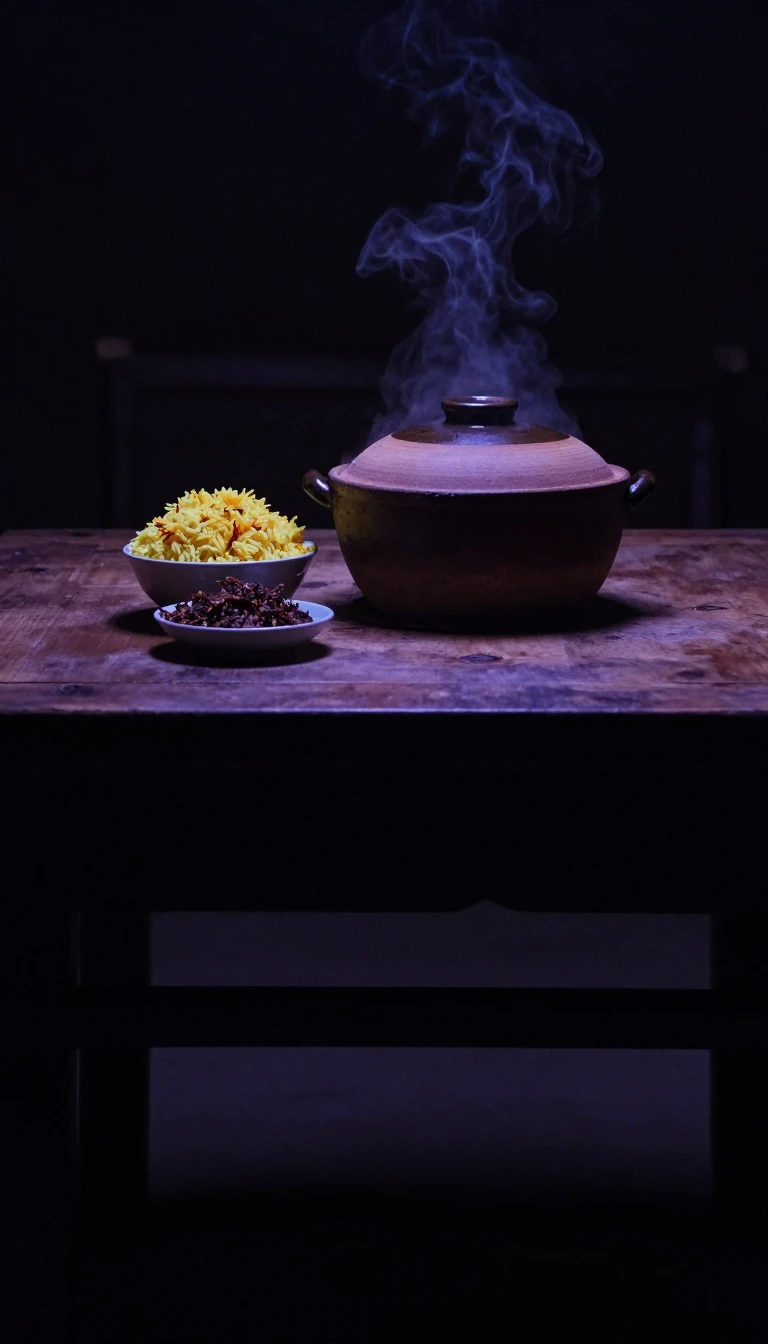
In short: Depending on where you are in the world, a 'Burgher' describes two vastly different histories. In South Africa, they were rugged pastoralists who forged an independent republic; in Sri Lanka, they are a small ethnic group of mixed European descent whose identity was legally codified by colonial courts.
The term Burgher refers to distinct cultural groups shaped by European colonialism. In the context of South Africa, it relates to the Boers—descendants of Dutch, German, and Huguenot settlers who arrived in 1652. These 'husbandmen' eventually moved into the interior as trekboeren (wandering farmers). They developed a self-sufficient pastoralist economy and a distinct identity rooted in Calvinism, viewing themselves as a 'Christian elect' divinely ordained to rule the land.
The South African Boers were defined by their resistance to British authority. After leaving the Cape Colony between 1835 and 1843 during the Great Trek, they established independent republics in the Transvaal and the Orange Free State. These republics eventually committed to apartheid—a system of strict segregation—until the Boer republics surrendered to British forces in 1902 following a two-year war sparked by gold and diamond discoveries.
In contrast, the Burghers of Sri Lanka are an Asian ethnic group descended from Portuguese, Dutch, and British settlers. Unlike the mobile Boers, these Burghers were often traders or maritime residents. Because early Portuguese sailors married local Sinhalese and Tamil women, the community became a mix of European and indigenous phenotypes. Their identity was formally defined in 1883 by Chief Justice Sir Richard Ottley, who established that a Burgher must have at least one European ancestor on the paternal side.
While South African Afrikaners (the modern descendants of Boers) retained their language and culture to achieve political power, Sri Lankan Burghers largely adopted English during British rule. Today, both groups represent complex legacies of migration: one defined by a 'wilderness' pastoralist spirit and the other by a codified colonial lineage in the Indian Ocean.
Opens the Intellect+ feed with this card first. Swipe up for the next one.
Sources
- Summary by Intellect · source: Burgher | people | Britannica
- Also: Burgher people
To cite this card, link to https://intellectplus.co.uk/app/culture-burgher-people.
How we source, check and correct cards: Editorial standards.
General information, not professional advice. Spotted an error? Flag the card or see corrections and complaints.
Intellect Plus is a visual educational discovery platform for exploring fascinating facts and ideas. Brain Food, Not Brain Rot. What is Intellect Plus?
Related
More in Languages · More in Cultures · Latest · A–Z · All topics
