Why the same plant is called a pepper in Britain and a capsicum elsewhere
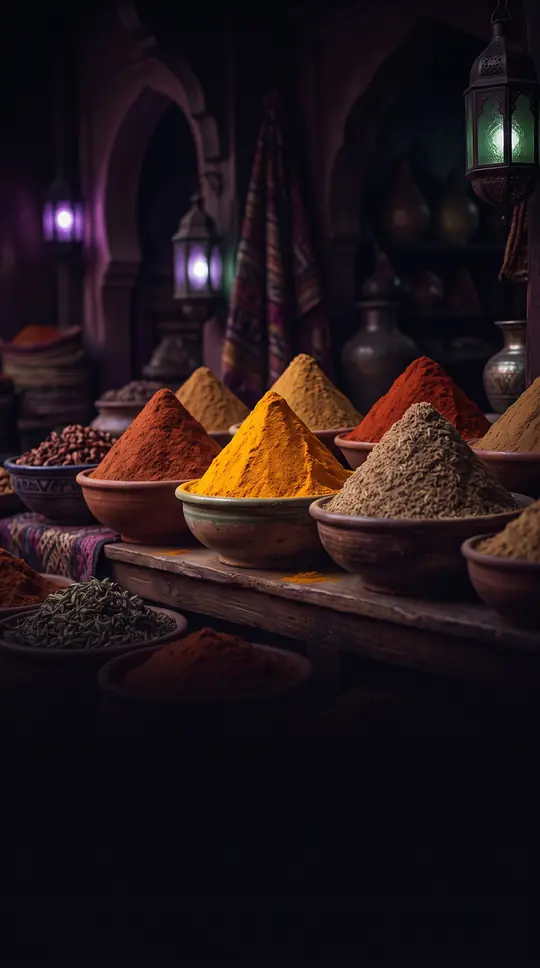
In short: The plant genus Capsicum spans everything from mild bell peppers to the world's hottest chilies. While its name varies globally—often reflecting local linguistic quirks—its biological complexity is even more surprising. With a genome larger than a human's, this nightshade relative has reshaped global cuisines for over 500 years.
Native to the Americas, Capsicum has been cultivated for at least 5,000 years, with archaeological evidence found in ancient pottery from Puebla and Oaxaca. The genus includes 20 to 27 species, though a 2022 monograph suggests there may be as many as 43. These plants are remarkably adaptable, evolving over 17 million years to produce capsaicin, a lipophilic chemical that creates a burning sensation. This heat serves as a natural defense mechanism, deterring mammals while leaving birds unaffected.
The plant's global spread began after Spanish conquistadors encountered it in the New World. Along with cocoa and potatoes, they introduced peppers to Europe and their colonies in the Philippines, from where the plant reached Asia. The Portuguese further accelerated this spread, bringing varieties to India and Africa. In many regions, these hot peppers became essential for enlivening monotonous diets during religious fasts, eventually becoming foundational to dishes ranging from Hungarian lecsó to Indian curries.
Botanically, the fruit is a berry, yet its naming conventions are famously inconsistent. In the United Kingdom and Ireland, the term 'pepper' is standard, whereas Australia, India, and New Zealand prefer 'capsicum.' This confusion is compounded by the plant's genetics; the lack of heat in bell peppers, for instance, is caused by a single recessive gene. Despite this, the plant remains a culinary powerhouse, with a 2005 poll ranking it as Britain's fourth-favourite vegetable.
Modern science continues to uncover the secrets of the Capsicum genome. Completed in 2014, the C. annuum genome is approximately 3.48 Gb, significantly larger than the human genome, with over 75% composed of transposable elements. Today, breeding programs at institutions like New Mexico State University and Cornell University continue to refine these plants for specific climates and resistances, ensuring their place in both industrial agriculture and home gardens worldwide.
Opens the Intellect+ feed with this card first. Swipe up for the next one.
Sources
- Summary by Intellect · source: Capsicum
To cite this card, link to https://intellectplus.co.uk/app/culture-capsicum.
How we source, check and correct cards: Editorial standards.
General information, not professional advice. Spotted an error? Flag the card or see corrections and complaints.
Intellect Plus is a visual educational discovery platform for exploring fascinating facts and ideas. Brain Food, Not Brain Rot. What is Intellect Plus?
Related
More in UK & Irish culture · More in Cultures · Latest · A–Z · All topics
