The Celtic Otherworld was not a singular afterlife but a parallel realm of mystery.
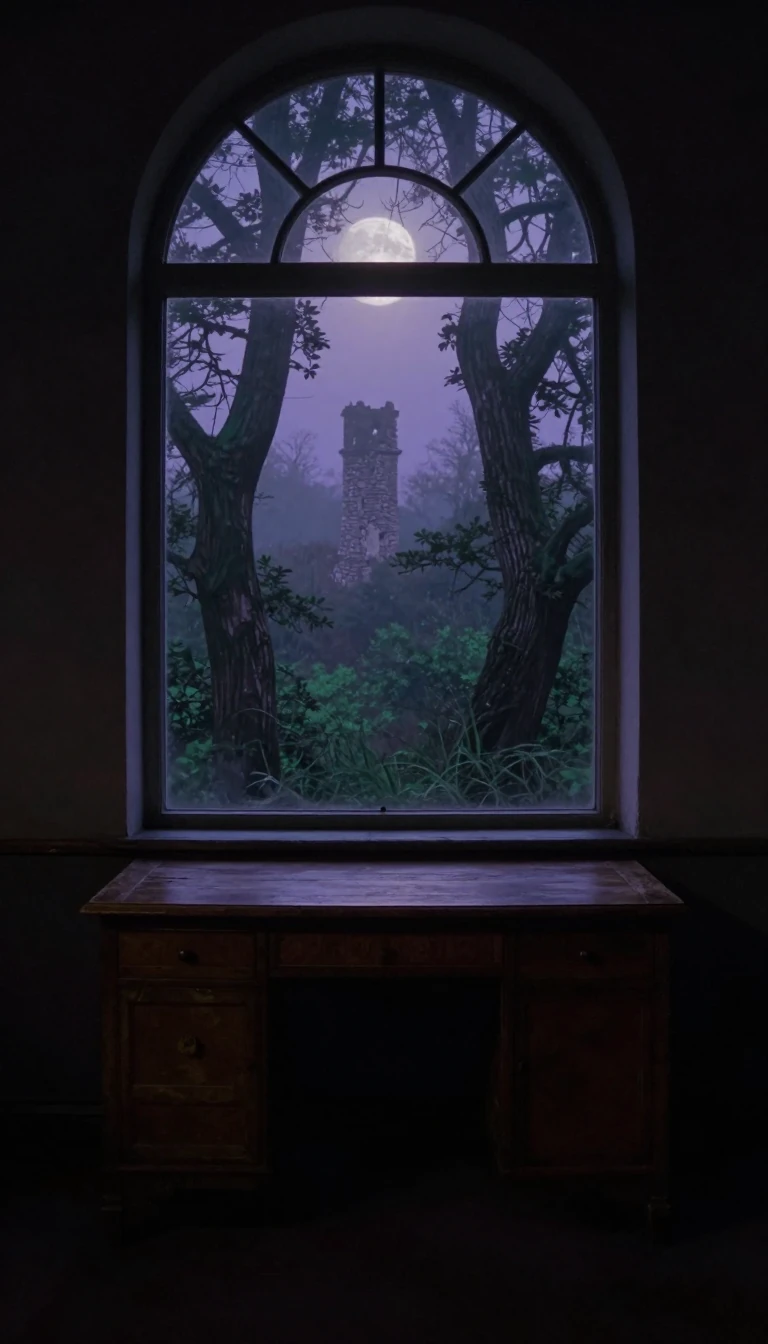
In short: In Celtic myth, the Otherworld is a supernatural domain of eternal youth and beauty, existing alongside our own. Whether hidden within burial mounds, beneath the waves, or across the western sea, this elusive land served as a dwelling for gods, ancestors, and heroes who were forever changed by their contact.
The Otherworld, known by various names such as Annwn in Welsh tradition, Tír na nÓg in Irish myth, and Avalon in Arthurian legend, was rarely a final destination for the dead. Instead, it functioned as a parallel reality characterized by abundance, health, and a distorted perception of time. Mortals who ventured into this realm—often through ancient burial mounds called sídhe or by crossing the western sea—frequently returned to find that centuries had passed in the human world, despite their own experience lasting only a short duration.
This realm was deeply integrated into the social and spiritual fabric of Celtic life. It was the home of the Tuatha Dé Danann, the gods who retreated into the sídhe after the Gaels conquered Ireland. It also served as a source of political legitimacy; in the tale Baile in Scáil, the god Lugh appears to Conn of the Hundred Battles within an Otherworld hall to validate his kingship. Furthermore, the Otherworld was not monolithic. While some regions were paradisiacal, others like Tech Duinn, identified with Bull Rock off the Irish coast, were specifically associated with the gathering of souls, potentially as a waypoint before reincarnation.
The influence of these beliefs persisted long after the decline of ancient Celtic societies. Continental traditions, documented by figures like Procopius of Caesarea, described souls traveling to the northwest coast of Gaul to be ferried across the sea to Britain by ghostly ships. These motifs of liminality—where the boundary between worlds thins during festivals like Samhain and Beltane—have left an indelible mark on literature. Modern authors, including J. R. R. Tolkien, C. S. Lewis, and George R. R. Martin, have drawn heavily upon the imagery of the Aos Sí, the Otherworld folk, to craft their own supernatural landscapes, proving that the allure of this hidden, parallel world remains a potent force in human storytelling.
Opens the Intellect+ feed with this card first. Swipe up for the next one.
Sources
- Summary by Intellect · source: Celtic Otherworld
To cite this card, link to https://intellectplus.co.uk/app/culture-celtic-otherworld.
How we source, check and correct cards: Editorial standards.
General information, not professional advice. Spotted an error? Flag the card or see corrections and complaints.
Intellect Plus is a visual educational discovery platform for exploring fascinating facts and ideas. Brain Food, Not Brain Rot. What is Intellect Plus?
Related
More in Peoples & civilisations · More in Cultures · Latest · A–Z · All topics
