The imaginary worlds that shaped a literary legend
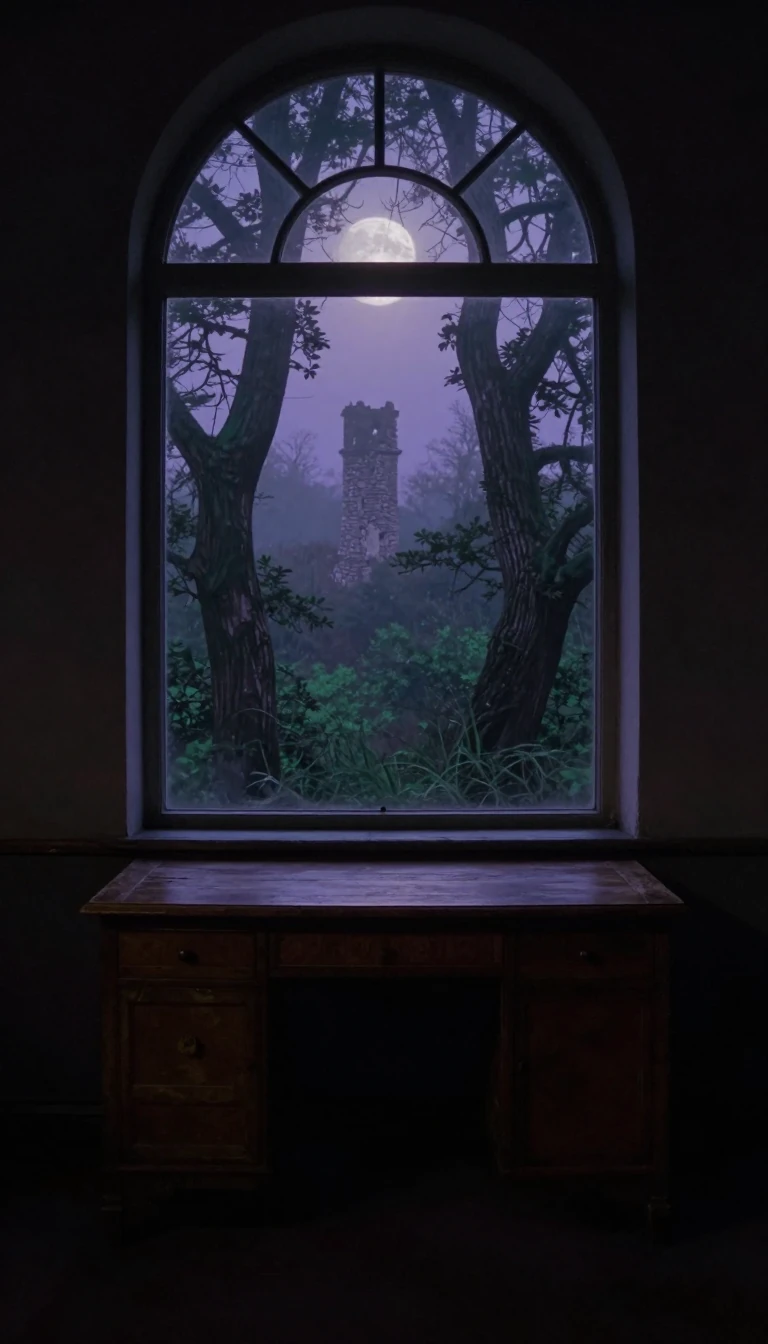
In short: Before she was the celebrated author of Jane Eyre, Charlotte Brontë spent her childhood constructing vast, intricate empires. From wooden soldiers to the sprawling Glass Town Confederacy, these private fantasies were not mere play, but the foundational training ground for one of English literature's most profound voices.
In the 1820s, at the Haworth parsonage, the Brontë siblings engaged in a sophisticated form of collaborative world-building. Triggered by a gift of twelve wooden soldiers to their brother Branwell in 1827, the children developed a complex role-playing game known as 'The Twelves'. This evolved into the 'Glass Town Confederacy', a fictionalized West African archipelago where each sibling controlled a specific island and capital.
Charlotte and Branwell were the primary architects of this shared universe. While Branwell focused on the politics and battles of their 'world below', Charlotte infused the narratives with high society, romance, and intense emotionality. The project even included its own press, such as 'Branwell's Blackwood's Magazine', where Charlotte’s early poetry first appeared. As the siblings grew, the geography split: Emily and Anne moved toward the land of Gondal, while Charlotte and Branwell expanded the Angrian saga.
This period of intense creativity was a vital psychological refuge. Following the traumatic deaths of her mother, Maria, and two elder sisters, and enduring the harsh, disease-ridden conditions of the Cowan Bridge school, Charlotte used these imaginary lands to explore different identities. However, the transition to adulthood brought a struggle to reconcile these fantasies with reality. In 1839, she wrote 'Farewell to Angria', a manuscript documenting her painful decision to abandon her imaginary friends to face the 'lands unknown' of the real world.
The discipline required for such sustained imaginative effort likely informed her later literary mastery. Even as she moved into the more realistic subject matter of her adult novels, the structural consistency and character depth she practiced in her youth remained evident.
Opens the Intellect+ feed with this card first. Swipe up for the next one.
Sources
- Summary by Intellect · source: Charlotte Brontë
- Also: www.britannica.com — Charlotte Bronte | Biography, Books, Novels, Jane Eyre, & Facts | Britannica
To cite this card, link to https://intellectplus.co.uk/app/culture-charlotte-bront.
How we source, check and correct cards: Editorial standards.
General information, not professional advice. Spotted an error? Flag the card or see corrections and complaints.
Intellect Plus is a visual educational discovery platform for exploring fascinating facts and ideas. Brain Food, Not Brain Rot. What is Intellect Plus?
Related
More in UK & Irish culture · More in Cultures · Latest · A–Z · All topics
