Chow mein just means stir-fried noodles, yet versions abroad look very different
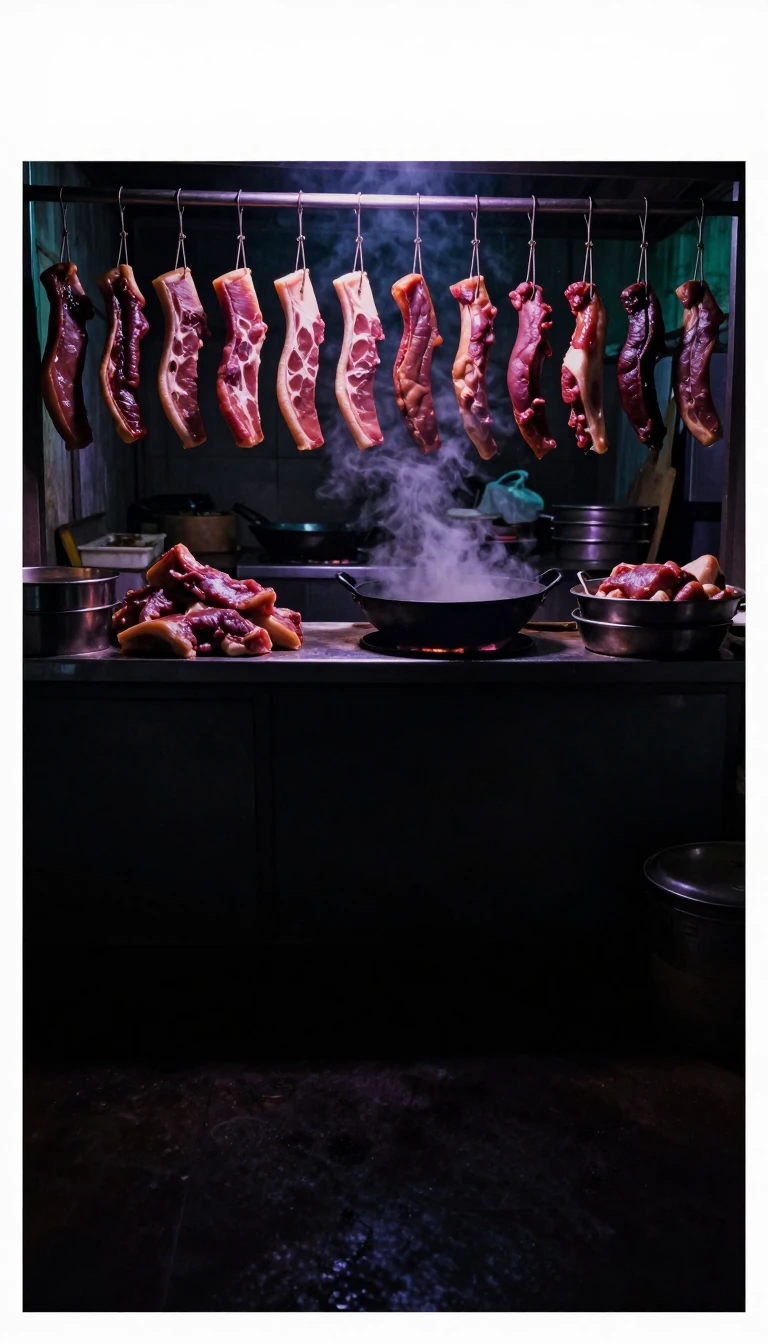
In short: The name chow mein simply means stir-fried noodles, yet the dish has been reshaped country after country. American crispy and steamed styles differ, Newfoundland cooks use cabbage in place of noodles, and some Australians serve a curry-spiced version over rice. Each variation tells a story about who cooked it and for whom.
The name is built from two Chinese words. Chow, written 炒, means stir-fried or sautéed, and mein, written 麵 or 面, means noodles or flour. Together they describe a simple idea: noodles fried with other ingredients. Early Chinese immigrants to the United States, who came mostly from Taishan and spoke Taishanese, influenced how the English word sounded. Written American usage began with an 1890 spelling and settled on its present form in 1903. In the United States there are two main styles. Crispy chow mein uses flat, fried noodles and is typically finished with a thick brown sauce. Steamed chow mein uses long, rounded noodles and is mixed with soy sauce. Regional habits differ too. On the East Coast the crispy kind is almost always meant, and the soft style is sold as a separate dish called lo mein. On the West Coast the steamed style is the usual one.
Mass production shaped much of the dish's American character. In 1946 the company Chun King began selling chow mein in cans. Its creator, Jeno Paulucci, the son of Italian immigrants, built the recipe around Italian spices suited to his customers, and he swapped costly water chestnuts for celery stalks to keep costs down. Food historians note that Chinese American restaurants far from large Asian communities often adapted their dishes to local tastes in much the same way. Outside Chinese restaurants the dish can drift further still. Many Australians associate the name with a stew of minced beef and curry powder served over rice, a version promoted in the country's media for decades.
The technique travels in other directions as well. In Newfoundland, a local version drops the noodles and uses cabbage cut to resemble them, a change whose cause is not known, though the island's remoteness is thought to have limited ingredient supplies. In Guyana and Suriname, cooks add local spices and often serve the dish with hot peppers. In Nepal, Tibetans who settled there during the 1960s introduced chow mein, and it became a popular fast food. The variety shows how one basic method of frying noodles with vegetables and meat can be adapted to almost any kitchen, pantry and palate.
Opens the Intellect+ feed with this card first. Swipe up for the next one.
Sources
- Summary by Intellect · source: Chow mein
- Also: Amerasia Journal — “Hold the Chow Mein, Gimme Soca”: Creolization of the Chinese in Guyana, Trinidad and Jamaica · CC0 (metadata)
- Also: International Proceedings of Chemical, Biological and Environmental Engineering (IPCBEE) — Chow Mein and Halva in Europe? Consumption Frequency of Different Cuisines in Europe · CC0 (metadata)
To cite this card, link to https://intellectplus.co.uk/app/culture-chow-mein.
How we source, check and correct cards: Editorial standards.
General information, not professional advice. Spotted an error? Flag the card or see corrections and complaints.
Intellect Plus is a visual educational discovery platform for exploring fascinating facts and ideas. Brain Food, Not Brain Rot. What is Intellect Plus?
Related
More in Cultures · Latest · A–Z · All topics
