The ancient trade routes that carried faith across the Red Sea
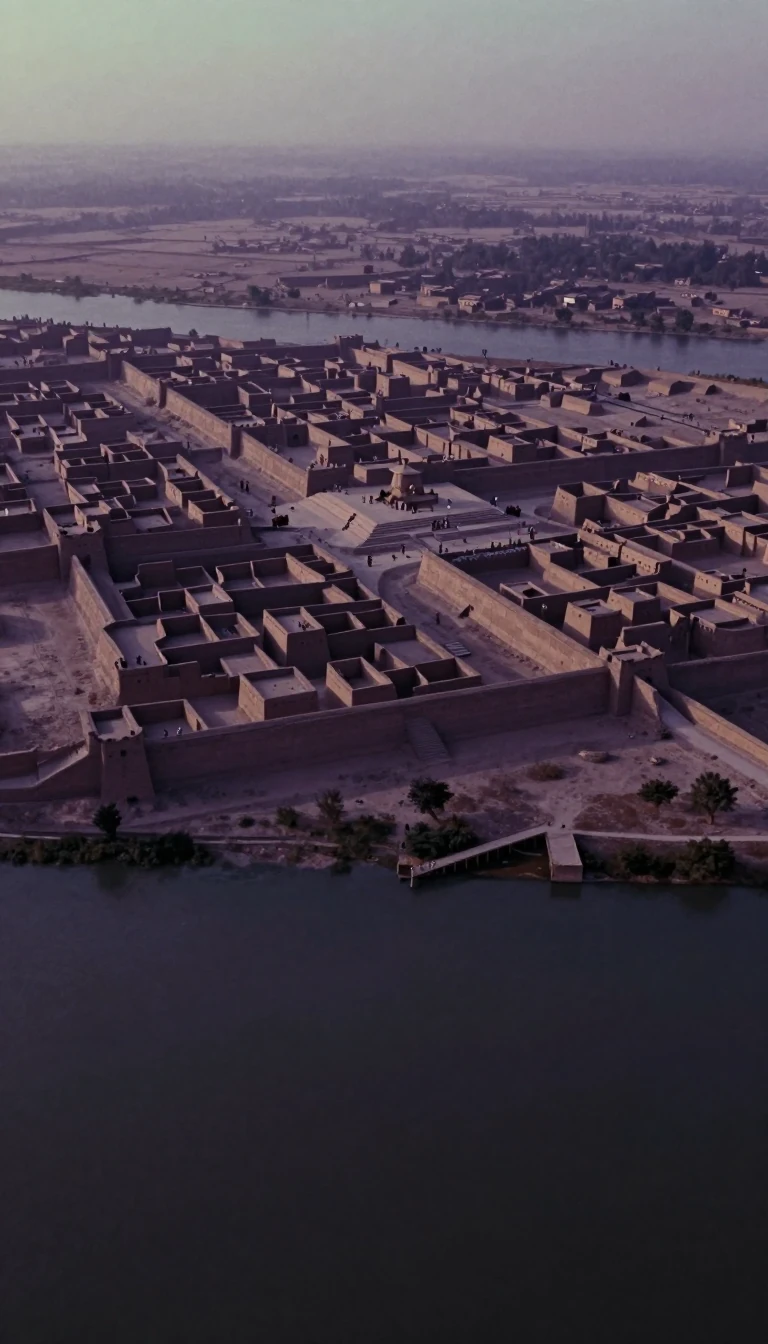
In short: For centuries, historians debated how Christianity reached the African highlands so early. New archaeological evidence suggests the religion didn't just arrive by missionary zeal; it hitched a ride on the world's most sophisticated ancient trade networks, moving alongside silver, wine, and glass beads.
In the highlands of northern Ethiopia, archaeologists recently unearthed a massive 60-foot-long basilica dating to the fourth century A.D. This find provides the earliest physical evidence of a Christian church in sub-Saharan Africa. The timing is significant: it aligns with the era when Roman Emperor Constantine I legalized Christianity (313 CE) and later converted to the faith himself. The discovery confirms that Christianity reached an area nearly 3,000 miles from Rome almost simultaneously with its expansion into Europe.
The mechanism of this spread was likely commercial rather than purely theological. The Aksumite Empire served as a vital "nexus point" connecting the Mediterranean, the Red Sea, and South Asia. Trade routes moved luxury goods like olive oil and wine from the Mediterranean to the Indian Ocean, while bringing back iron and glass beads. Archaeologists found stamp seals and tokens at the site, alongside glass beads from the eastern Mediterranean and pottery from Aqaba, Jordan, proving the settlement was a cosmopolitan hub of long-distance commerce.
The transition to Christianity was not a clean break from the past. Excavations at Beta Samati revealed a "mixing of pagan and early Christian traditions." Researchers found nearly 50 cattle figurines and a gold ring depicting a bull's head—symbols of pre-Christian beliefs—alongside a stone pendant carved with a cross and the Ge'ez word "venerable." This suggests that as the Aksumite kingdom adopted the new faith, it integrated existing cultural symbols into its new religious identity.
While tradition credits a Greek-speaking missionary named Frumentius with converting King Ezana in the fourth century, scholars remain skeptical of the historical reliability of that specific narrative. However, the physical evidence of the basilica confirms that by the 300s, a robust Christian presence was already established, fueled by the very same maritime and overland routes that made Aksum one of the ancient world's most influential civilizations.
Opens the Intellect+ feed with this card first. Swipe up for the next one.
Sources
- Summary by Intellect · source: Church Unearthed in Ethiopia Rewrites the History of Christianity in Africa
- Also: Christianity in Ethiopia
To cite this card, link to https://intellectplus.co.uk/app/culture-christianity-in-ethiopia.
How we source, check and correct cards: Editorial standards.
General information, not professional advice. Spotted an error? Flag the card or see corrections and complaints.
Intellect Plus is a visual educational discovery platform for exploring fascinating facts and ideas. Brain Food, Not Brain Rot. What is Intellect Plus?
Related
More in Clothing and fashion · More in Cultures · Latest · A–Z · All topics
