County Mayo: A landscape shaped by ancient farmers, pirate queens, and shifting empires
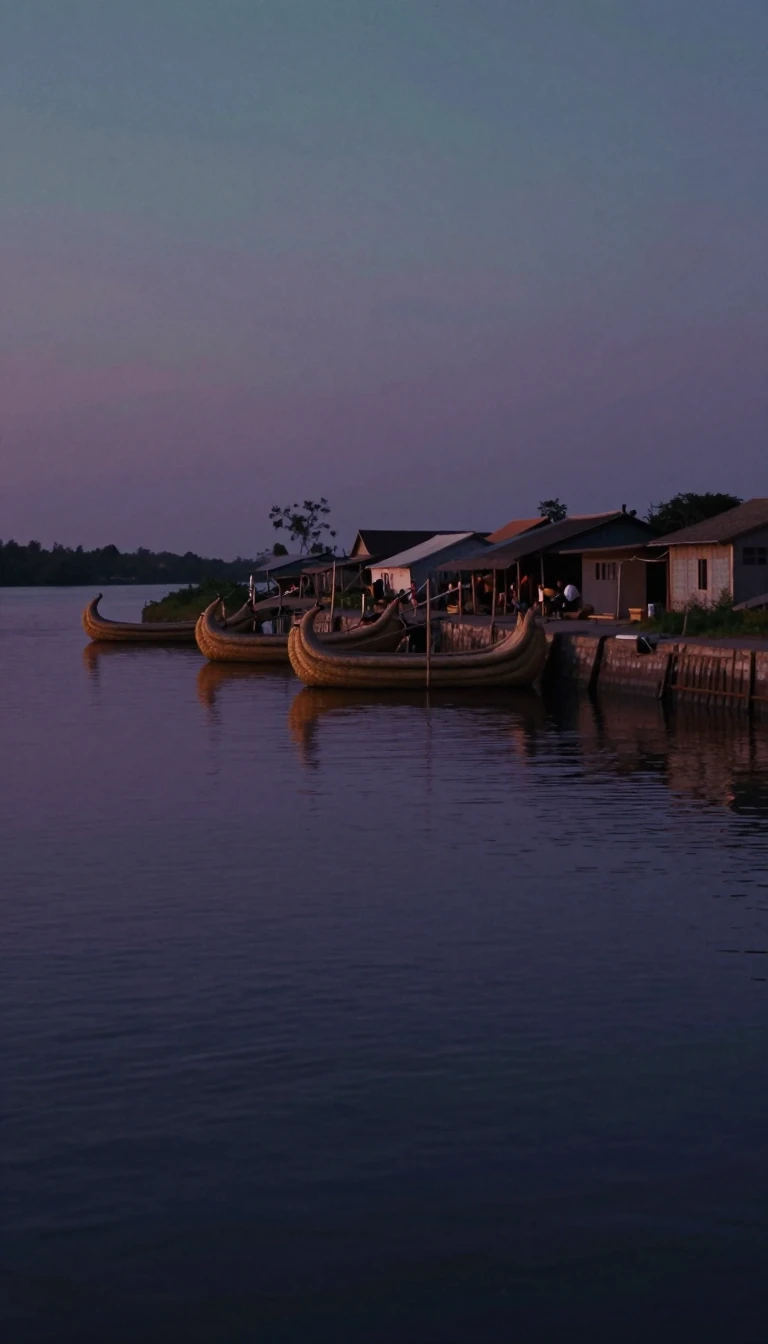
In short: Named for the plain of yew trees, County Mayo is a rugged expanse on Ireland's west coast. From Neolithic megalithic tombs to the legendary pirate queen Grace O'Malley, its history is etched into the Atlantic blanket bogs and limestone landscapes, revealing a story of survival, assimilation, and ancient tribal power.
County Mayo, formed in 1585, occupies a distinct geological divide. Its eastern limestone plains offer productive agricultural land, while the west is dominated by Atlantic blanket bog and dramatic cliffs, including the highest in Ireland at Croaghaun. This terrain has supported human life since at least 4500 BC, when Mesolithic hunter-gatherers left traces of their hearths in coastal middens. By the Neolithic period, around 6,000 years ago, early farmers began clearing forests and constructing elaborate megalithic tombs, over 160 of which remain today.
The region's cultural identity was further forged during the Iron Age, a time of tribal warfare and kingships, and later through the arrival of Christianity in the 5th century. Monastic settlements flourished, though they later became targets for Viking raids beginning in 795. The Anglo-Norman invasion of 1235 introduced new families like the Burkes, who eventually assimilated so deeply into Gaelic society that they became 'more Irish than the Irish themselves.' This period saw the rise of powerful clans and the building of grand religious foundations, many of which were suppressed during the 16th-century Reformation.
Mayo’s history is also defined by its resilience during periods of intense upheaval. In the 17th century, the 1641 Rebellion and the subsequent Cromwellian policies of land displacement caused significant population loss. Despite these pressures, the county maintained its unique character, marked by figures like Grace O'Malley, who navigated the complex political landscape of the 16th century. Today, the county remains a site of immense archaeological and natural significance, from the pre-bog field systems at Céide Fields to the renewable energy potential of its wild Atlantic coastline.
Opens the Intellect+ feed with this card first. Swipe up for the next one.
Sources
- Summary by Intellect · source: County Mayo
To cite this card, link to https://intellectplus.co.uk/app/culture-county-mayo.
How we source, check and correct cards: Editorial standards.
General information, not professional advice. Spotted an error? Flag the card or see corrections and complaints.
Intellect Plus is a visual educational discovery platform for exploring fascinating facts and ideas. Brain Food, Not Brain Rot. What is Intellect Plus?
Related
More in Festivals & celebrations · More in Cultures · Latest · A–Z · All topics
