Why did Spanish explorers label this Caribbean island the useless island for centuries?
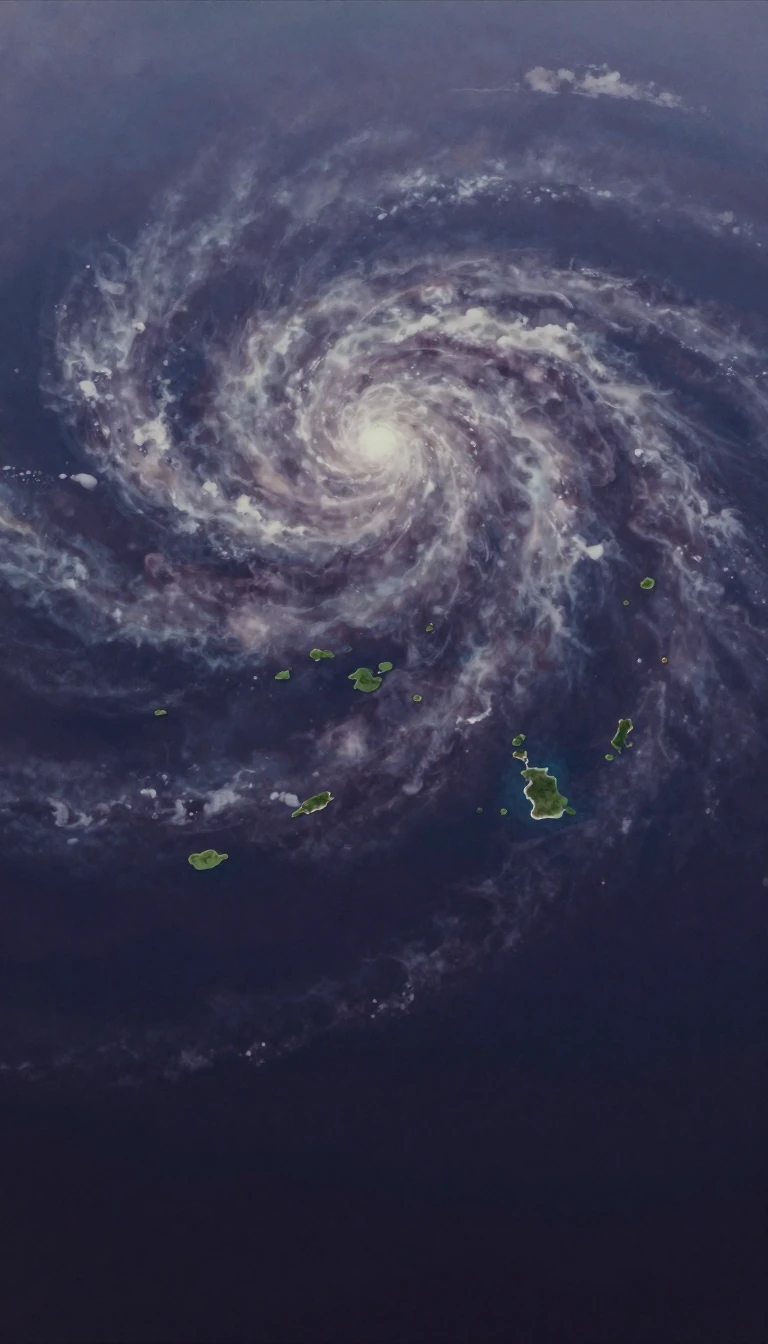
In short: Curaçao was once dismissed by Spanish colonizers as a barren, worthless territory due to its lack of precious metals and poor agricultural yields. Yet, this supposedly useless island eventually became a vital global hub for trade, shipping, and oil refining, fundamentally reshaping the economic landscape of the southern Caribbean Sea.
When Spanish explorers first reached Curaçao in 1499, they encountered an island inhabited by the Arawak and Caquetío people. Despite the island's strategic location, the Spanish found little value in its salt mines or its dry, challenging terrain. Because the land could not support the intensive agriculture they desired and lacked the gold they sought, they infamously dubbed it the useless island. For much of the 16th century, the island functioned primarily as a cattle ranching extension of Venezuela, with the Spanish population eventually dwindling while the indigenous Caquetío presence remained stable.
The island's trajectory shifted dramatically in 1634 when the Dutch West India Company invaded, recognizing the immense potential of the Schottegat harbour. Under Dutch rule, Willemstad became a thriving center for commerce, piracy, and eventually, the Atlantic slave trade. The arrival of Sephardic Jews fleeing persecution in the 17th century further bolstered the island's banking and shipping sectors. By the end of the 18th century, these settlers were central to the island's economic life, helping Curaçao evolve into a free port that connected diverse global markets.
The 20th century brought another transformation with the 1914 discovery of oil in Venezuela. Curaçao became a critical site for massive refineries, which provided fuel for Allied forces during the Second World War and sustained the local economy for decades. While the island achieved autonomy within the Kingdom of the Netherlands in 2010, its history remains a complex tapestry of colonial shifts, economic booms, and the enduring influence of its indigenous roots. Today, it stands as a testament to how a territory once deemed useless can become a crossroads of global history.
The island's name itself remains a subject of intrigue. While some theories suggest it derives from the autonym used by the indigenous population, others point to a more medicinal origin. Portuguese and Spanish sailors allegedly called it the island of healing after observing that those suffering from scurvy recovered after consuming the island's vitamin C-rich fruit. This blend of myth and history defines the island's unique identity.
Opens the Intellect+ feed with this card first. Swipe up for the next one.
Sources
- Summary by Intellect · source: Curaçao
- Also: www.britannica.com — Curacao | Flag, Map, Anthem, Caribbean, Caquetío, Netherlands Antilles, Politics, Economy, & History | Britannica
To cite this card, link to https://intellectplus.co.uk/app/culture-cura-ao.
How we source, check and correct cards: Editorial standards.
General information, not professional advice. Spotted an error? Flag the card or see corrections and complaints.
Intellect Plus is a visual educational discovery platform for exploring fascinating facts and ideas. Brain Food, Not Brain Rot. What is Intellect Plus?
Related
More in Festivals & celebrations · More in Cultures · Latest · A–Z · All topics
