How a drop in pollution may have fueled the super cyclone Amphan
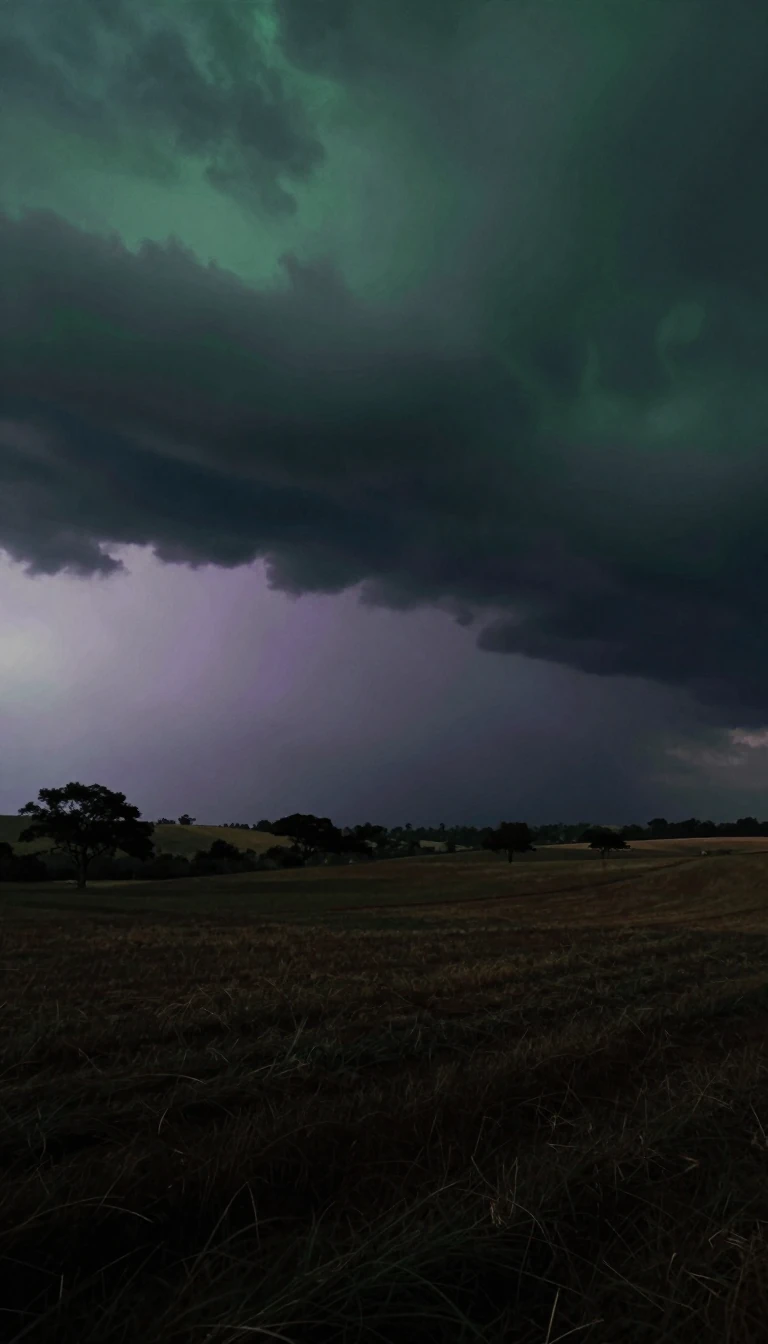
In short: In May 2020, the Bay of Bengal birthed a super cyclone that collided with a global pandemic. While the storm devastated coastal India and Bangladesh, researchers suggest that a significant reduction in aerosol pollution during the preceding months may have inadvertently created the perfect conditions for its explosive development.
Super Cyclone Amphan, which struck on 20 May 2020, was the first storm of its intensity in the Bay of Bengal since the 1999 Odisha cyclone. With wind speeds exceeding 200 km/h, the storm caused massive destruction, damaging roughly 1 million houses and resulting in costs estimated at approximately 1 lakh crore INR, or 13.46 billion USD. The cyclone's path heavily impacted agricultural land and forests, though the Sundarbans mangrove region acted as a critical buffer, substantially reducing the storm's magnitude before it reached further inland.
The genesis of Amphan was linked to the unique environmental conditions of the Bay of Bengal, which is prone to cyclogenesis due to its shallow depth and warm surface temperatures often exceeding 28 °C. Scientists observed a notable decrease of about 30% in aerosol optical depth (AOD) during April and May 2020 compared to the previous year. This reduction in atmospheric particles is considered a primary driver for the development of a warm pool in the ocean, providing the thermal energy necessary for the cyclone to intensify rapidly.
The disaster unfolded during the height of the COVID-19 pandemic, creating a complex crisis for local authorities. Evacuation efforts were hampered by the need for physical distancing, and the post-cyclonic period saw a roughly 70% increase in COVID-19 cases by 29 May 2020. Furthermore, the storm's aftermath—which included widespread power outages and saltwater intrusion—weakened the immune systems of affected populations, leaving them more susceptible to respiratory symptoms that mimicked the virus, further complicating the public health response in India and Bangladesh.
Opens the Intellect+ feed with this card first. Swipe up for the next one.
Sources
- Summary by Intellect · source: Influence of Super Cyclone “Amphan” in the Indian Subcontinent amid COVID-19 Pandemic
- Also: Cyclone Amphan
To cite this card, link to https://intellectplus.co.uk/app/culture-cyclone-amphan.
How we source, check and correct cards: Editorial standards.
General information, not professional advice. Spotted an error? Flag the card or see corrections and complaints.
Intellect Plus is a visual educational discovery platform for exploring fascinating facts and ideas. Brain Food, Not Brain Rot. What is Intellect Plus?
Related
More in Festivals & celebrations · More in Cultures · Latest · A–Z · All topics
