The 'Champagne of Teas' relies on insects for its signature flavor
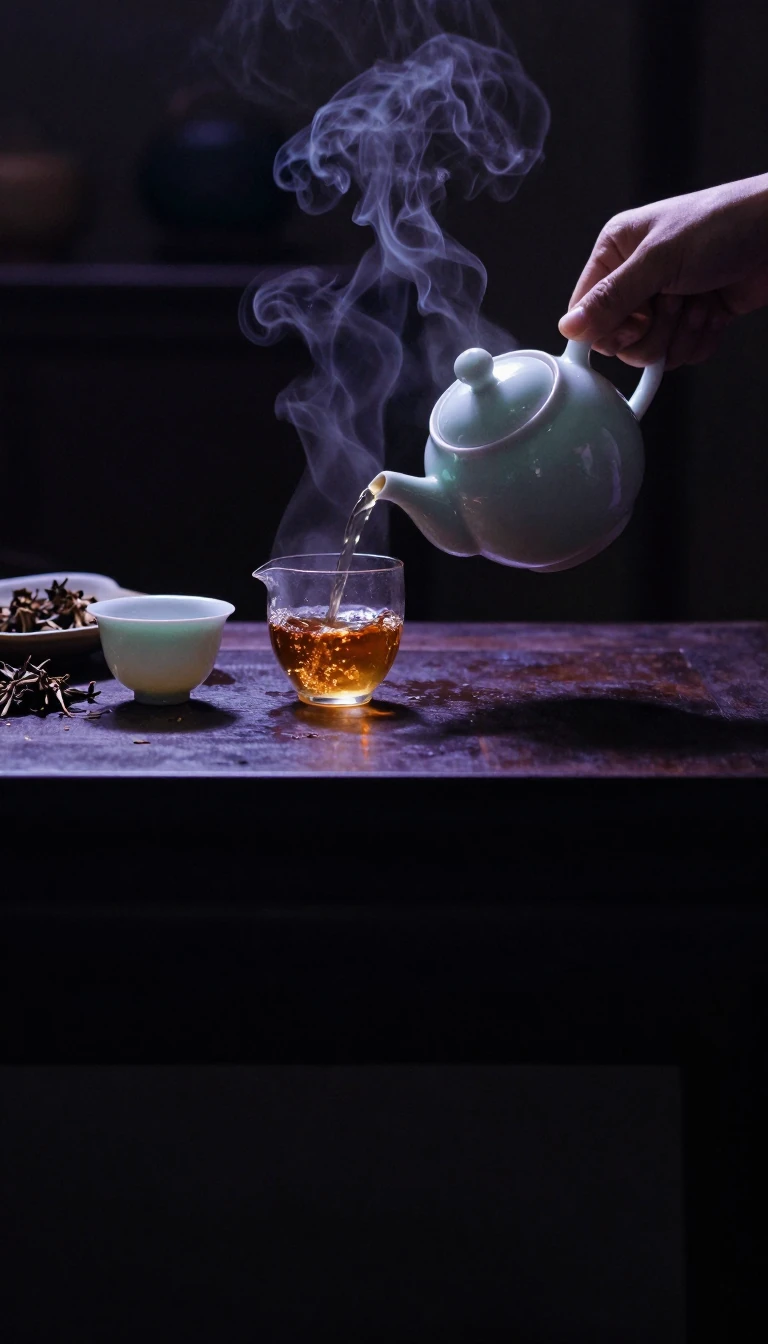
In short: To achieve the coveted muscatel aroma of Darjeeling tea, farmers actually wait for pests to attack their crops. This delicate balance between botanical science and deliberate intervention creates a unique terroir that has protected the region's status as a global luxury standard since the 1800s.
Darjeeling tea is defined by its specific geography in the Eastern Himalayas, where high elevations (600 to 2,000 meters) create a unique climate of cool air, persistent fog, and acidic loamy soils. This environment favors the Camellia sinensis var. sinensis variety over others. The British first introduced these plants in the mid-1800s—specifically in 1841 by Archibald Campbell—seeking an alternative to Chinese tea. Because the region's steep slopes favored this specific variety, it became the foundation for a luxury product that eventually earned protected geographical status in both the EU and the WTO.
The most distinctive characteristic of Darjeeling tea is its seasonal variation, divided into four 'flushes.' While the first flush offers a light floral profile, the second flush (harvested in May and June) is prized for its full-bodied muscatel flavor. This specific taste is not entirely natural; it is triggered when leafhoppers and moths attack the plants. The tea leaves release defensive chemicals in response to these pests, which naturally initiate an oxidation process that creates the complex aromatic compounds sought by connoisseurs.
The industry has faced significant shifts in production philosophy. In the mid-20th century, heavy use of pesticides and fertilizers boosted yields to 10 million kilograms by 1960 but caused severe soil instability on the steep hillsides. By the 1990s, a shift toward biodynamic and organic farming began to prioritize quality over quantity. While these sustainable practices saw yields drop from a peak of 14 million kilograms in 1994 to about 9 million kilograms in the late 2010s, they were essential for preserving the land's integrity and maintaining the tea's premium reputation.
Today, Darjeeling represents a tiny fraction of India's total output—roughly 0.5% of the national production as of 2021. Its survival as a luxury good depends on strict regulations that prohibit blending with other teas, ensuring that every cup maintains its specific regional identity and historical pedigree.
Opens the Intellect+ feed with this card first. Swipe up for the next one.
Sources
- Summary by Intellect · source: Darjeeling tea
To cite this card, link to https://intellectplus.co.uk/app/culture-darjeeling-tea.
How we source, check and correct cards: Editorial standards.
General information, not professional advice. Spotted an error? Flag the card or see corrections and complaints.
Intellect Plus is a visual educational discovery platform for exploring fascinating facts and ideas. Brain Food, Not Brain Rot. What is Intellect Plus?
Related
More in Traditions & customs · More in Cultures · Latest · A–Z · All topics
