Dress codes are not just about clothes, but social signaling.
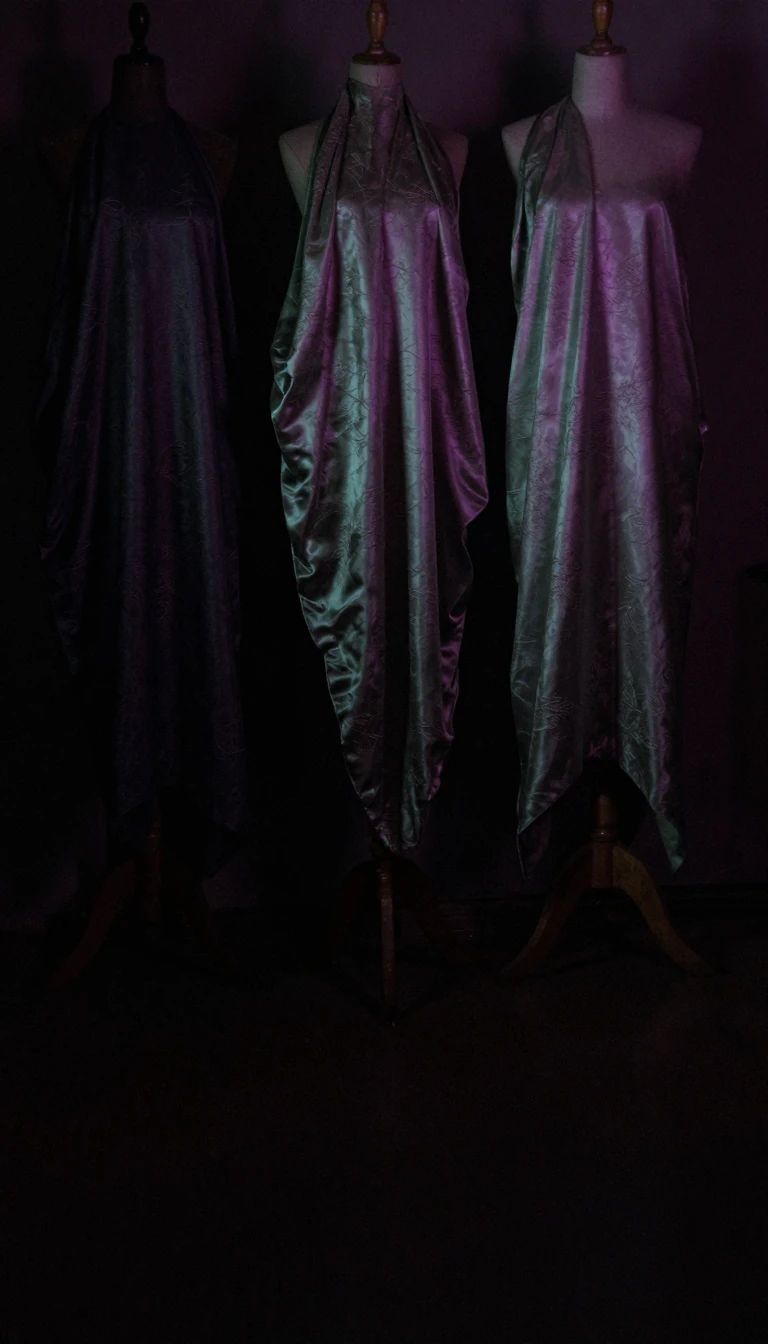
In short: From medieval tunics to Silicon Valley hoodies, dress codes serve as a visual shorthand for power, identity, and belonging. They allow us to decode an individual's status or intent instantly, turning fabric into a complex system of social permission and exclusion.
Historically, dress codes functioned as rigid tools for class stratification. Between the 7th and 9th centuries in Europe, royalty used ornamented garments—adorned with gold chains, ivory bracelets, and jeweled belts—to distinguish themselves from peasants who wore plain tunics. This established a visual hierarchy where length and embellishment signaled one's place in the social order. Similarly, indigenous groups like the Nuu-chah-nulth of the Pacific Northwest Coast used dress codes to denote status among slaves, commoners, and nobles, even requiring outsiders to conform to these customs as a mark of inclusion.
In the modern era, these signals have shifted toward organizational culture and personal identity. The 1980s saw Silicon Valley pioneer 'business casual' to prioritize efficiency over traditional propriety, eventually evolving into the tech industry's current norm of casual wear. Conversely, religious codes like those in Sikhism or Islam provide frameworks for modesty and faith, such as the mandatory turban for Khalsa members or specific veiling practices that vary significantly by country—ranging from strict requirements in Afghanistan to more relaxed public standards in Dubai.
The legal landscape surrounding these rules is increasingly complex. While many Western countries lack general public dress laws, private entities often enforce rigorous standards. This has led to significant litigation regarding gender and expression. For instance, the 1993 Doe v. Boeing case upheld a company's right to define 'female identity' in the workplace, while other cases have explored whether requiring makeup for women but banning it for men constitutes sex stereotyping. These conflicts highlight how dress codes remain a primary battleground for autonomy and social perception.
Opens the Intellect+ feed with this card first. Swipe up for the next one.
Sources
- Summary by Intellect · source: Dress code
To cite this card, link to https://intellectplus.co.uk/app/culture-dress-code.
How we source, check and correct cards: Editorial standards.
General information, not professional advice. Spotted an error? Flag the card or see corrections and complaints.
Intellect Plus is a visual educational discovery platform for exploring fascinating facts and ideas. Brain Food, Not Brain Rot. What is Intellect Plus?
Related
More in Clothing and fashion · More in Cultures · Latest · A–Z · All topics
