The surprising history of how casual clothes became formal standards
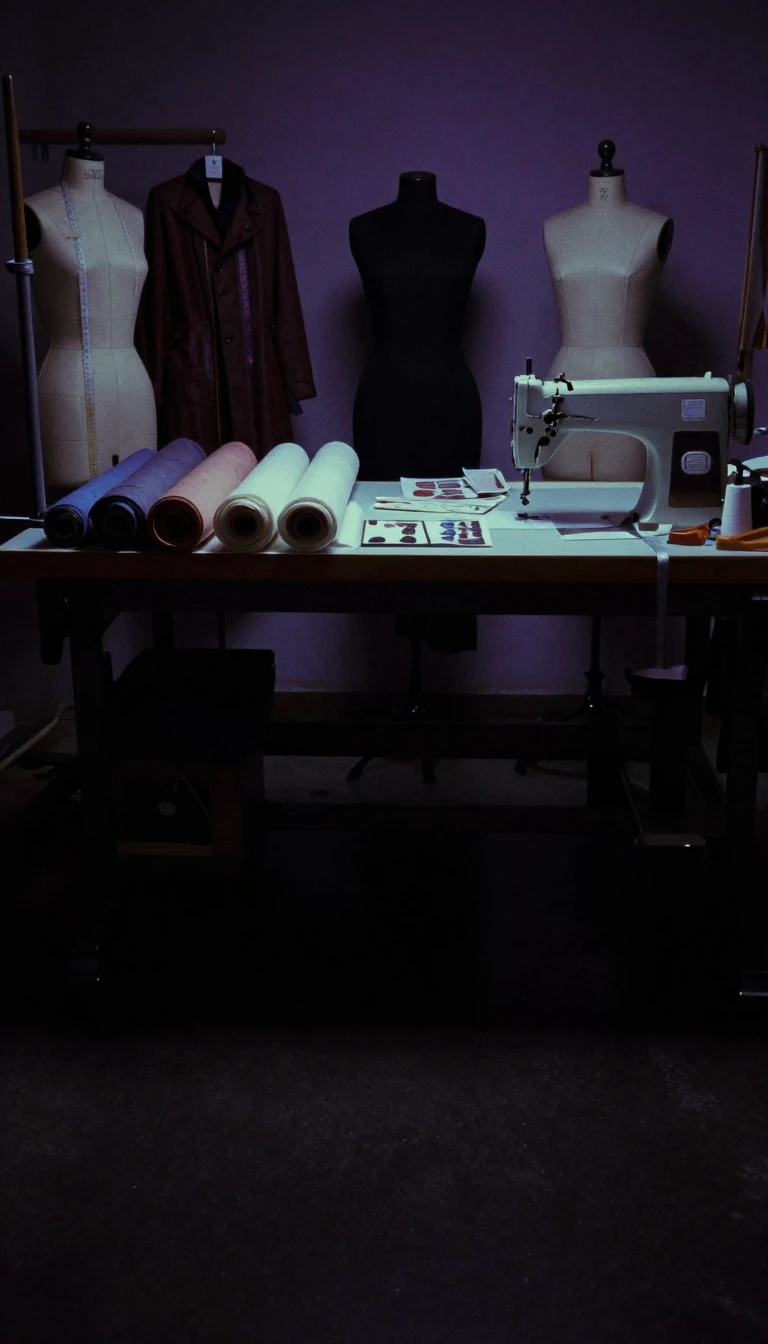
In short: Today, we view the lounge suit as the pinnacle of business professionalism. Yet, in the 19th century, this very garment was considered casual wear. The evolution of Western dress codes is not a story of increasing complexity, but a continuous cycle of replacing old formal wear with new, less formal alternatives.
The architecture of modern Western dress codes, established in the 19th century and fixed during the 20th, relies on a process of replacement. As older, highly structured garments disappeared, they were succeeded by items that were originally intended to be less formal. For example, the justacorps, which was widely worn from the 1660s until the 1790s, eventually gave way to the 18th-century frock, which was then replaced by the frock coat.
This pattern of shifting formality created a hierarchy of labels. The 'lounge suit,' now the standard for business meetings and everyday wear, was originally categorized as casual clothing. Similarly, what we now call 'black tie'—often used for opera festivals and charity balls—began its life as informal dinner clothes. Even 'morning dress' occupies a complex space; when it transitioned from the frock coat to the modern morning tailcoat, it was actually viewed as a less formal option.
The classification system has historically been divided into distinct tiers: full dress, half dress, and undress. During the Victorian and Edwardian eras, 'full dress' represented the highest level of formality, such as the evening dress coat (white tie). 'Undress' was a much broader, looser term that could range from a simple dressing gown to a lounge suit. While men's codes have followed these structured replacements, women's interpretations of these codes have fluctuated more dynamically alongside changing fashions.
Today, these codes govern a wide spectrum of life, from state banquets and royal balls to business-casual settings. While many of these traditions originated in Western Europe and the United States, they have been adopted globally, though they are often recontextualized in non-Western cultures.
Opens the Intellect+ feed with this card first. Swipe up for the next one.
Sources
- Summary by Intellect · source: Western dress codes
To cite this card, link to https://intellectplus.co.uk/app/culture-western-dress-codes.
How we source, check and correct cards: Editorial standards.
General information, not professional advice. Spotted an error? Flag the card or see corrections and complaints.
Intellect Plus is a visual educational discovery platform for exploring fascinating facts and ideas. Brain Food, Not Brain Rot. What is Intellect Plus?
Related
More in Clothing and fashion · More in Cultures · Latest · A–Z · All topics
