Drogheda: A Medieval Border Town Shaped by Norman Conquest and Parliamentary Power
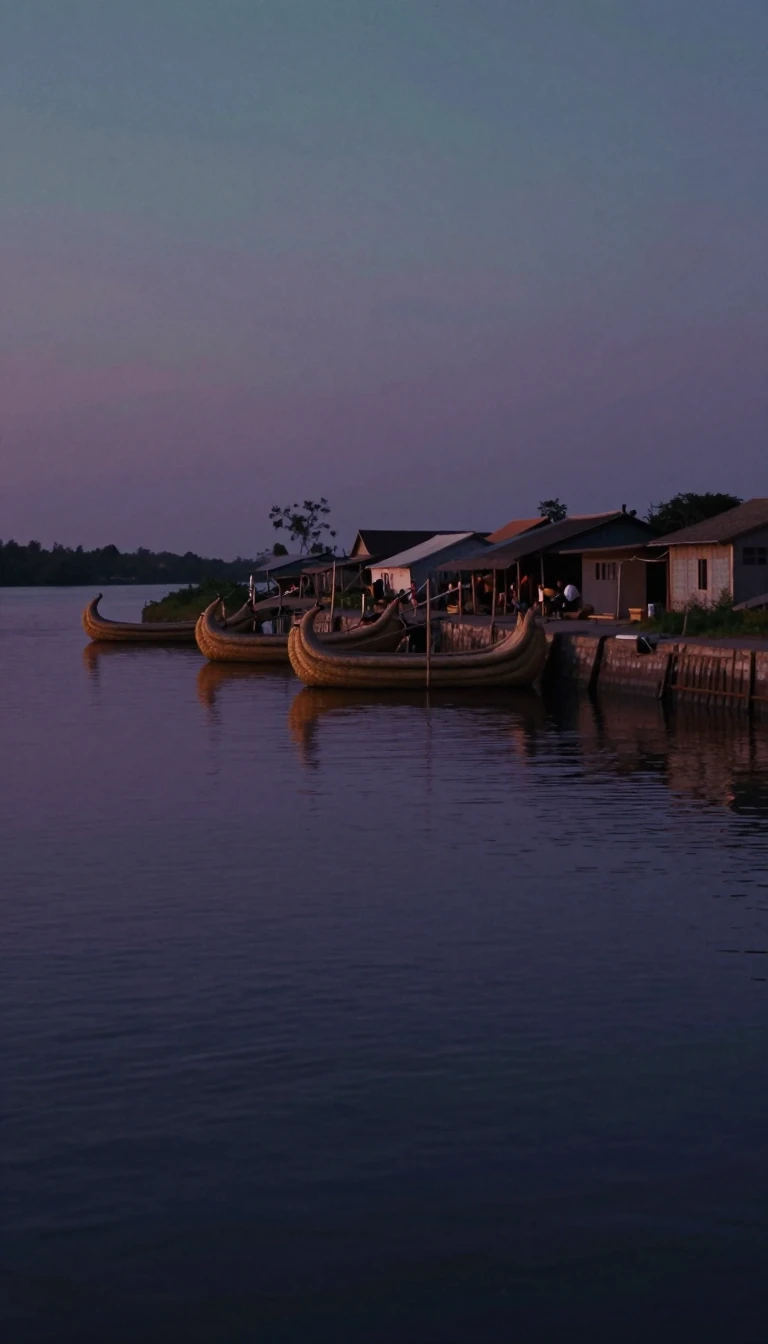
In short: Straddling the River Boyne, Drogheda began as two separate Norman-founded towns before uniting in 1412. Once a vital parliamentary hub and a site of brutal sieges, this Irish port town now balances a rich, ancient heritage with modern industrial shifts and a unique, centuries-old connection to the Ottoman Empire.
Drogheda, whose name translates from Irish as 'bridge at the ford,' occupies a strategic position on the River Boyne. Historically, the river served as a boundary between two distinct kingdoms and Norman interests, leading to the town's origins as two separately administered entities. These were formally united by charter in 1412, eventually becoming a county corporate. The town's medieval significance was profound; it frequently hosted the Irish Parliament, including the 1494 session that passed Poynings' Law, which subordinated Irish legislative power to the English Council.
The town's history is marked by conflict and resilience. In 1649, Oliver Cromwell captured the town, leading to a notorious massacre of Royalist defenders. Centuries later, in 1979, Pope John Paul II visited to appeal for peace during a period of intense violence in Ireland. Beyond politics, Drogheda maintains curious cultural ties. Its coat of arms features a star and crescent, which Irish president Mary McAleese noted in 2010 was added as a gesture of gratitude toward Ottoman Sultan Abdülmecid I, who sent food supplies during the Great Famine.
Today, Drogheda is the largest town in the Republic of Ireland, with a 2022 population of 44,135. While it remains a significant port and industrial center, the town has faced challenges with urban decline in its historic core. Efforts toward regeneration, such as the 2018 'Westgate Vision' guide, aim to revitalize the area. Meanwhile, the town continues to celebrate its identity through festivals like the Fleadh Cheoil na hÉireann and the preservation of the severed head of Saint Oliver Plunkett, displayed in St. Peter's Church since 1921.
Opens the Intellect+ feed with this card first. Swipe up for the next one.
Sources
- Summary by Intellect · source: Drogheda
- Also: Drogheda | Ireland, Map, History, & Facts | Britannica
To cite this card, link to https://intellectplus.co.uk/app/culture-drogheda.
How we source, check and correct cards: Editorial standards.
General information, not professional advice. Spotted an error? Flag the card or see corrections and complaints.
Intellect Plus is a visual educational discovery platform for exploring fascinating facts and ideas. Brain Food, Not Brain Rot. What is Intellect Plus?
Related
More in Languages · More in Cultures · Latest · A–Z · All topics
