The medieval dukes of Aquitaine commanded a territory that shaped the fate of nations.
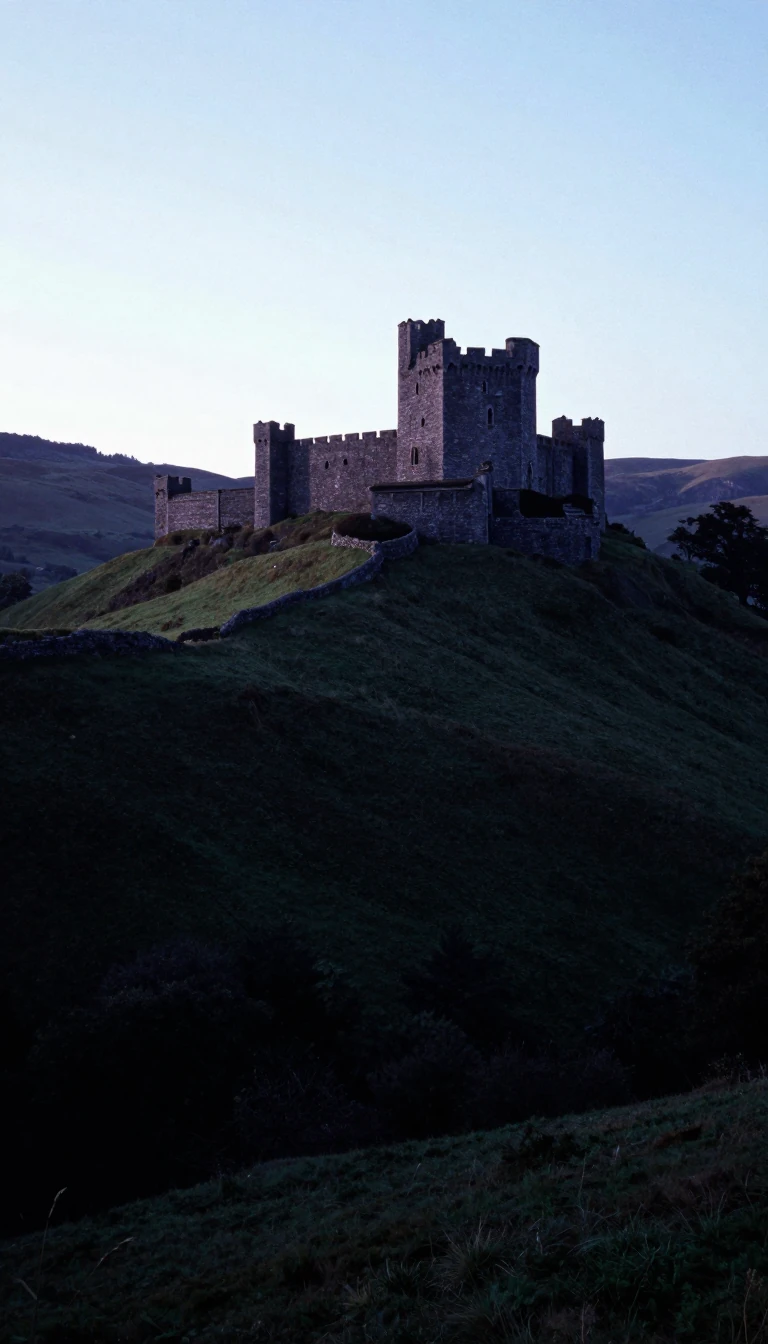
In short: For centuries, the duchy of Aquitaine was a powerhouse of medieval Europe, stretching from the Loire to the Pyrenees. Ruled by the formidable house of Poitiers, it became a pivotal prize that linked the crowns of France and England, eventually sparking the long-running conflict known as the Hundred Years' War.
The title of duke of Aquitaine emerged from the political upheavals following the 9th-century Norman devastations. While various figures claimed the mantle, it was secured by the counts of Poitiers, who sought to restore the region's former significance by expanding their reach into Gascony and Toulouse. By the 12th century, the duchy was a vast, wealthy territory, characterized by its rural character, agricultural specialization in grapes and grains, and its strategic importance as a cultural and economic hub.
The trajectory of the duchy shifted dramatically in 1137 upon the death of William X, the last duke of the house of Poitiers. His daughter, Eleanor of Aquitaine, inherited the vast lands, uniting them with the French crown through her marriage to Louis VII. However, the union was short-lived. Following their divorce, Eleanor married Henry Plantagenet in 1152, who soon ascended as Henry II of England. This marriage effectively transferred the duchy to the English crown, setting the stage for centuries of tension.
Under the English kings, Aquitaine remained a contested territory, often requiring the monarchs to suppress rebellious vassals. Richard the Lion-Heart, son of Henry II, spent much of his life in the region managing these internal conflicts. The geopolitical friction between the French and English over the sovereignty of Aquitaine eventually escalated into the Hundred Years' War in 1337, when Philip VI of France reclaimed the fief from Edward III of England. This struggle redefined the borders and political identity of the region for generations to come.
Beyond its political volatility, Aquitaine maintained a distinct identity rooted in its geography and history. From the prehistoric drawings in the caves of Lascaux to the medieval châteaus dotting the Dordogne, the region served as a cradle of human habitation. Even as administrative structures evolved—culminating in the 2016 formation of the modern Nouvelle-Aquitaine—the legacy of the medieval dukes remains etched into the landscape, reflecting a time when the duchy was a central player in the power dynamics of Western Europe.
Opens the Intellect+ feed with this card first. Swipe up for the next one.
Sources
- Summary by Intellect · source: William X | Duke of Aquitaine, Poitou & Gascony | Britannica
- Also: Duke of Aquitaine
To cite this card, link to https://intellectplus.co.uk/app/culture-duke-of-aquitaine.
How we source, check and correct cards: Editorial standards.
General information, not professional advice. Spotted an error? Flag the card or see corrections and complaints.
Intellect Plus is a visual educational discovery platform for exploring fascinating facts and ideas. Brain Food, Not Brain Rot. What is Intellect Plus?
Related
More in UK & Irish culture · More in Cultures · Latest · A–Z · All topics
