The East Coast is a diverse powerhouse of global finance, politics, and unique climates.
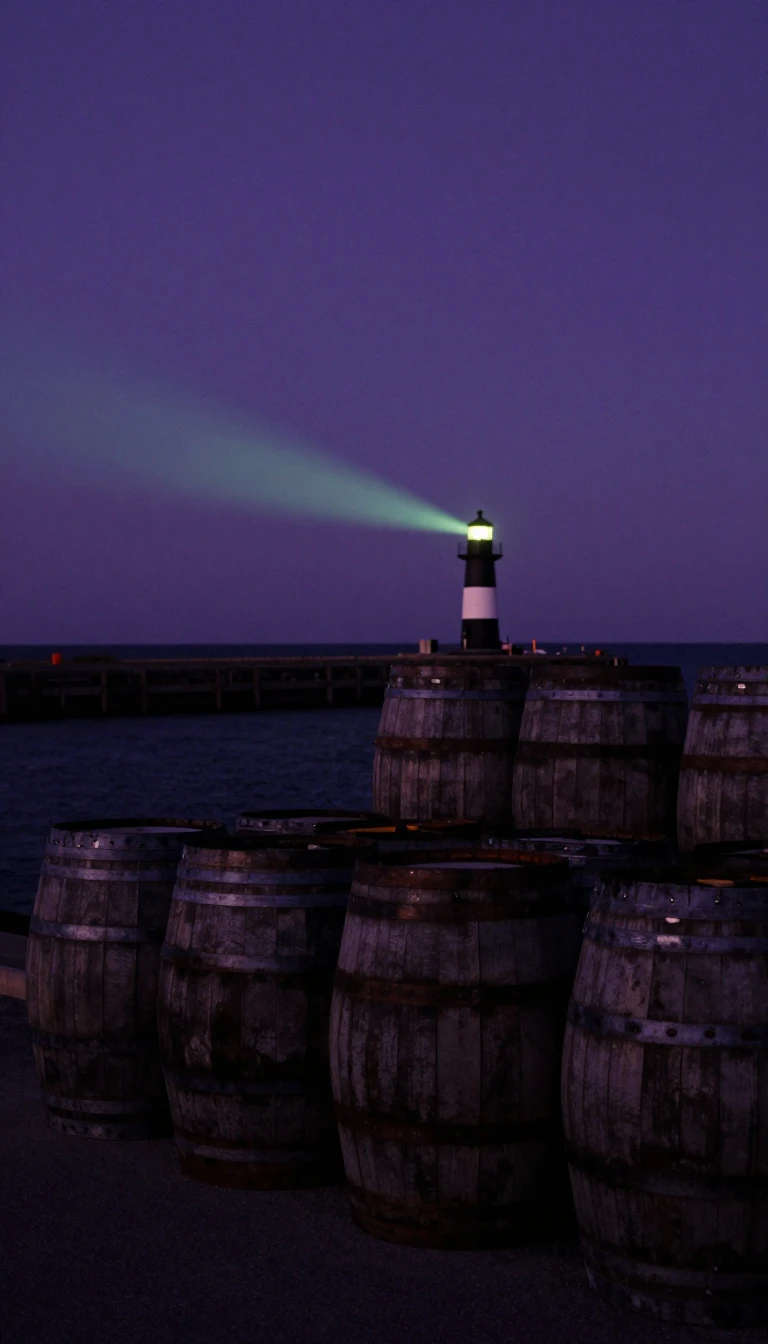
In short: Spanning from the snowy reaches of Maine to the tropical reefs of Florida, the East Coast is more than just a shoreline. It is a dense, interconnected corridor of power, housing the nation's political nerve center, its largest financial hubs, and a cultural mosaic shaped by centuries of migration.
The East Coast, or Atlantic Seaboard, encompasses the states bordering the Atlantic Ocean, along with Pennsylvania, Vermont, West Virginia, and Washington, D.C. This region holds roughly 36% of the total U.S. population. Its geography is defined by a low-relief, passive margin, shaped by ancient glaciation in the north and characterized by barrier islands and sandy beaches from Long Island down to Florida. The landscape is further marked by the Atlantic Seaboard fall line, which separates the coastal plain from the Piedmont region and historically dictated the locations of major cities.
Climate across this vast stretch is remarkably varied. The north experiences cold-winter continental conditions with frequent snow, while the Mid-Atlantic enjoys a warm temperate climate. Further south, the region transitions into humid subtropical zones, eventually reaching the only tropical climate in the continental United States in southern Florida. This environmental diversity is matched by a complex history; the region contains the original Thirteen Colonies, though it also includes areas like Florida, which was held by Spain and Britain, and the short-lived Vermont Republic.
Economically and politically, the East Coast is a global heavyweight. New York City serves as a premier financial center, hosting 71 Fortune 500 companies and the world's largest central business district in Midtown Manhattan. Meanwhile, Washington, D.C. functions as the nation's political nerve center, drawing defense contractors, lobbyists, and trade groups. The region's connectivity is maintained by infrastructure like the Interstate 95 and the Intracoastal Waterway, while its cultural fabric remains uniquely diverse, reflecting influences from Latin America, the Caribbean, and Europe, alongside historic local traditions like the Gullah culture of the coastal islands.
Beyond its urban centers, the coast is a major hub for tourism and trade. Miami, for instance, stands as a critical international banking center and the world's busiest cruise port, handling over 5.5 million passengers annually. Despite the risks posed by Atlantic hurricanes, the region remains the most populated coastal area in the United States, serving as a primary gateway for immigration and a central pillar of American socioeconomic development.
Opens the Intellect+ feed with this card first. Swipe up for the next one.
Sources
- Summary by Intellect · source: East Coast of the United States
To cite this card, link to https://intellectplus.co.uk/app/culture-east-coast-of-the-united-states.
How we source, check and correct cards: Editorial standards.
General information, not professional advice. Spotted an error? Flag the card or see corrections and complaints.
Intellect Plus is a visual educational discovery platform for exploring fascinating facts and ideas. Brain Food, Not Brain Rot. What is Intellect Plus?
Related
More in US culture · More in Cultures · Latest · A–Z · All topics
