Why Frank Lloyd Wright built a Mayan-inspired temple on a Los Angeles hillside
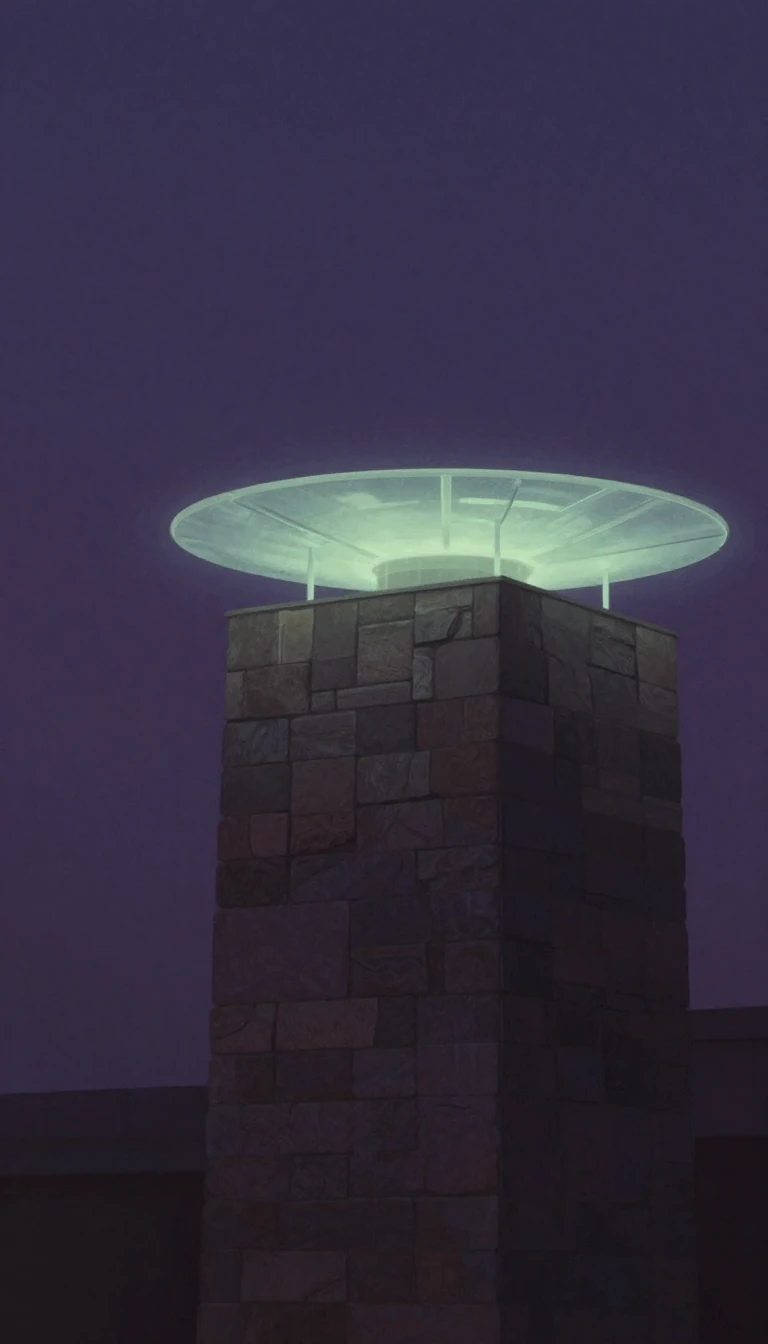
In short: Completed in 1925, the Ennis House is a monumental experiment in concrete. Frank Lloyd Wright used thousands of patterned textile blocks to create a structure that feels both ancient and modern. While intended to be a democratic architectural ideal, the house became a complex, high-maintenance icon of Los Angeles history.
The Ennis House, situated in the Los Feliz neighborhood, represents a pivotal moment in Frank Lloyd Wright's career as he moved away from his earlier Prairie-style designs. Commissioned by Charles and Mabel Ennis, the residence is the largest of four textile-block houses Wright built in the region during the 1920s. Its design draws heavily from Mayan motifs, specifically the Puuc architecture of Uxmal, reflecting Wright's desire to create an architecture indigenous to the Americas. The structure is composed of at least 24,000 concrete blocks, each cast from local materials including degraded granite, sand, and gravel.
Construction was an ambitious and fraught process. Wright's son, Lloyd Wright, supervised the site, but the project faced significant delays and disagreements between the architect and his clients. The Ennises requested modifications that diverged from Wright's original vision, such as the inclusion of marble floors and chandeliers, which Wright reportedly viewed with disdain. Despite Wright's belief that the steel-reinforced concrete blocks would provide seismic protection, the house proved vulnerable to earthquakes and environmental decay. The blocks were prone to absorbing moisture, leading to structural issues that required extensive restoration efforts over the decades.
The house has had a storied existence, passing through several private owners before being donated to the Trust for Preservation of Cultural Heritage in 1980. It gained further fame as a filming location, most notably in Blade Runner. In 2019, the property was sold to Robert Rosenheck and Cindy Capobianco for $18 million, marking the most substantial sum ever exchanged for a residence designed by Wright. Today, the Ennis House remains a testament to Wright's experimental spirit and his complex relationship with the clients who funded his most unconventional visions.
Opens the Intellect+ feed with this card first. Swipe up for the next one.
Sources
- Summary by Intellect · source: Ennis House
To cite this card, link to https://intellectplus.co.uk/app/culture-ennis-house.
How we source, check and correct cards: Editorial standards.
General information, not professional advice. Spotted an error? Flag the card or see corrections and complaints.
Intellect Plus is a visual educational discovery platform for exploring fascinating facts and ideas. Brain Food, Not Brain Rot. What is Intellect Plus?
Related
More in Ethnology and anthropology · More in Cultures · Latest · A–Z · All topics
