 Intellect Plus
Ethnology and anthropology
78 cards. Each one is a 40-second story with a five-minute read behind it.
 How visual storytelling uncovers the hidden threads of human systemsJoin anthropologist and documentary photographer Michael Hicks as he explains how visual anthropology moves beyond mere imagery to illuminate complex social and political dynamics.
 Why anthropology stands alone as a unique social scienceWhat separates anthropology from other fields like sociology or economics? This lecture by Professor John T. Friedman identifies the specific traits that define socio-cultural ant…
 Who owns a culture? The shifting ethics of anthropological fieldworkFor decades, anthropology was often a one-way street: researchers observed and documented others. Today, the field faces a reckoning over who has the right to represent these stor…
- Dance is more than movement; it is a social map in motionTo an anthropologist, a dance step isn't just a physical gesture—it is a dynamic piece of embodied action. By studying how bodies move together, researchers can decode complex cul…
 Why studying modern hunter-gatherers helps us decode our ancient originsTo understand what makes humans unique, scientists are looking beyond the fossil record. By observing contemporary indigenous groups like the Hadza of Tanzania, researchers can br…
- The difference between ethnography and ethnology is often more theoretical than practicalHow do we move from observing a single village to understanding global human behavior? Anthropology relies on two distinct but overlapping lenses: the descriptive study of specifi…
 The architect's partner was much more than a devoted wifeOlgivanna Lloyd Wright is often remembered as the stabilizing force behind Frank Lloyd Wright. Yet, her life spanned from the Gurdjieff Institute to the leadership of a global arc…
 How a blues guitarist became the secret weapon for jazz and rock legendsRobben Ford is a musician defined by his versatility, moving seamlessly from blues clubs to global stages with Miles Davis and Joni Mitchell. Beyond his technical prowess, he is a…
 Beyond the stage: How Max Bemis bridged rock music and comic book storytellingMax Bemis is best known as the creative force behind the band Say Anything, but his career spans far more than just studio albums. From navigating mental health challenges to writ…
 How a Los Angeles rock band survived mental health crises and constant lineup changesFormed in 2000, Say Anything became a defining pop-punk act defined by frontman Max Bemis. Despite critical acclaim, the band faced intense instability, including Bemis's severe m…
 Why your brain is a terrible place to store your to-do listThe Getting Things Done method argues that stress stems from unfinished tasks cluttering your mind. By offloading these open loops into a trusted external system, you can achieve …
 Why Frank Lloyd Wright built a Mayan-inspired temple on a Los Angeles hillsideCompleted in 1925, the Ennis House is a monumental experiment in concrete. Frank Lloyd Wright used thousands of patterned textile blocks to create a structure that feels both anci…
 Can government pressure turn social media moderation into a constitutional violation of free speech?Jed Rubenfeld, a prominent Yale legal scholar, argues that behind-the-scenes coordination between state actors and tech platforms may breach the First Amendment. This theory sits …
 Why the modern world is suffering from a lopsided brain and lost perspectiveIain McGilchrist argues that our culture has become dangerously fixated on the left hemisphere of the brain. While we need both sides to function, he suggests the left has usurped…
- The Royal Gurkha Rifles: A unique infantry unit with deep roots in NepalFormed in 1994, the Royal Gurkha Rifles represents a distinct military tradition within the British Army. Composed primarily of soldiers recruited from Nepal, this regiment mainta…
 Is reality television real if the participants are following a structured, unscripted script?The Only Way Is Essex pioneered the genre of scripted reality, placing real people into modified situations to capture unscripted lines within a structured framework. While it bec…
- Why a British reality cooking show became a masterclass in social friction and satireSince 2005, Come Dine with Me has transformed the humble dinner party into a high-stakes arena of amateur culinary ambition and clashing personalities. By pairing competitive scor…
- The Birmingham Pub Bombings: A Tragedy That Fueled One of Britain's Worst Legal FailuresOn 21 November 1974, two bombs devastated Birmingham pubs, killing 21 people and injuring 182. The event triggered a wave of anti-Irish sentiment and led to the wrongful convictio…
- Christian Atsu: The Ghanaian Winger Who Found Purpose Beyond the Football PitchChristian Atsu was a celebrated winger who played for Chelsea, Newcastle United, and Ghana. Yet, his legacy extends far beyond his athletic achievements. Known for his deep faith …
- The Four Corners Monument is a legal fiction that defines the American SouthwestThe Four Corners Monument is the singular location where four U.S. states converge. While it serves as a popular tourist destination, the site is defined by historical surveying e…
 How a former college placekicker became a central figure in American congressional oversight politicsJason Chaffetz rose from a career in public relations to chair the powerful House Oversight Committee in just three terms. Known for his investigations into the Obama administrati…
- How Eminem packed 1,560 words into a single six-minute track to claim a recordEminem’s Rap God is a technical marvel that secured a Guinness World Record for the most words in a hit single. Beyond its blistering speed, the song serves as a dense, controvers…
 The Myanmar Army: A Jungle-Hardened Force Born from Secret Alliances and Global AmbitionOriginating from a clandestine group of 30 revolutionaries trained by the Japanese, the Myanmar Army has evolved into a massive, jungle-specialized military force. Once hailed as …
- How the Arakan Army transformed from a small militia into Myanmar's most powerful forceFounded in 2009, the Arakan Army has evolved from a fledgling insurgent group into the most formidable non-state military in South and Southeast Asia. By blending traditional comb…
 The viral fame that turned a private moment into a global tragedyIn 2002, a 14-year-old boy in Quebec filmed himself mimicking Darth Maul. He never intended for the world to see. What followed was a digital wildfire of mockery, cyberbullying, a…
- How a Patreon-funded indie studio redefined the path to mainstream animationBefore A24 stepped in, Vivienne Medrano was building an empire from her own backyard. By bypassing traditional gatekeepers and leveraging direct fan support, SpindleHorse Toons tr…
- The Carlisle Indian Industrial School aimed to erase Indigenous identity to force assimilationFounded in 1879, the Carlisle Indian Industrial School operated on the chilling philosophy to kill the Indian to save the man. For nearly 40 years, thousands of Native American ch…
- How a cancelled project became a definitive open-world tribute to Hong Kong cinemaOriginally conceived as a True Crime sequel, Sleeping Dogs was scrapped by Activision in 2011 for budget and quality concerns. Rescued by Square Enix, the game was rebuilt into a …
- How a Canadian football team turned a Grey Cup into a national cultural festivalThe Calgary Stampeders are more than a professional football franchise; they are the architects of the modern Grey Cup experience. During their legendary 1948 season, fans transfo…
 How a sleeping musician became an accidental icon for millions of children worldwideJeff Fatt, the purple-clad keyboardist of The Wiggles, turned a personal habit of napping into a global phenomenon. While his bandmates focused on early childhood education, Fatt’…
 The disputed election that decided a county seatIn 1930, a single vote decided the fate of a city. Amidst allegations of bribery, liquor-fueled polling, and a mysterious $35,000 slush fund, Shawnee won a high-stakes battle to r…
 The massive 1811 earthquakes that shook the American frontierBetween December 1811 and February 1812, a series of powerful earthquakes devastated the New Madrid region. The tremors were so intense they were felt as far away as Canada and th…
 The Muscogee Confederacy: A complex alliance of diverse nationsBefore the forced removals of the 1830s, a vast network of Indigenous peoples inhabited the American Southeast. Known to settlers as the Creek, this confederacy was far more than …
 The Otomi people are central to Mexican history, yet they remain largely invisible today.Often overshadowed by the Aztecs and Mayans, the Otomi are an ancient Indigenous people of the Mexican highlands. Despite their deep roots in the region and complex cultural contr…
 Why were the Irish once depicted as subhuman savages in British and American media?For centuries, anti-Irish sentiment—or Hibernophobia—fueled systemic discrimination, from colonial land seizures to job exclusion. Often framed through religious conflict or racia…
 Why modern society is weaponizing embarrassment to police authentic self-expression and creative effortCringe culture has evolved from a niche internet reaction to a social force that stifles creativity and dictates behavior. By labeling earnest effort as embarrassing, this phenome…
- The Lavender Scare: A Cold War moral panic that ruined thousands of federal careers.While the Red Scare dominated headlines, a parallel, longer-lasting purge targeted gay federal employees. Fueled by Cold War anxiety and congressional investigations, this campaig…
- The indestructible fortress that never fell to enemy fireBuilt from coquina shell in the late 17th century, the Castillo de San Marcos stands as the oldest masonry fort in the United States. Despite facing multiple sieges and naval atta…
 The resilient legacy of the A:Shiwi: from underground emergence to the Seven CitiesLong before Spanish conquistadors hunted for a mythical empire of gold, the A:Shiwi were perfecting complex irrigation and social structures. From their ancestral emergence underg…
- The California valley that transformed from a Spanish mission outpost to a Mediterranean sanctuaryOnce a territory of the Chumash people, the Ojai Valley has undergone radical transformations. From the devastating impact of Spanish colonization to a 20th-century architectural …
- The many names of the people who never called themselves ApacheTo the Spanish, they were Chiricahua; to the Navajo, they were the Southern People. But the people themselves had a different name entirely. Discover the complex history of a grou…
 The Zapotec people are the 'People of the Clouds' with a history of gender fluidity.Known as the Bën Za, or People of the Clouds, the Zapotec civilization has thrived in Oaxaca for millennia. Beyond their ancient cities and unique writing systems, they maintain a…
- The Wendat Confederacy: How a Displaced Nation Rebuilt Its Identity Through ResilienceWhen 17th-century invasions shattered their ancestral lands, the Wendat people did not simply vanish. Instead, they navigated a complex history of migration, political alliances, …
- The Tupi people were the primary architects of Brazil's early colonial society and identity.Long before Portuguese arrival, the Tupi occupied most of the Brazilian coast. Through a strategic kinship system called cunhadismo, they integrated European settlers into their s…
 Are all human cultures built upon the same hidden, universal mental architecture?Claude Lévi-Strauss revolutionized anthropology by proposing that beneath the surface of diverse traditions lie deep, universal structures of thought. By applying linguistic model…
 The Viet people are a modern identity forged from ancient, shifting cultural boundaries.While often viewed as a singular, ancient ethnicity, the Kinh identity is a relatively modern construct. Emerging from centuries of complex interactions, migration, and colonial c…
 Did human societies follow a single, inevitable path toward modern civilization?Early anthropologists once believed all cultures marched along a fixed, unilinear track toward progress. This view, which equated Western civilization with the pinnacle of human d…
- The Shoshone: A Nation Defined by Geography, Language, and Resilience Across the American WestKnown by the endonym Newe, the Shoshone are an Indigenous people whose history spans the Great Basin to the Great Plains. Once a dominant power through mastery of horsemanship and…
 Social anthropology seeks to make the familiar strange and the strange familiar through fieldwork.Born in early 20th-century Britain, social anthropology emerged as a comparative, fieldwork-based discipline focused on social structures. While once defined by its opposition to …
- The Shawnee people were once a powerful, decentralized network spanning from Pennsylvania to Georgia.Long before their forced removal to Oklahoma, the Shawnee were a highly influential, mobile nation. Their language served as a vital trade lingua franca, and their leaders orchest…
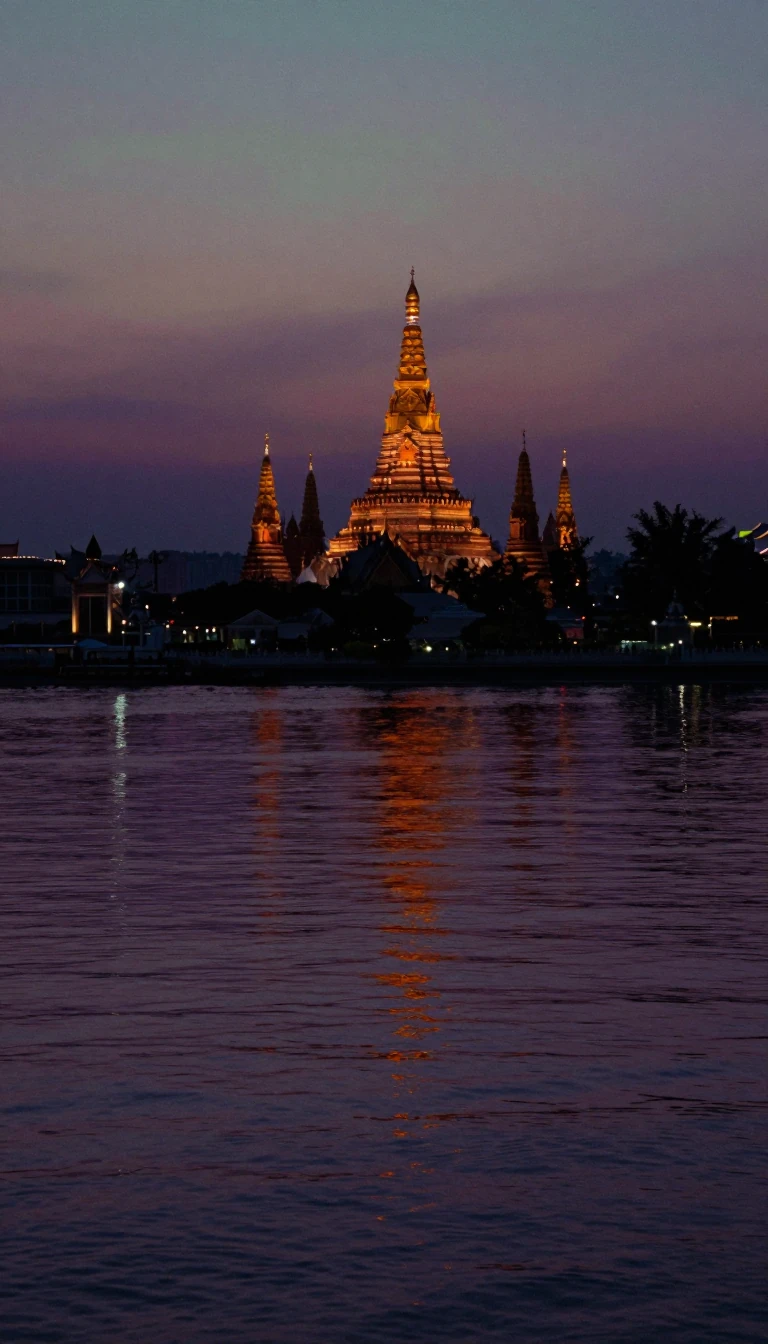 Why is the world's most persecuted minority denied existence in their own homeland?The Rohingya, a Muslim ethnic group with roots in Myanmar dating back a millennium, are currently stateless. Despite their long history in Rakhine State, the Myanmar government re…
 Latin America is a vast, diverse region defined by shared colonial history and language.Latin America is not a single monolith but a complex tapestry of 21 countries united by Romance languages and a history of Iberian colonization. From the indigenous roots of the A…
- Are multiracial identities defined by biology, or by the stories societies tell about themselves?Multiracial populations are growing globally, yet the labels used to describe them vary wildly. From the pardo category in Brazil to the Chindian identity in Southeast Asia, these…
 To truly understand a culture, you must stop observing and start living within it.Participant observation is a research method that demands more than just watching from the sidelines. By immersing themselves in a community for months or years, researchers aim t…
- Is separating the sexes a tool for equality or a barrier to human potential?Sex segregation is a global phenomenon that ranges from mandatory legal requirements to voluntary social preferences. While some argue that separating men and women protects priva…
 Why anthropologists are the best detectives for understanding how modern power actually worksPolitical anthropology began by studying remote tribes, but today it is the sharpest tool for dissecting the hidden mechanics of states, corporations, and international bureaucrac…
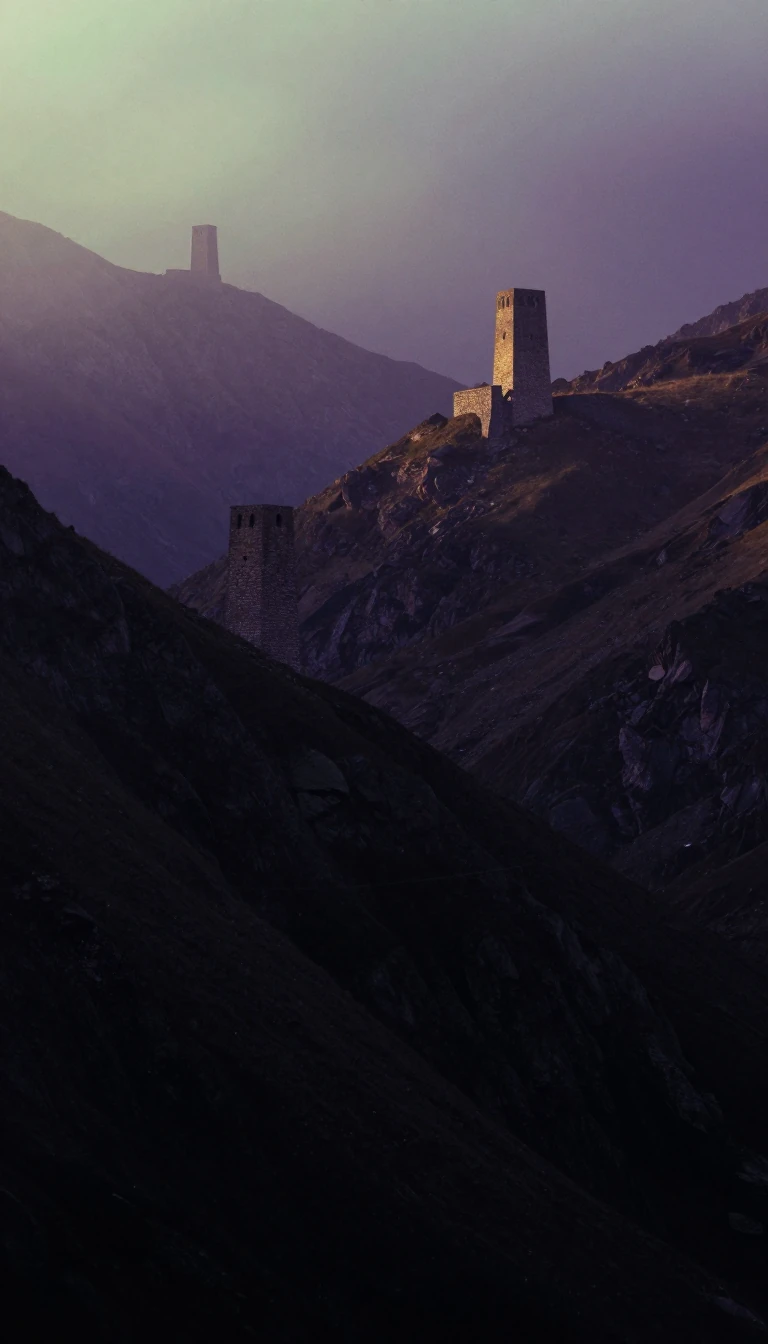 The Kumyks: A formidable Turkic power that once halted Russian expansion for over a centuryAs the largest Turkic ethnic group in the North Caucasus, the Kumyks historically balanced influence between the Ottoman, Persian, and Russian empires. Renowned for their fierce m…
 Why do criminal trials and nations claim to act in the name of the people?The word people is more than a collective noun; it is a potent political instrument. From the ancient Roman Senate to modern socialist republics and American courtrooms, invoking …
 The Kongo Kingdom was a sophisticated state long before the arrival of European ships.The Kongo people, a Bantu-speaking group along the Atlantic coast of Central Africa, established advanced socio-political systems and kingdoms centuries before Portuguese contact …
- The Kanak people: Indigenous guardians of New Caledonia's complex, ancient, and evolving cultural identityThe Kanak people are the indigenous Melanesian inhabitants of New Caledonia, a French overseas collectivity in the southwest Pacific. With roots stretching back to the ancient Lap…