Estonians sit where Western and Eastern European traditions meet
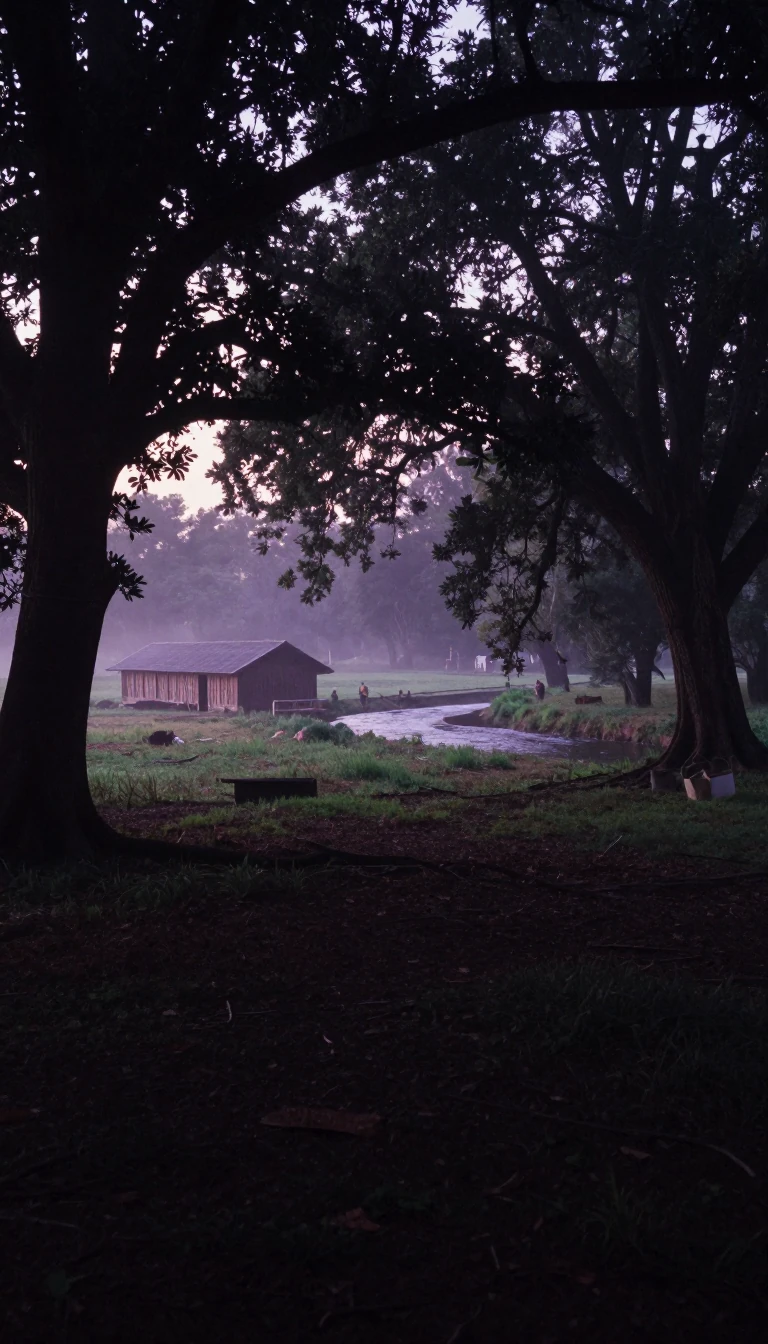
In short: Estonia lies between western and eastern Europe, facing Sweden across the Baltic and Russia across Lake Peipus. Its culture has absorbed influences from both sides, yet it kept a distinct identity built around song, dance and a unusual farmhouse called the barn dwelling.
Estonia's position has shaped its culture for centuries. Northern Estonia, especially Tallinn, has traditionally been more receptive to outside influences, from Germanic Christianity and the Reformation to Russification. Southern Estonia has been more inward-looking and provincial. The nationalist revival of the 19th century bridged these differences, forming a national culture that for a long time rested on the countryside's farming life as shared ground. At the centre of that rural life stood the barn dwelling, a multipurpose farmhouse with no real equivalent elsewhere, apart from northern Latvia.
Families lived and worked under one roof, with living quarters, a room for drying grain, a work area and sometimes animal pens. Barn dwellings are now historical curiosities, but other folk traditions remain alive. Traditional costumes fell out of everyday wear in the second half of the 19th century as towns grew, yet they still appear on festive occasions. Song and dance remain close to the heart of Estonian identity.
The first national song festival took place in Tartu in 1869, and the Song and Dance Celebration still anchors national pride today. Food reflects the rural past as well, with leavened rye bread, pickled gherkins, potato porridge and salt herring among common dishes. National holidays commemorate both independence and loss, including the 1918 declaration of independence and a Soviet deportation of roughly 10,000 Estonians in a single night in 1941. Identity itself is still debated. Estonians regard themselves as part of the Finno-Ugric peoples without ruling out a Baltic identity. A 2013 poll found that about half of young Estonians saw themselves as Nordic, and a similar number valued a Baltic identity.
Opens the Intellect+ feed with this card first. Swipe up for the next one.
Sources
- Summary by Intellect · source: Estonia - Culture, Language, Folklore | Britannica
- Also: Estonians
To cite this card, link to https://intellectplus.co.uk/app/culture-estonians.
How we source, check and correct cards: Editorial standards.
General information, not professional advice. Spotted an error? Flag the card or see corrections and complaints.
Intellect Plus is a visual educational discovery platform for exploring fascinating facts and ideas. Brain Food, Not Brain Rot. What is Intellect Plus?
Related
More in Culture · More in Cultures · Latest · A–Z · All topics
