The government once made owning gold a criminal offense
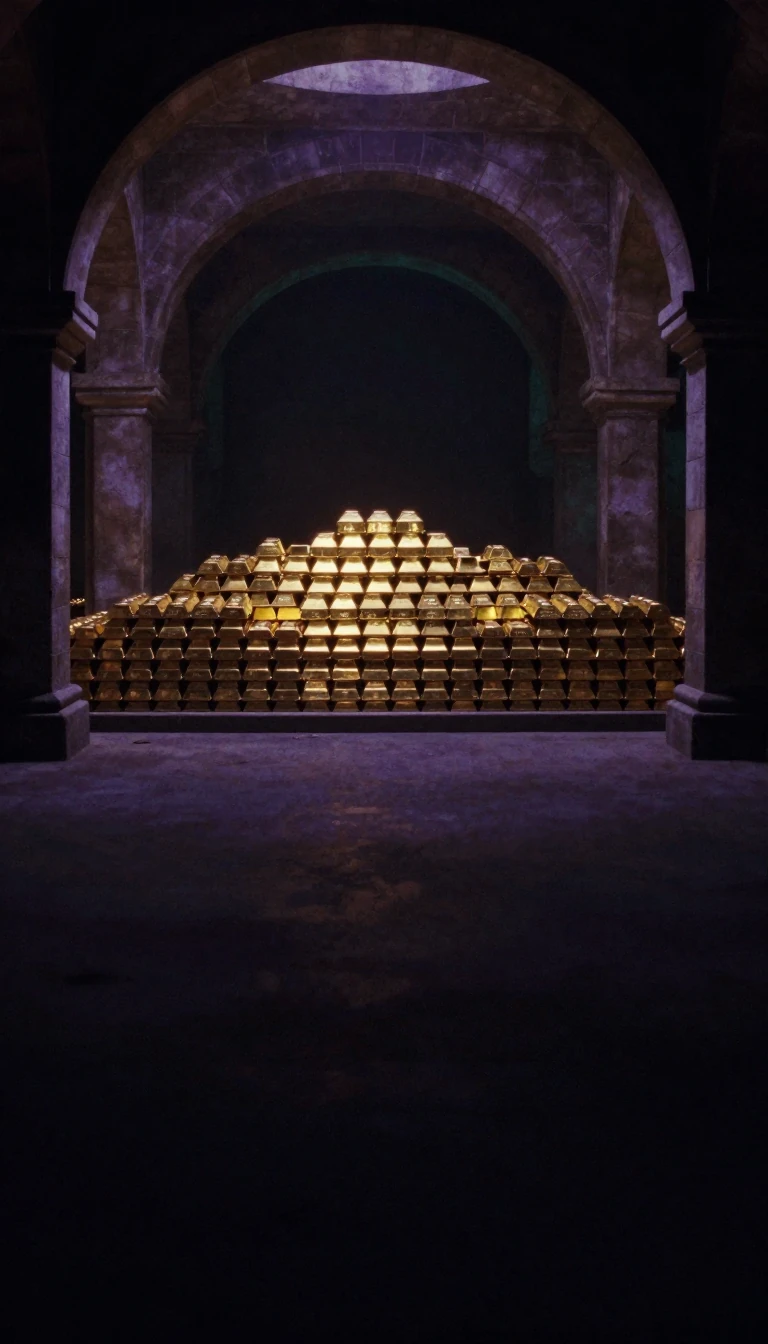
In short: In 1933, the United States effectively banned private gold ownership. While framed as a move to stop economic hoarding during the Great Depression, it served a deeper purpose: breaking the shackles of the gold standard to allow the Federal Reserve to expand the national money supply.
Signed by Franklin D. Roosevelt on April 5, 1933, Executive Order 6102 prohibited the hoarding of gold coins, bullion, and certificates. The order required individuals and corporations to deliver their holdings to Federal Reserve banks by May 1, 1933, in exchange for paper currency. While the administration publicly argued that 'hoarding' was stalling economic growth during the Depression, the underlying mechanism was more structural. By 1929, the Federal Reserve had nearly reached its limit of allowable credit because it was required to back 40% of its notes with gold. Forcing citizens to surrender their gold removed this constraint, enabling the government to issue more paper money.
The policy was fiercely contested at the time. Critics called it a 'flagrant violation' of the Gold Standard Act of 1900 and argued that devaluing the currency would trigger a fraudulent economic boom followed by an inevitable crash. To facilitate this shift, the Gold Reserve Act of 1934 adjusted the dollar's gold content from roughly $20.67 to $35 per ounce. This move did not increase gold's value; instead, it devalued the U.S. Dollar, requiring less gold to back each note and allowing for a massive expansion of the money supply. The resulting profit from this valuation shift helped fund the Exchange Stabilization Fund.
Despite its broad reach, the order included specific exemptions for 'customary use' in professions like jewelry or art, as well as a small allowance of $100 in gold coins per person. It also protected rare coins held by collectors. However, the order had lasting cultural and numismatic impacts; it caused production to halt and led to the destruction of all 1933 Double Eagle coins. This created an extreme rarity where only a few stolen specimens remain today, with one selling for over $7.5 million in 2002. The ban remained in effect until 1974, when it was finally repealed.
The legal weight of the order was significant: violators faced fines up to $10,000 or ten years in prison. Numerous individuals and companies were prosecuted under the various executive orders and acts that followed. This era marked a fundamental transition in American finance, moving from a commodity-backed currency system to one where the government held the primary power to define and expand the nation's monetary reach.
Opens the Intellect+ feed with this card first. Swipe up for the next one.
Sources
- Summary by Intellect · source: Executive Order 6102
To cite this card, link to https://intellectplus.co.uk/app/culture-executive-order-6102.
How we source, check and correct cards: Editorial standards.
General information, not professional advice. Spotted an error? Flag the card or see corrections and complaints.
Intellect Plus is a visual educational discovery platform for exploring fascinating facts and ideas. Brain Food, Not Brain Rot. What is Intellect Plus?
Related
More in Festivals & celebrations · More in Cultures · Latest · A–Z · All topics
