Are facial expressions universal, or is our reading of them a cultural construct?
In short: We assume a smile means happiness and a frown means anger, but science is divided. While some researchers argue these expressions are innate, universal signals, others suggest we rely on social context and forced-choice labels to interpret them. The truth may be far more nuanced than a simple photograph suggests.
The debate over whether facial expressions are universal centers on the work of Paul Ekman, who famously tested the South Fore people of New Guinea. By asking this isolated, pre-industrial group to match facial expressions to emotional stories, Ekman concluded that basic emotions like happiness, sadness, and disgust are recognized across cultures. This universality hypothesis suggests that these expressions are evolutionary, hardwired signals rather than learned social behaviors.
However, critics like Nelson, Russell, and Jack have challenged these findings, arguing that the methodology often inflates recognition scores. Common experimental flaws include using posed rather than spontaneous expressions, providing participants with a limited list of emotion labels—a 'forced choice' method—and showing multiple expressions at once, which allows for comparative judgment. When these constraints are removed, recognition rates often drop, suggesting that our ability to read faces may rely more on context than previously assumed.
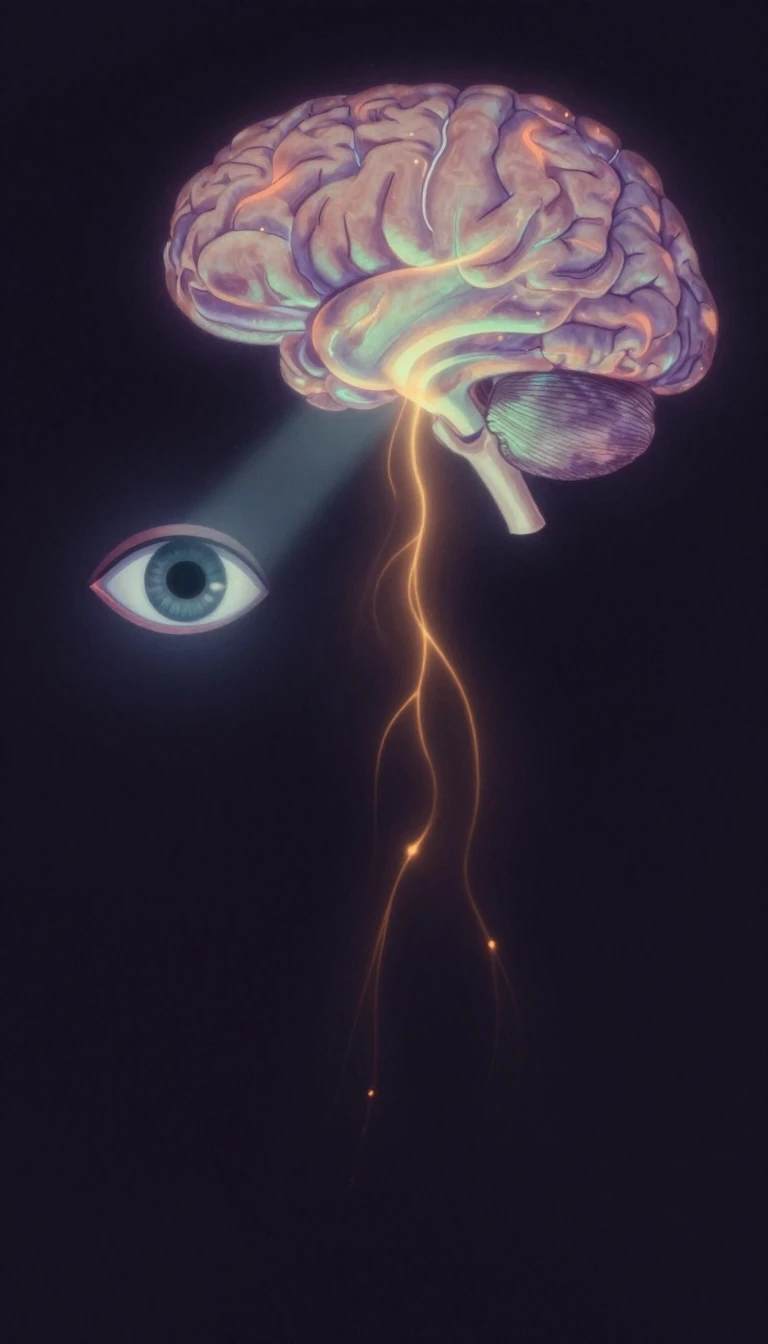
Beyond the debate, the mechanics of expression are complex. We possess two distinct neural pathways: a cortical route for voluntary, socially conditioned expressions, and a subcortical route for genuine, involuntary emotions. This explains why infants and blind children display similar emotional expressions, and why our faces often betray 'emotion residue' even when we attempt to appear neutral. Furthermore, our faces are asymmetric, with the right hemisphere—more specialized for emotion—often causing more intense expressions on the left side.
Ultimately, facial communication is a multi-channeled process. We rarely interpret a face in isolation; we integrate gaze direction, vocal tone, and speech content to decode intent. In sign languages, facial expressions even function as grammatical markers, conveying adverbs and adjectives. As research shifts toward dynamic video stimuli rather than static photos, it is becoming clear that the 'meaning' of a face is not just a static signal, but a fluid, evolving interaction shaped by both biology and social experience.
Opens the Intellect+ feed with this card first. Swipe up for the next one.
Sources
- Summary by Intellect · source: Facial expression
To cite this card, link to https://intellectplus.co.uk/app/culture-facial-expression.
How we source, check and correct cards: Editorial standards.
General information, not professional advice. Spotted an error? Flag the card or see corrections and complaints.
Intellect Plus is a visual educational discovery platform for exploring fascinating facts and ideas. Brain Food, Not Brain Rot. What is Intellect Plus?
Related
More in Communication · More in Cultures · Latest · A–Z · All topics
