Folk horror is not just about ghosts; it is the terror of ancient, rural belief.
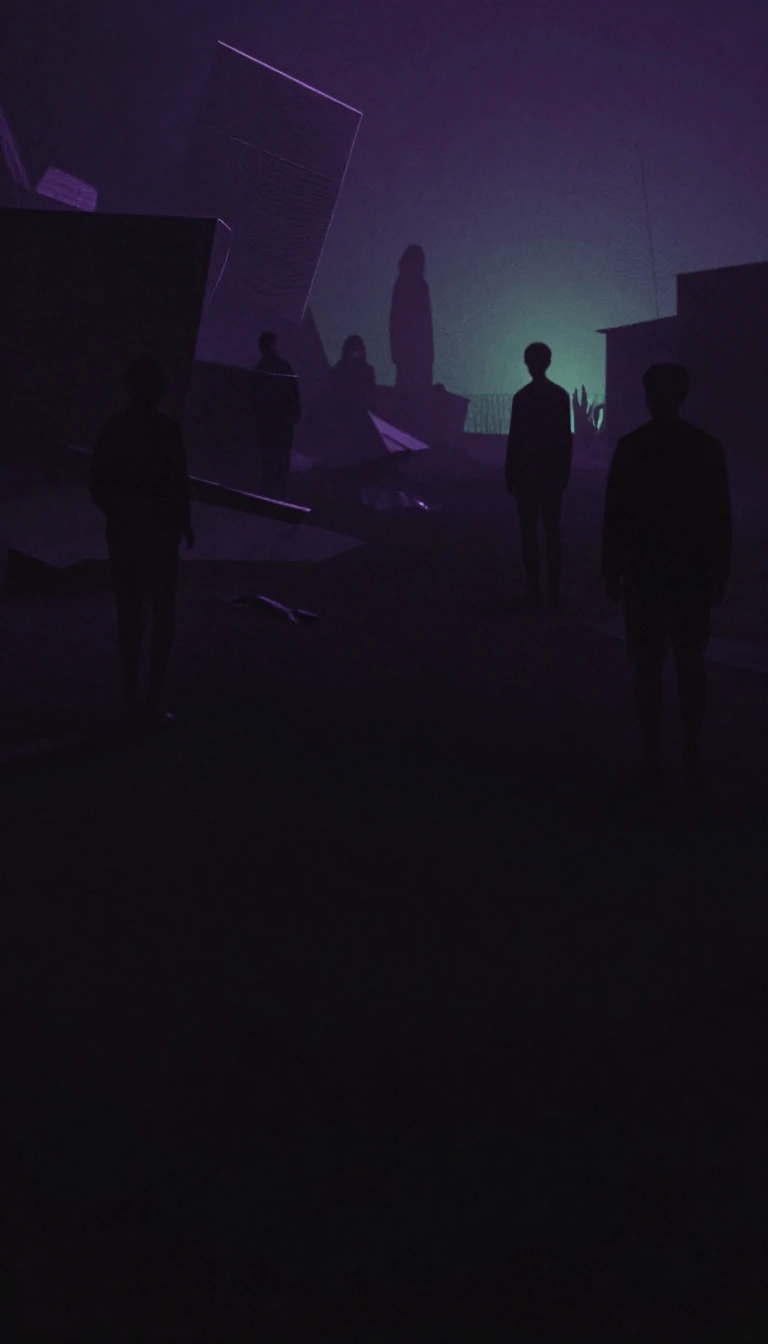
In short: Folk horror trades jump scares for the creeping dread of isolated communities and forgotten rituals. While often confused with supernatural tales, the genre focuses on the clash between modern outsiders and the dark, pagan superstitions of the countryside. From British cult classics to Southeast Asian cinema, it remains a global obsession.
The genre is defined by its rural setting, isolation, and the unsettling power of folk religion, sacrifice, and the dark aspects of nature. Unlike standard supernatural horror, which relies on ghosts or demons, folk horror centers on the beliefs and actions of people. It often features naive outsiders who stumble into communities governed by irrational forces that demand ritualistic appeasement, sometimes involving human or animal sacrifice.
The term was first used in 1970 by reviewer Rod Cooper to describe the film The Blood on Satan's Claw. This work, alongside Witchfinder General (1968) and The Wicker Man (1973), forms the 'Unholy Trinity' of the genre. These films were heavily influenced by the 1960s counterculture and a 'second wave of pop occultism.' While the genre has a distinct British history—including 1970s television staples like Children of the Stones—it is a global phenomenon. Southeast Asian horror, for instance, has long utilized local folklore as its default mode, with films like The Medium and Satan Slaves drawing on deep-seated cultural beliefs.
The roots of folk horror stretch back to the revival of medieval folklore in Gothic fiction, which first emerged as a cultural force in the 18th century. Later, the pagan survival theories of scholars like Margaret Murray and the weird fiction of writers like M. R. James and Arthur Machen provided the intellectual scaffolding for the genre. Today, the tradition continues to evolve, moving beyond film into television series like The Third Day and even video games such as Darkwood (2017) and Mundaun (2021), proving that the fear of the old ways remains a potent, modern narrative tool.
Opens the Intellect+ feed with this card first. Swipe up for the next one.
Sources
- Summary by Intellect · source: Folk horror
To cite this card, link to https://intellectplus.co.uk/app/culture-folk-horror.
How we source, check and correct cards: Editorial standards.
General information, not professional advice. Spotted an error? Flag the card or see corrections and complaints.
Intellect Plus is a visual educational discovery platform for exploring fascinating facts and ideas. Brain Food, Not Brain Rot. What is Intellect Plus?
Related
More in Clothing and fashion · More in Cultures · Latest · A–Z · All topics
