The shy observer who secretly invented the modern novel of manners
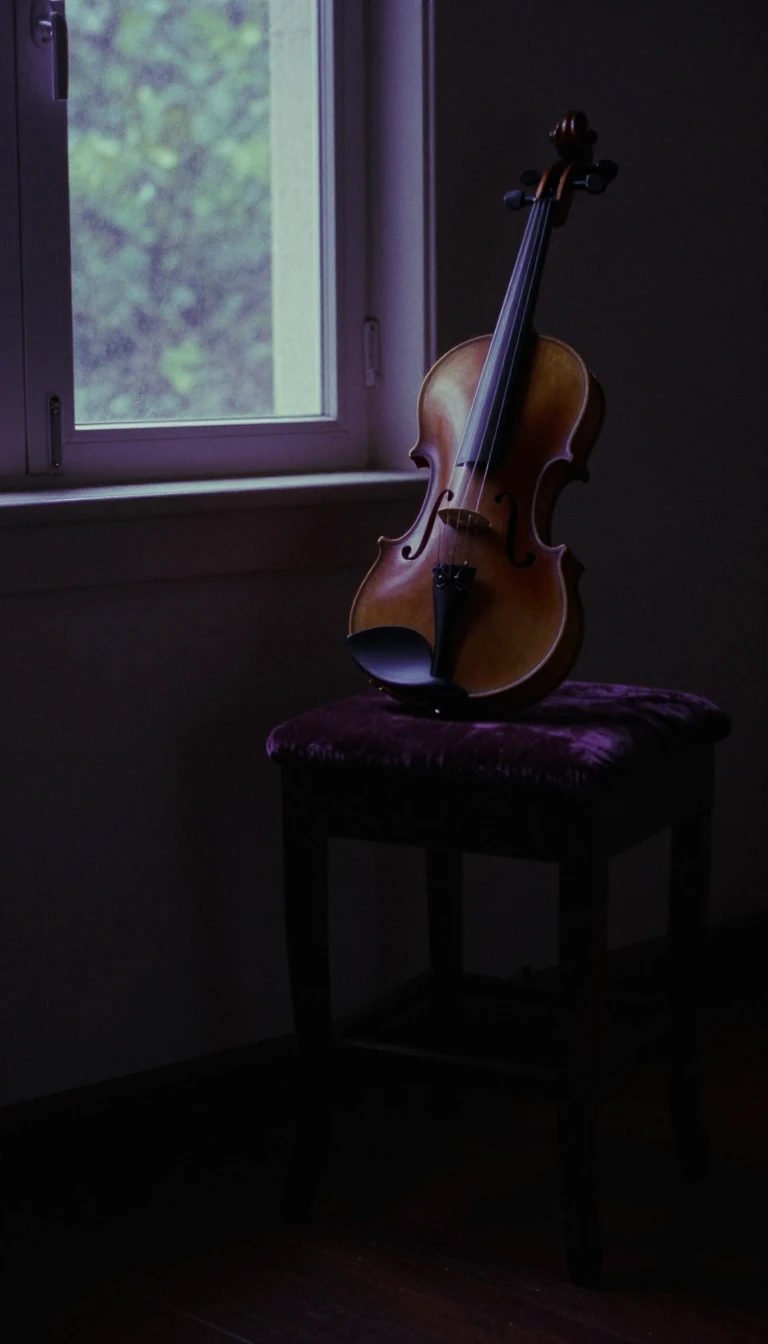
In short: Before Jane Austen, there was Fanny Burney. Initially a quiet observer of London’s elite, she published her debut anonymously, hiding her identity from her own father. Her sharp, satirical eye for social blunders transformed English literature, turning private journals into a landmark of social commentary.
Born in 1752 in Norfolk, Frances Burney spent her early years as a self-educated reader, often unnoticed by the great figures of her era. While her father, the historian Charles Burney, hosted musical evenings for luminaries like Samuel Johnson and David Garrick, Fanny acted as a quiet chronicler. Under the mentorship of Samuel Crisp, she began recording lively accounts of these London gatherings in journals, capturing the nuances of speech and the social hierarchies of the time.
In 1778, Burney took a massive risk by publishing her first novel, Evelina, anonymously. The book, which follows a young woman’s uncertain entry into society, became an immediate sensation. Her true identity was eventually revealed, launching her into the literary spotlight. This innovative style—using the errors of a heroine to satirize social pretensions—directly paved the way for Jane Austen’s later masterpieces. Burney continued her success with Cecilia in 1782 and Camilla in 1796, often weaving complex moral themes and social satire into her plots.
Despite her literary fame, Burney’s life was marked by significant upheaval. She served as the second keeper of the robes to Queen Charlotte from 1786 to 1791, a role she eventually resigned from due to failing health. Her personal life saw the marriage of a penniless French émigré, Alexandre d’Arblay, in 1793, and a decade-long displacement in France during the Napoleonic Wars. While her reputation as a novelist faced scrutiny after her death in 1840, her extensive diaries—published posthumously starting in 1842—remain essential historical windows into the 18th century.
Opens the Intellect+ feed with this card first. Swipe up for the next one.
Sources
- Summary by Intellect · source: Frances Burney | Biography, Books, & Facts | Britannica
- Also: Frances Burney
To cite this card, link to https://intellectplus.co.uk/app/culture-frances-burney.
How we source, check and correct cards: Editorial standards.
General information, not professional advice. Spotted an error? Flag the card or see corrections and complaints.
Intellect Plus is a visual educational discovery platform for exploring fascinating facts and ideas. Brain Food, Not Brain Rot. What is Intellect Plus?
Related
More in Traditions & customs · More in Cultures · Latest · A–Z · All topics
