Is frybread a symbol of indigenous resilience or a painful legacy of colonial oppression?
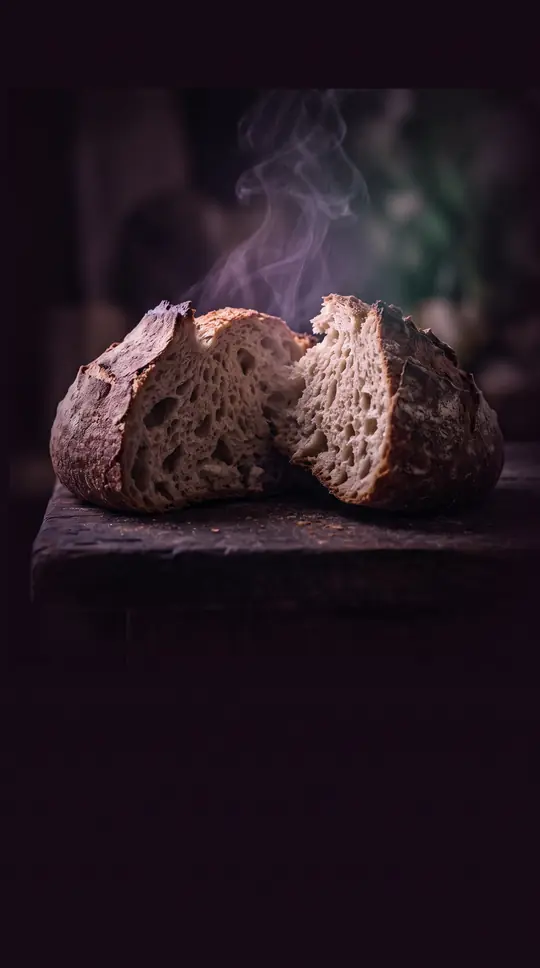
In short: Frybread is more than a simple dish of fried dough. Born from the forced displacement of Native American tribes, this staple food represents a complex intersection of survival, cultural identity, and health struggles. Today, it remains a contested icon, celebrated at pow-wows while simultaneously criticized as a symbol of trauma.
The origins of frybread are rooted in the survival strategies of Native Americans during the era of forced relocation. When the United States government moved tribes from lands capable of supporting traditional agriculture to areas that could not, they provided rations of flour, sugar, and lard. In these dire circumstances, indigenous people used these government-issued staples to create a simple, calorie-dense quick bread fried in hot fat. This ingenuity allowed communities to stave off starvation, transforming a product of colonial dependency into a source of sustenance.
Because of this history, the relationship between Native American communities and frybread is deeply conflicted. For many, the dish is a cherished cultural marker, linking generations and serving as a staple at family gatherings, pow-wows, and festivals. It has even achieved mainstream recognition, such as when South Dakota designated it as the official state bread in 2005, or when the Phoenix-based Fry Bread House received an American Classic award from the James Beard Foundation in 2012. It frequently appears in popular culture, from films like Smoke Signals to award-winning children's literature.
However, many indigenous chefs and activists argue that frybread is a symbol of colonial oppression rather than traditional culture. Critics like Sean Sherman contend that the dish represents everything that is not authentic Native American food, noting that it was forced upon people by the very systems that destroyed their traditional diets. Furthermore, health advocates like Patty Talahongva link the widespread consumption of high-fat, starchy frybread to the prevalence of chronic diseases in indigenous communities, including diabetes and hypertension. This has fueled a movement toward food sovereignty, which encourages a return to ancestral foods like corn, beans, and squash.
Ultimately, frybread occupies a paradoxical space in contemporary life. It is simultaneously viewed as a testament to the resilience of a people who survived displacement and as a painful reminder of the systemic health and cultural challenges resulting from that same history. Whether seen as a comfort food or a symbol of colonial trauma, it remains an inseparable part of the modern indigenous experience.
Opens the Intellect+ feed with this card first. Swipe up for the next one.
Sources
- Summary by Intellect · source: Frybread
To cite this card, link to https://intellectplus.co.uk/app/culture-frybread.
How we source, check and correct cards: Editorial standards.
General information, not professional advice. Spotted an error? Flag the card or see corrections and complaints.
Intellect Plus is a visual educational discovery platform for exploring fascinating facts and ideas. Brain Food, Not Brain Rot. What is Intellect Plus?
Related
More in Traditions & customs · More in Cultures · Latest · A–Z · All topics
