Why do people risk death for a taste of the world's most dangerous fish?
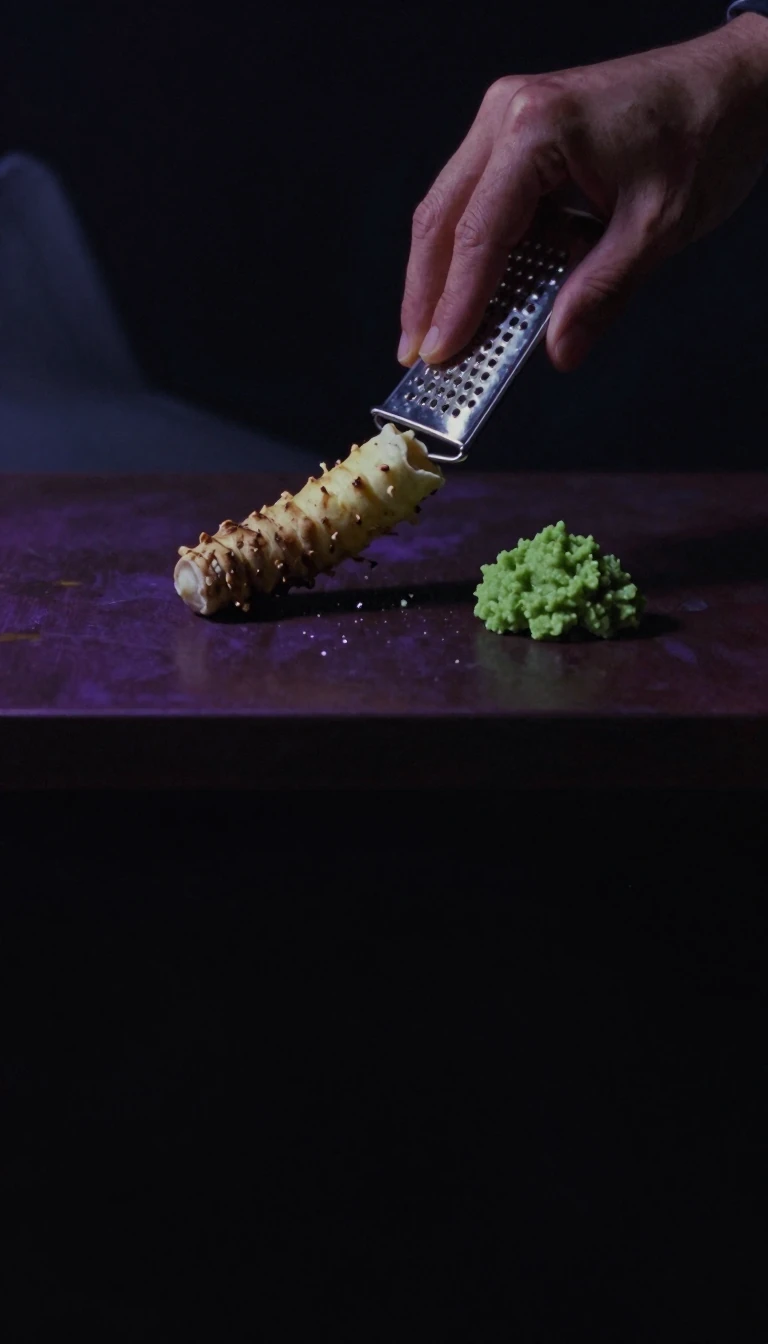
In short: Fugu, the Japanese delicacy prepared from pufferfish, contains tetrodotoxin, a potent neurotoxin with no known antidote. While it paralyzes muscles and can cause fatal asphyxiation, the dish remains a prized culinary experience. Chefs undergo years of rigorous training to master the precise, life-saving techniques required to remove the fish's lethal organs.
The danger of fugu lies in its organs—specifically the liver, ovaries, eyes, and skin—which harbor tetrodotoxin. This neurotoxin acts as a sodium channel blocker, shutting down electrical signaling in nerves. Victims remain fully conscious while their muscles become paralyzed, eventually leading to death by asphyxiation. Interestingly, the fish itself does not produce this toxin; it accumulates it by consuming bacteria-laden prey. Researchers have found that farmers can now produce poison-free fugu by keeping the fish in controlled environments away from these specific bacteria.
Culinary history reveals a complex relationship with this risk. In Japan, fugu consumption dates back over 2,300 years, appearing in archeological shell middens from the Jōmon period. Yet, the Tokugawa shogunate once prohibited its consumption, and the Japanese government banned the serving of the prized liver in restaurants in 1984. Despite these regulations, a persistent underground culture exists where diners occasionally request the forbidden organ, sometimes with dire consequences. The famous Kabuki actor Bandō Mitsugorō VIII died in 1975 after consuming four servings of fugu liver, mistakenly believing he could resist the toxin.
Modern regulation has transformed fugu from a lethal gamble into a highly controlled industry. In Japan, chefs must pass a rigorous licensing exam that includes written and practical tests, with only about 35 percent of applicants succeeding. Similar strict standards exist in Korea, while China has shifted toward a more open market for farmed, organ-removed fish. Beyond the plate, the toxin itself is being studied for clinical applications, with trials evaluating its effectiveness in treating cancer-related pain. For the adventurous diner, the allure remains: a dish so prized that the scholar-statesman Su Shi famously remarked its taste was worth dying for.
Opens the Intellect+ feed with this card first. Swipe up for the next one.
Sources
- Summary by Intellect · source: Fugu
To cite this card, link to https://intellectplus.co.uk/app/culture-fugu.
How we source, check and correct cards: Editorial standards.
General information, not professional advice. Spotted an error? Flag the card or see corrections and complaints.
Intellect Plus is a visual educational discovery platform for exploring fascinating facts and ideas. Brain Food, Not Brain Rot. What is Intellect Plus?
Related
More in Traditions & customs · More in Cultures · Latest · A–Z · All topics
