Why Germany chose October 3rd instead of the fall of the Berlin Wall
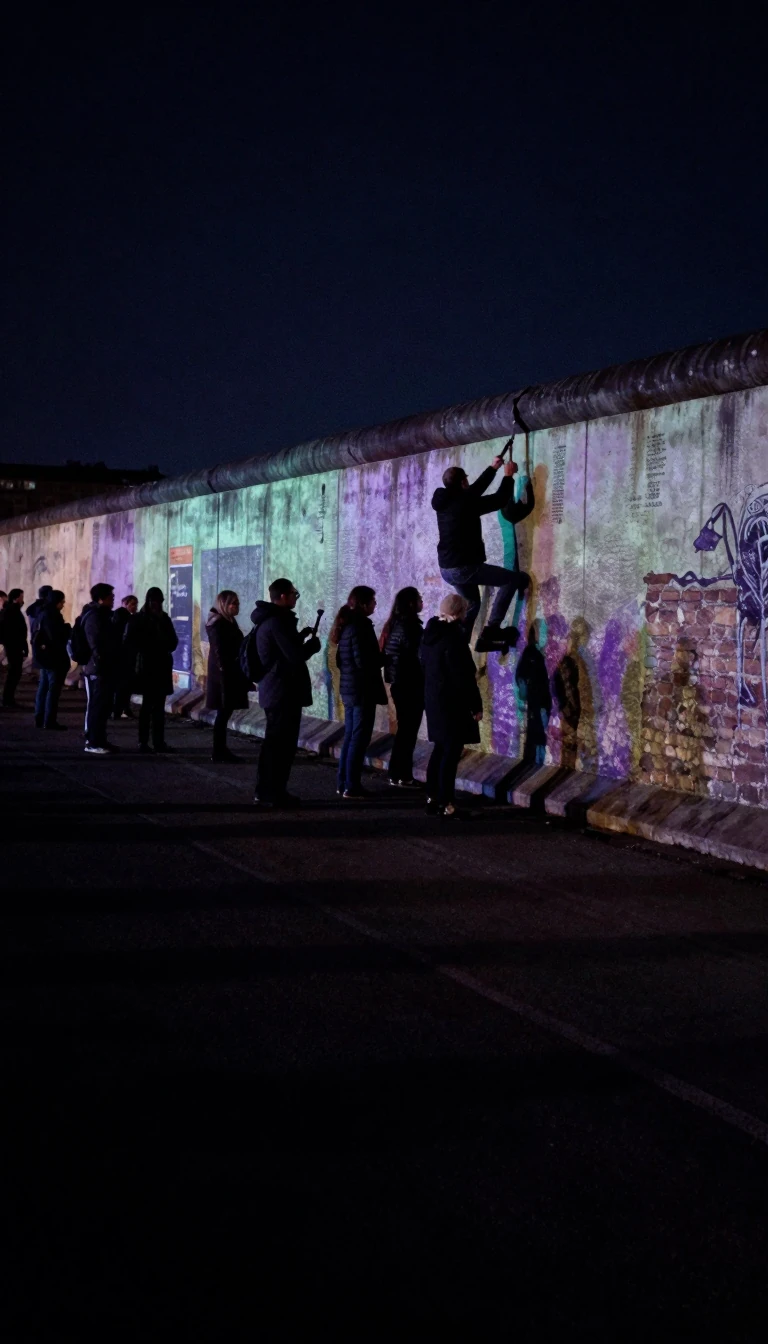
In short: It seems logical to celebrate the day the Wall fell. But for Germany, November 9th carried a much darker shadow. To build a new national identity, leaders had to navigate a minefield of historical trauma, choosing a date that signaled a fresh start rather than a painful reminder.
When the German Democratic Republic (East Germany) joined the Federal Republic (West Germany) in 1990, the nation faced a dilemma regarding its official holiday. While the fall of the Berlin Wall on 9 November 1989 was a monumental moment, that date was deemed inappropriate for a national celebration. It coincided with the anniversary of the 1938 Nazi-led pogroms against Jews, known as Reichspogromnacht, and the 1923 failed coup by Hitler.
The decision to settle on 3 October 1990 was driven by the formal completion of reunification. This date was finalized during a historic session of the East German parliament, the Volkskammer, which began at 9 p.m. on 22 August 1990. In the early hours of 23 August, the parliament voted 294 to 62 in favor of the GDR joining the Federal Republic. Gregor Gysi, Chairman of the SED-PDS, noted at the time that the decision effectively signaled the downfall of the GDR.
This new holiday replaced the previous West German holiday, celebrated on 17 June. That date had commemorated the 1953 East German uprising, but by the mid-1960s, it had transitioned from a day of political remembrance into a day of recreation. Even as late as 2004, there were attempts to move Unity Day to a Sunday to aid the economy, but critics feared this would devalue the holiday and potentially clash with 7 October, the former East German Republic Day.
Today, the holiday is celebrated through a citizen's festival in a rotating host city, typically a state capital. The celebrations often include fireworks and the participation of the 'Zipfelbund'—four communities representing the cardinal points of the modern German borders: List, Selfkant, Oberstdorf, and Görlitz.
Opens the Intellect+ feed with this card first. Swipe up for the next one.
Sources
- Summary by Intellect · source: German Unity Day
To cite this card, link to https://intellectplus.co.uk/app/culture-german-unity-day.
How we source, check and correct cards: Editorial standards.
General information, not professional advice. Spotted an error? Flag the card or see corrections and complaints.
Intellect Plus is a visual educational discovery platform for exploring fascinating facts and ideas. Brain Food, Not Brain Rot. What is Intellect Plus?
Related
More in Festivals & celebrations · More in Cultures · Latest · A–Z · All topics
