How a city of grief and funerals became a vibrant, multicoloured Mediterranean hub
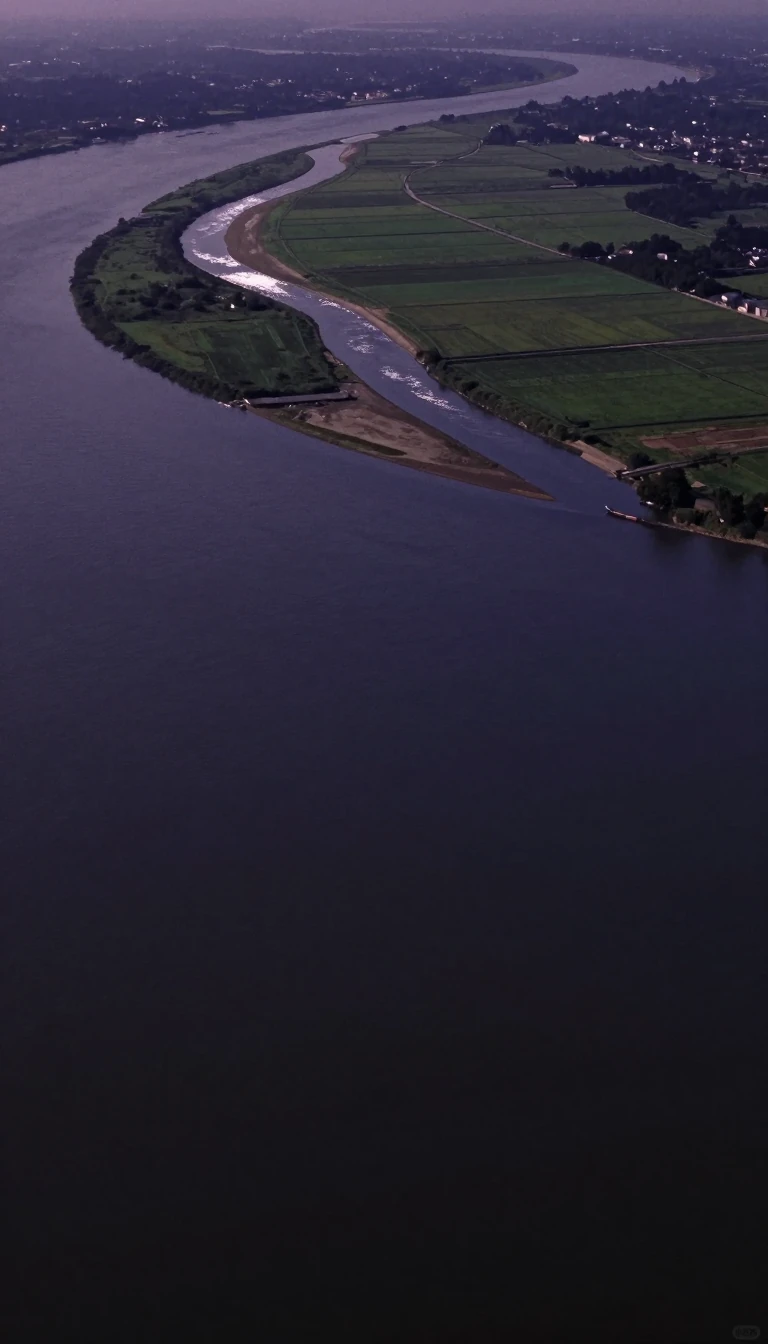
In short: Girona was once a monochrome landscape defined by religious fundamentalism and the shadow of dictatorship. Today, it is a thriving cultural centre, famous for its medieval Jewish quarter, Roman fortifications, and a bold 1982 artistic intervention that transformed its riverfront into a vivid, multicoloured symbol of post-Franco liberation.
Girona, the capital of its namesake province in Catalonia, sits at the confluence of four rivers. Its history is a layered chronicle of conquest and resilience, stretching from its origins as the Iberian settlement of Gerunda to its Roman fortification and subsequent rule by Visigoths and Moors. Charlemagne reclaimed the city in 785, establishing it as a strategic county. Over the centuries, it endured twenty-five sieges, including the brutal Peninsular War siege of 1809, where the city held out against 35,000 French Napoleonic troops until disease and famine forced a surrender.
The city's Jewish heritage is equally profound. By the 12th century, Girona hosted one of Europe's most significant Kabbalistic schools, led by the renowned Nahmanides. This flourishing community was abruptly silenced in 1492 by the Alhambra Decree, which forced Jews to convert or face exile. For centuries, the Jewish quarter, or Call, remained largely forgotten and built over, only to be rediscovered and excavated following the death of Francisco Franco in 1975. Today, the Centre Bonastruc ça Porta serves as a museum and institute, preserving the memory of a community that once defined the city's intellectual life.
Modern Girona is a study in transformation. The iconic houses overlooking the Onyar River, now painted in a vibrant palette of 29 colours, were a deliberate 1982 project by artists Enric Ansesa and James J. Faixó. Ansesa viewed this act as a definitive break from the 'black and white' era of the Franco dictatorship. Beyond its aesthetic rebirth, the city has become a global destination for professional cyclists and a popular filming location, while its historic walls—reconstructed between 1983 and 2003—offer a panoramic bridge between its ancient past and its lively, modern social hub.
Opens the Intellect+ feed with this card first. Swipe up for the next one.
Sources
- Summary by Intellect · source: Girona
To cite this card, link to https://intellectplus.co.uk/app/culture-girona.
How we source, check and correct cards: Editorial standards.
General information, not professional advice. Spotted an error? Flag the card or see corrections and complaints.
Intellect Plus is a visual educational discovery platform for exploring fascinating facts and ideas. Brain Food, Not Brain Rot. What is Intellect Plus?
Related
More in Festivals & celebrations · More in Cultures · Latest · A–Z · All topics
