Glastonbury Abbey was once England's richest monastery, fueled by legends of Arthur and Avalon.
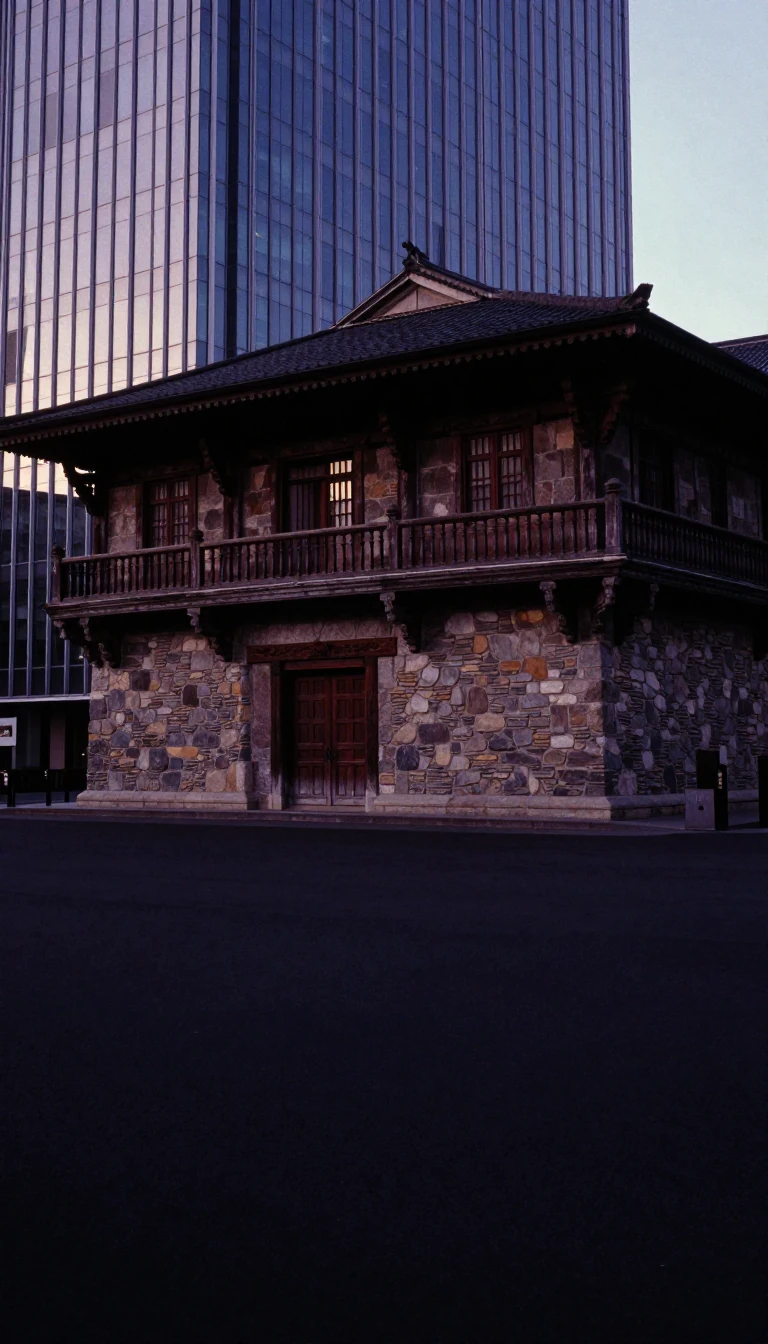
In short: Founded by Britons and later transformed by Saxon and Norman influence, Glastonbury Abbey became a powerhouse of medieval wealth and myth. From its legendary connection to King Arthur to its role in massive drainage projects, the site remains a complex tapestry of historical reality, religious propaganda, and archaeological mystery.
Glastonbury Abbey, established by Britons at least by the early 7th century, evolved into one of England's most powerful religious institutions. By the 14th century, its wealth was second only to Westminster Abbey. The site’s influence extended far beyond prayer; the monks directed significant drainage projects on the Somerset Levels and operated a sophisticated water-borne transport network, including a 10th-century canal that linked the abbey to the River Brue for moving stone and produce.
The abbey's prestige was bolstered by carefully cultivated legends. Medieval monks promoted the idea that Glastonbury was the mythical Avalon, a connection solidified in 1191 when the abbey announced the discovery of King Arthur and Queen Guinevere's tomb. Historians today largely view this as a strategic publicity stunt intended to raise funds for reconstruction following a devastating fire in 1184. Even the writings of William of Malmesbury, commissioned around 1125 to establish the abbey's primacy, are now recognized by scholars as containing pious forgeries and unsubstantiated claims.
The abbey's end was as dramatic as its rise. During the Dissolution of the Monasteries, King Henry VIII’s agents seized its vast treasures. In 1539, the final abbot, Richard Whiting, was executed on Glastonbury Tor. Following the suppression, the buildings were stripped of lead and stone, eventually falling into ruin. While the site became a quarry in the 19th century, it was saved by the Ancient Monuments Protection Act of 1882. Today, the Abbot's Kitchen—a 14th-century structure with four massive fireplaces—stands as the only substantial medieval building to survive intact.
Opens the Intellect+ feed with this card first. Swipe up for the next one.
Sources
- Summary by Intellect · source: Glastonbury Abbey
To cite this card, link to https://intellectplus.co.uk/app/culture-glastonbury-abbey.
How we source, check and correct cards: Editorial standards.
General information, not professional advice. Spotted an error? Flag the card or see corrections and complaints.
Intellect Plus is a visual educational discovery platform for exploring fascinating facts and ideas. Brain Food, Not Brain Rot. What is Intellect Plus?
Related
More in Languages · More in Cultures · Latest · A–Z · All topics
