The medieval robe that became the uniform of modern authority
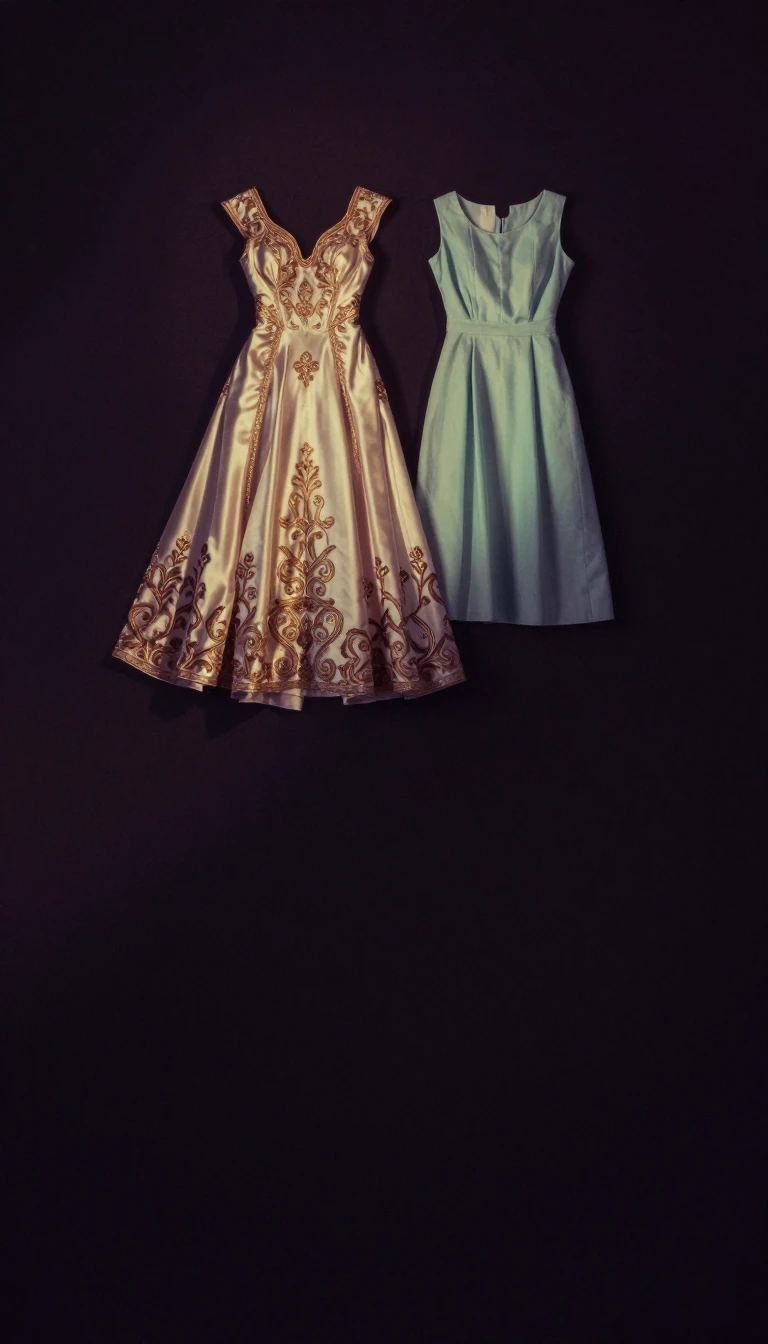
In short: When you see a judge in robes or a scholar in academic dress, you are looking at a living fossil. These garments aren't just ceremonial costumes; they are direct descendants of everyday medieval clothing that transitioned from common wear to symbols of professional status over centuries.
The word 'gown' originates from the Latin term 'gunna,' which described a loose outer garment worn by people of both sexes in Europe. During the Early Middle Ages, these garments—often referred to as cotes, surcoats, or robes—were standard attire for many. By the 12th and 13th centuries, students at early European universities began wearing gowns and hoods specifically to indicate their social status within the academic community.
As fashion evolved between the 14th and 17th centuries, the term 'gown' expanded to describe any long, loose, robe-like garment. In Italy during the 1500s, specific styles like the camora emerged, shifting from high waists and low necklines to low waists and high necks by the century's end. While these garments eventually fell out of general fashion in places like Italy by the late 16th century, they remained preserved as uniforms for specific professions, including bankers and priests.
This preservation is why modern academic and legal robes exist today. They were formalized into professional uniforms during the 16th and 17th centuries, moving from functional daily wear to markers of institutional authority. While 'gown' now commonly refers to a woman's dress or a dressing gown, its original identity as a loose outer garment remains embedded in our most formal systems of law and learning.
In the American colonies during the 18th century, fashion diverged; women wore short gowns for work while longer versions featured silk borders and ribbons. Meanwhile, men adopted the Banyan—a long, loosely fitted informal coat—during that same period. These diverse threads show how a single garment type can bifurcate into high-status uniforms, domestic wear, and casual attire.
Opens the Intellect+ feed with this card first. Swipe up for the next one.
Sources
- Summary by Intellect · source: Gown
To cite this card, link to https://intellectplus.co.uk/app/culture-gown.
How we source, check and correct cards: Editorial standards.
General information, not professional advice. Spotted an error? Flag the card or see corrections and complaints.
Intellect Plus is a visual educational discovery platform for exploring fascinating facts and ideas. Brain Food, Not Brain Rot. What is Intellect Plus?
Related
More in Clothing and fashion · More in Cultures · Latest · A–Z · All topics
