The Gulf Coast is a massive, storm-battered engine of American energy and global trade.
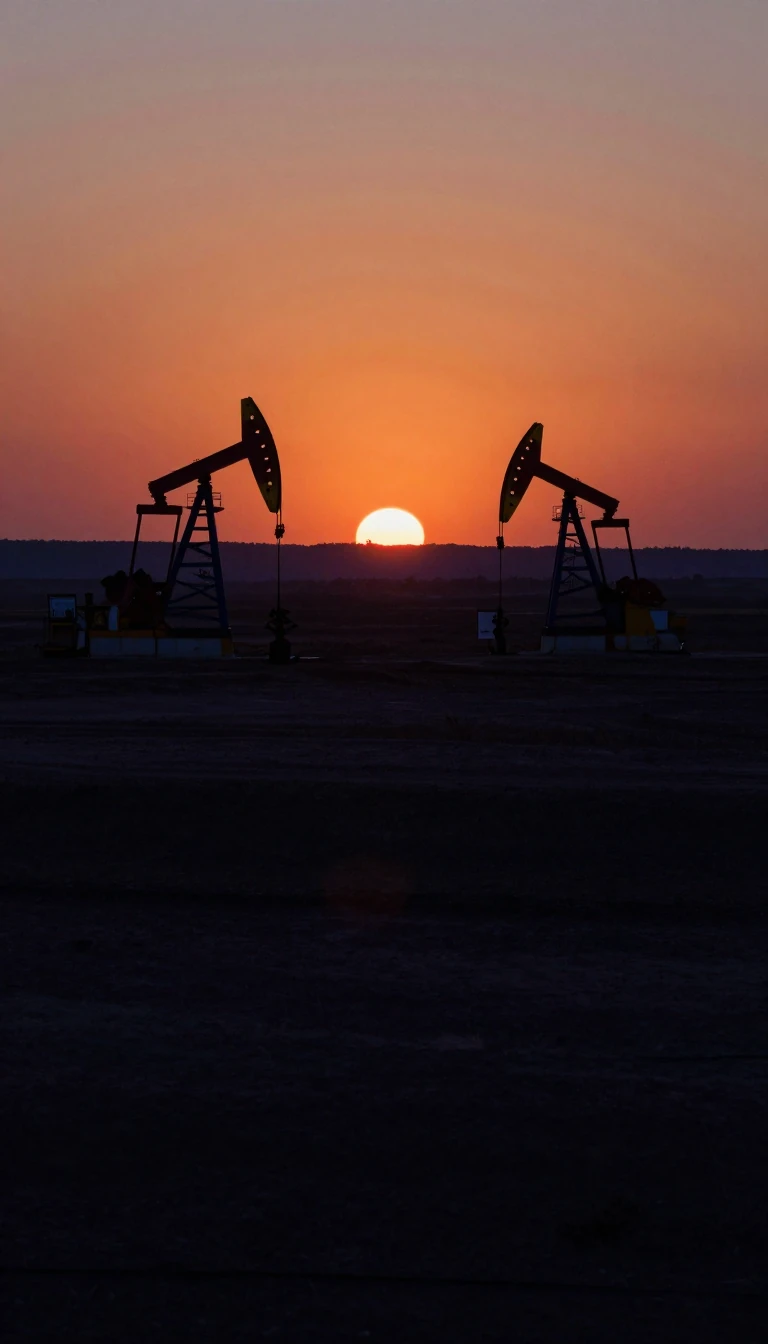
In short: Stretching over 1,200 miles, the Gulf Coast is a complex landscape of marshlands, barrier islands, and vital industrial hubs. While it serves as the heart of the U.S. petrochemical industry, this low-lying region faces an existential challenge from rising sea levels and the relentless power of tropical cyclones.
The Gulf Coast forms a flattened U-shape along the southern United States, extending roughly 100 miles inland from the Gulf of Mexico. This geography is defined by a mix of marshlands in the central region, particularly across Louisiana and Texas, and a series of bays and barrier islands that protect the coast from incoming waves. Major metropolitan areas, including Houston, New Orleans, and Tampa, anchor an economy heavily reliant on shipping, aerospace, and energy production. With nearly 4,000 oil platforms operating in the region, it remains the primary center for the nation's petrochemical industry.
The region's climate is predominantly humid subtropical, characterized by intense heat and humidity that fuel frequent summer thunderstorms. This environment is also a primary target for tropical cyclones, which draw energy from warm ocean waters. These storms, known as hurricanes in the North Atlantic, are defined by a low-pressure core surrounded by a destructive eyewall. In the eyewall, winds can exceed 150 miles per hour, accompanied by torrential rain and storm surges that can elevate sea levels by as much as 20 feet. The structural integrity of these storms is maintained by the Coriolis force, which causes them to rotate counterclockwise in the Northern Hemisphere.
Looking ahead, the Gulf Coast faces significant environmental shifts. Climate projections suggest that sea levels in this region could rise between 14 and 18 inches by 2050, a rate exceeding the national average. This rise threatens to accelerate erosion, destroy critical wetlands, and cause saltwater to intrude into freshwater supplies. These changes imperil the nurseries for commercial fisheries and increase the frequency of high-tide flooding. As the economic and environmental stakes rise, the region must contend with both the immediate, violent threat of hurricanes and the slower, persistent pressure of a changing climate that is already costing billions in relief and infrastructure damage.
Opens the Intellect+ feed with this card first. Swipe up for the next one.
Sources
- Summary by Intellect · source: Gulf Coast | Beaches, Wildlife & Wetlands | Britannica
- Also: Gulf Coast of the United States
To cite this card, link to https://intellectplus.co.uk/app/culture-gulf-coast-of-the-united-states.
How we source, check and correct cards: Editorial standards.
General information, not professional advice. Spotted an error? Flag the card or see corrections and complaints.
Intellect Plus is a visual educational discovery platform for exploring fascinating facts and ideas. Brain Food, Not Brain Rot. What is Intellect Plus?
Related
More in Peoples & civilisations · More in Cultures · Latest · A–Z · All topics
