Why our brains turn empty houses into haunted stages
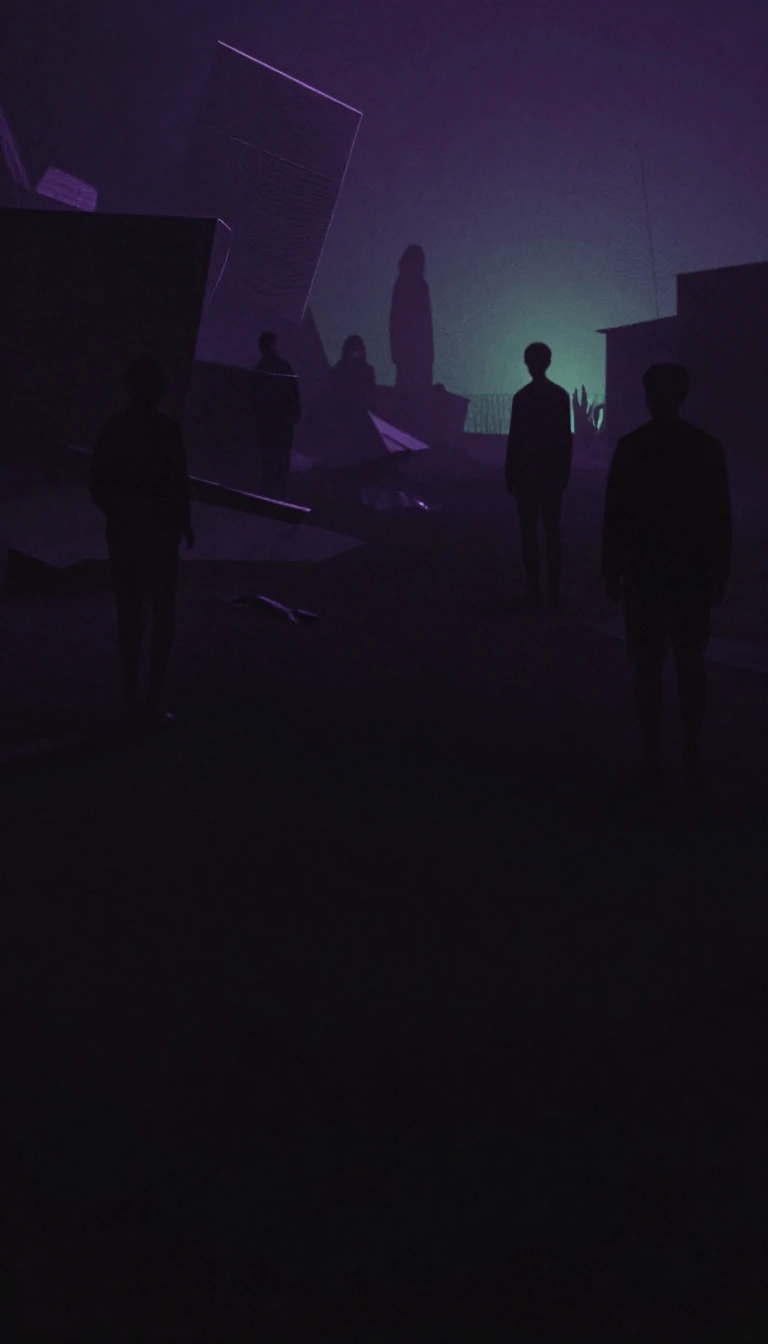
In short: Almost every city has a "haunted" place, yet over 100 years of investigation have yielded zero verifiable facts about ghosts. From carbon monoxide poisoning to shared psychological delusions, the science of hauntings reveals how our minds fill silence with shadows.
The phenomenon of haunted houses is a global cultural constant, but its roots are often rooted in human psychology and environmental factors rather than spirits. Parapsychologists frequently link hauntings to violent deaths—murders or suicides—occurring within a structure. However, skeptics like Joe Nickell argue that the power of suggestion and confirmation bias play primary roles; once a location is labeled "haunted," people begin to notice ordinary occurrences, such as creaking floors or cold spots, as paranormal evidence.
Science offers several tangible explanations for these experiences. Toxicologist Albert Donnay identified "Haunted House Syndrome," where chronic exposure to carbon monoxide, pesticides, or formaldehyde causes auditory and visual hallucinations. In one modern case, a woman convinced she was being watched by a demon was found to have unsafe levels of carbon monoxide in her home. Additionally, the "sensed-presence effect" can be triggered by simple physiological states like fatigue, hunger, fear, or sleep deprivation.
Social dynamics also shape these narratives. The concept of "folie à deux" describes how one person (often a spouse) can adopt the symptoms of another's delusion. In 2003, an investigation into a home where residents felt "kicks" and heard voices suggested the experiences were likely caused by restless leg syndrome and muffled outside noises. Even famous cases like Amityville have been debunked in court, with residents admitting that many reported events were entirely fictional.
Culturally, these beliefs serve diverse purposes. In Japan, obakeyashiki are created in August to experience shivers as a way to cool down in summer heat. Conversely, Shanghai Disneyland avoided building The Haunted Mansion because it was deemed a mockery of local cultural fears. From the Roman era's recorded specters to modern police training in Wuhan, haunted houses remain a powerful tool for exploring human fear.
Opens the Intellect+ feed with this card first. Swipe up for the next one.
Sources
- Summary by Intellect · source: Haunted house
To cite this card, link to https://intellectplus.co.uk/app/culture-haunted-house.
How we source, check and correct cards: Editorial standards.
General information, not professional advice. Spotted an error? Flag the card or see corrections and complaints.
Intellect Plus is a visual educational discovery platform for exploring fascinating facts and ideas. Brain Food, Not Brain Rot. What is Intellect Plus?
Related
More in Festivals & celebrations · More in Cultures · Latest · A–Z · All topics
