How a Bedouin dialect became a linguistic bridge across the vast Sahara desert
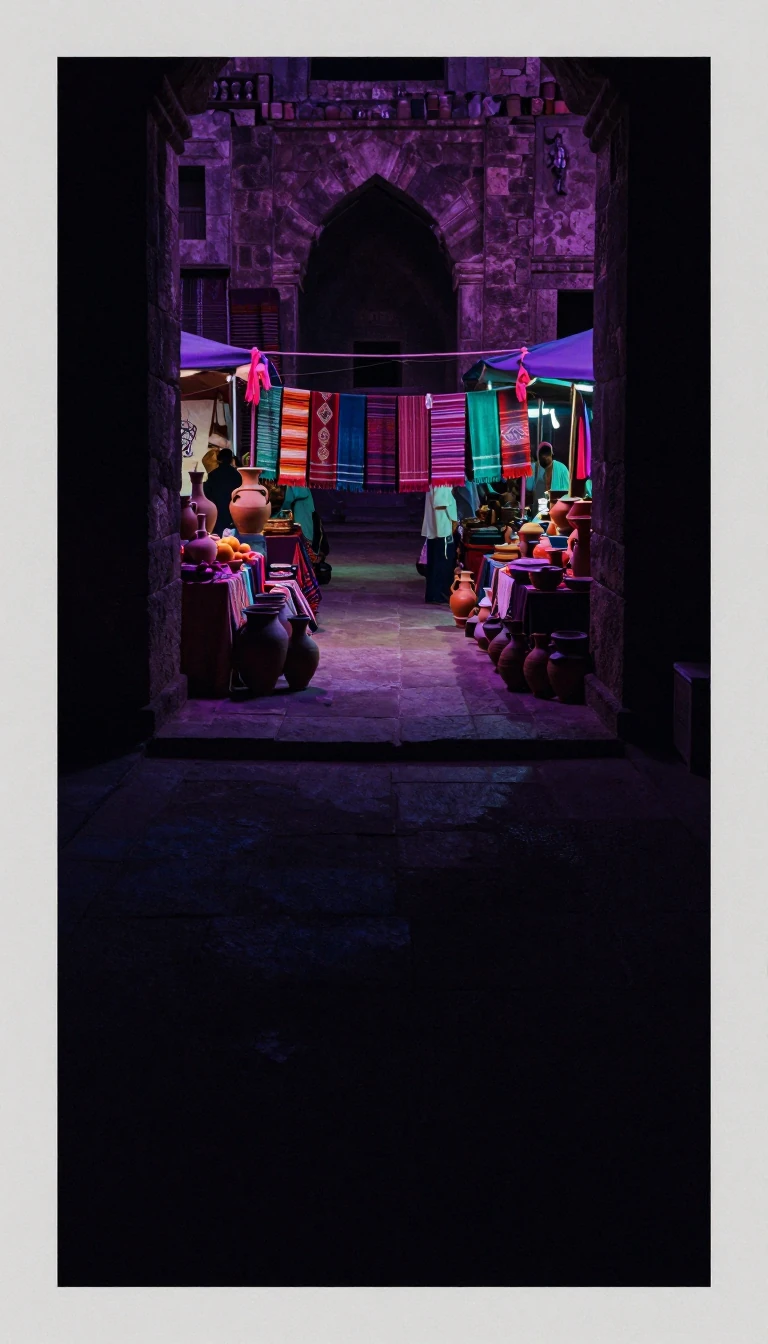
In short: Hassaniya Arabic is a distinct Maghrebi dialect that evolved from the nomadic Beni Hassan tribes. Spoken across a massive swathe of North and West Africa, it is a fascinating linguistic hybrid, blending classical Arabic roots with unique influences from Berber, Niger-Congo, and European colonial languages like French and Spanish.
The origins of Hassaniya Arabic trace back to the 15th through 17th centuries, when Bedouin tribes of Yemeni descent migrated and established influence over regions spanning modern-day Mauritania and Western Sahara. Over time, this dialect completely supplanted the indigenous Berber languages previously spoken in the area. Today, it serves as a primary language for communities in countries including Mali, Senegal, Algeria, and Niger, with approximately three million speakers globally.
Linguistically, Hassaniya is a complex mix of conservative and innovative features. It retains all the phonemes of Classical Arabic, yet it has developed unique sounds through contact with surrounding cultures. For instance, it adopted the emphatic consonant /zˤ/ from Zenaga-Berber and a palatal series from Niger-Congo languages. Furthermore, the influence of French and Spanish in regions like Western Sahara has introduced new sounds and prompted common code-switching practices among educated speakers. The dialect also exhibits a stable phonemic system where classical sounds often exist alongside dialectal variants, sometimes creating double correspondences for the same root.
The structure of the language is equally distinctive. While it follows standard Maghrebi patterns—such as dropping short vowels in open syllables—it maintains specific rules for word-initial vowels that highlight its unique evolution. Interestingly, while the Arabic script is the traditional medium for writing, Senegal officially adopted a Latin-based script for the language in October 2005. This blend of ancient Bedouin heritage and modern, cross-cultural adaptation makes Hassaniya a vital subject for understanding how languages shift and persist across vast, nomadic landscapes.
Opens the Intellect+ feed with this card first. Swipe up for the next one.
Sources
- Summary by Intellect · source: Hassaniya Arabic
To cite this card, link to https://intellectplus.co.uk/app/culture-hassaniya-arabic.
How we source, check and correct cards: Editorial standards.
General information, not professional advice. Spotted an error? Flag the card or see corrections and complaints.
Intellect Plus is a visual educational discovery platform for exploring fascinating facts and ideas. Brain Food, Not Brain Rot. What is Intellect Plus?
Related
More in Festivals & celebrations · More in Cultures · Latest · A–Z · All topics
