The palace where the Congress danced and empires rose
In short: For centuries, Vienna's Hofburg served as the beating heart of the Habsburg dynasty. From 13th-century foundations to its current role as the Austrian President's workplace, this sprawling complex has witnessed the birth of symphonies, the renunciation of heirs, and the high-stakes diplomacy of the Congress of Vienna.
The Hofburg's architecture is a physical timeline of imperial expansion. Originally a 13th-century fortification built by Ottokar II of Bohemia, it evolved from a medieval seat for the Dukes of Austria into the primary winter residence for the Habsburgs. The complex grew through the contributions of various masters, including Baroque architects like Johann Fischer von Erlach and the Italian engineer Filiberto Lucchese. This expansion created a labyrinthine network of wings, such as the Leopoldine Wing, which was rebuilt by Giovanni Pietro Tencala following the 1683 Siege of Vienna.
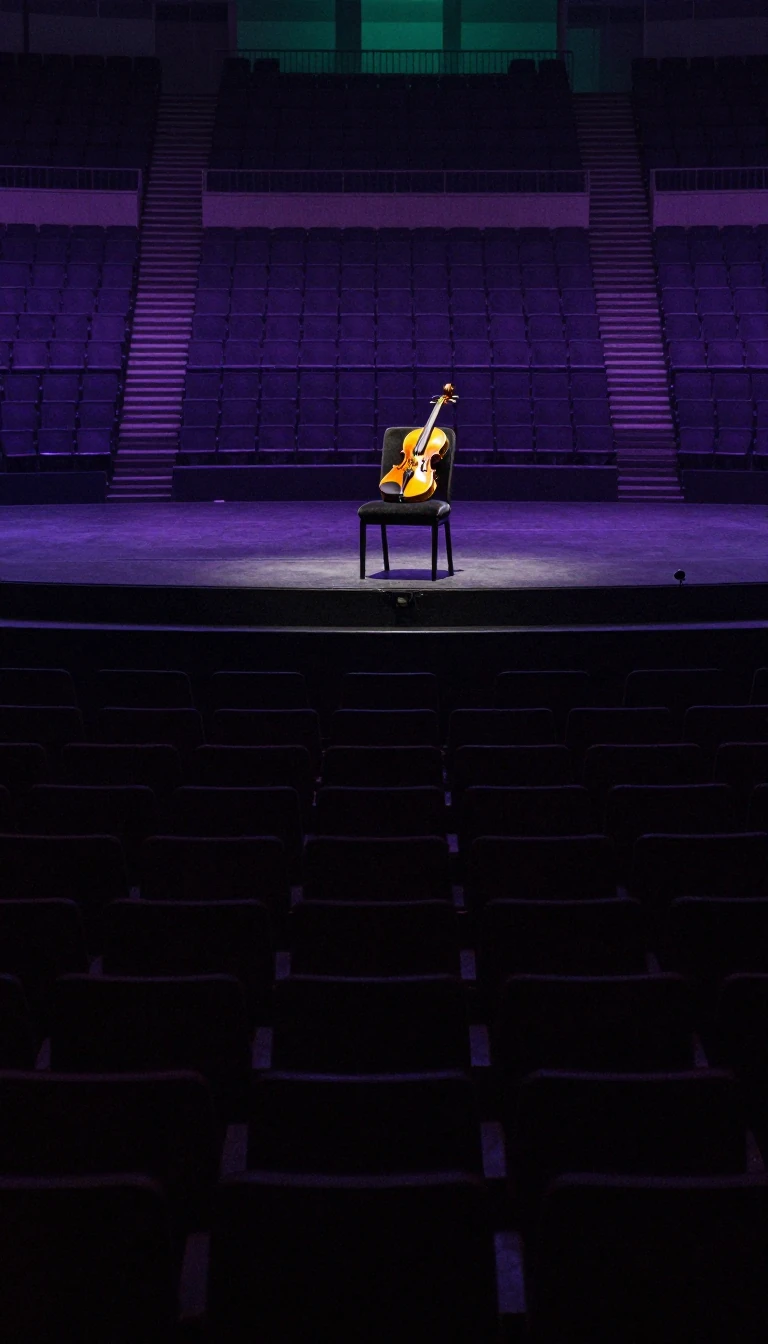
Beyond politics, the palace was a cultural epicenter. The Redoutensäle, converted from a 17th-century opera house by Empress Maria Theresa, became famous for its elegant masked balls. It was here that the phrase 'The Congress dances' originated during the 1814/15 Congress of Vienna, and where Beethoven’s 8th Symphony premiered in 1814. The halls have hosted legends like Liszt and Paganini, with Johann Strauss even serving as the musical director for court festivities.
The palace also holds deep personal and dynastic significance. It is the site where the Archduke Franz Ferdinand renounced his throne claims in 1900 to marry for love, and where Emperor Franz Joseph I and Empress Elisabeth were wed in the Augustinian Church. Today, while it remains the official residence of the Austrian President and houses international bodies like the OSCE, it also functions as a global convention hub, hosting hundreds of thousands of guests annually for everything from trade fairs to imperial-style banquets.
Opens the Intellect+ feed with this card first. Swipe up for the next one.
Sources
- Summary by Intellect · source: Hofburg
To cite this card, link to https://intellectplus.co.uk/app/culture-hofburg.
How we source, check and correct cards: Editorial standards.
General information, not professional advice. Spotted an error? Flag the card or see corrections and complaints.
Intellect Plus is a visual educational discovery platform for exploring fascinating facts and ideas. Brain Food, Not Brain Rot. What is Intellect Plus?
Related
More in Festivals & celebrations · More in Cultures · Latest · A–Z · All topics
