The Tudor dynasty rose from Welsh nobility to rule England for over a century
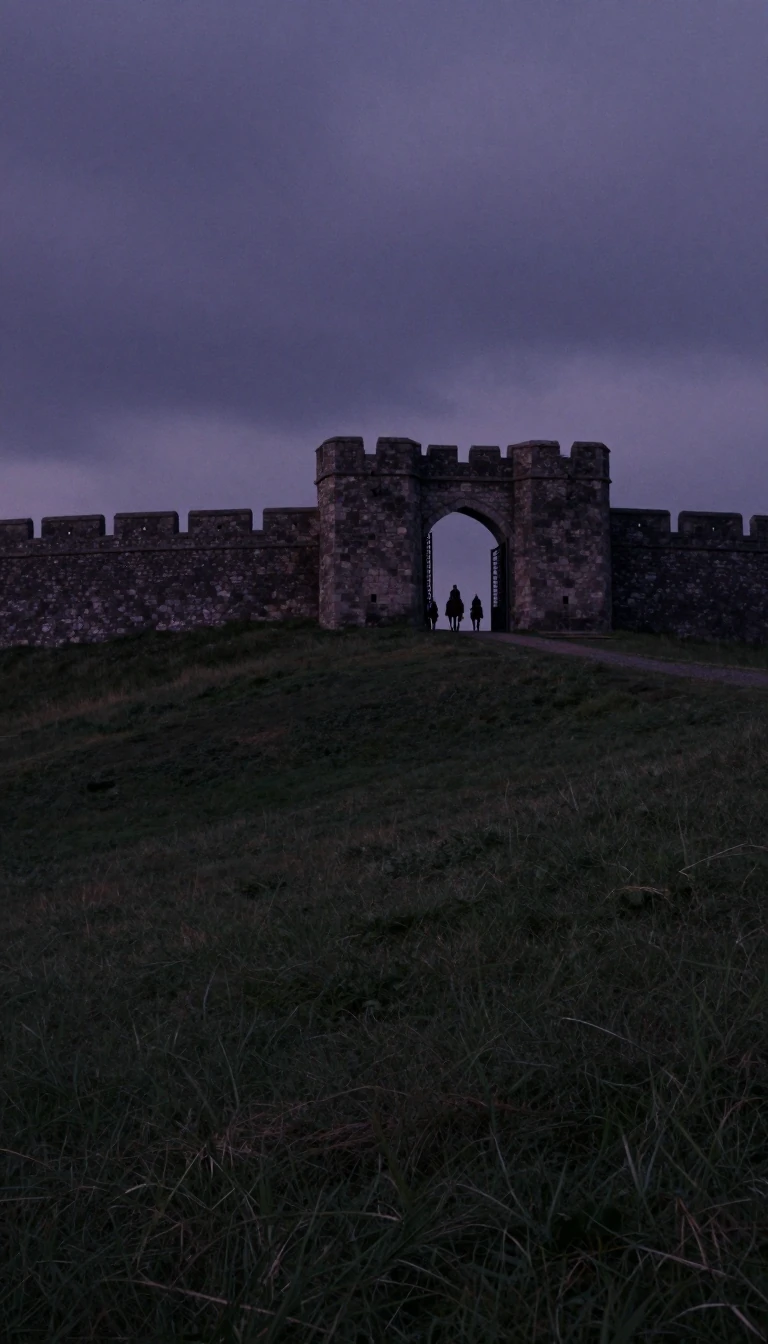
In short: The Tudor era, spanning 1485 to 1603, transformed England from a war-torn kingdom into a centralized power. Beginning with Henry VII’s victory at Bosworth Field, this Welsh-descended dynasty navigated religious upheaval, dynastic instability, and the complex politics of succession, ultimately shaping the modern identity of the British monarchy.
The Tudor dynasty emerged in the aftermath of the Wars of the Roses, a series of conflicts that decimated the House of Lancaster. Henry VII, a descendant of the Welsh Penmynydd family and the legitimised Beaufort line, seized the throne by right of conquest in 1485. To solidify his rule, he married Elizabeth of York in 1486, symbolically uniting the warring Lancastrian and Yorkist factions under the emblem of the Tudor rose. This marriage was crucial, as Elizabeth held the strongest claim to the throne as the daughter of Edward IV.
Henry VIII, the only son of Henry VII to reach maturity, dominated the era. His reign was defined by the English Reformation—a schism with Rome driven by his desperate need for a male heir and his desire to annul his marriage to Catherine of Aragon. This religious break fundamentally altered the English state. Henry’s later years were marked by political volatility, multiple marriages, and the execution of key advisors like Thomas Cromwell. His death in 1547 left the throne to his nine-year-old son, Edward VI, whose short reign saw further religious tension, including the Prayer Book Rebellion.
Following the brief, troubled reigns of Edward VI and Mary I, Elizabeth I provided a period of stability that lasted 44 years. The Elizabethan era remains a hallmark of the dynasty's influence. When Elizabeth died childless in 1603, the crown passed to the Scottish House of Stuart, specifically James VI and I, a descendant of Henry VII’s daughter Margaret. This transition, known as the Union of the Crowns, ended the 118-year Tudor rule, though the family's legacy persisted through the integration of England, Wales, and Ireland under a unified royal authority.
Opens the Intellect+ feed with this card first. Swipe up for the next one.
Sources
- Summary by Intellect · source: House of Tudor
- Also: Art Institute of Chicago — E1: English Great Room of the Late Tudor Period, 1550–1603 · CC0 (data); description CC BY 4.0
- Also: Wikidata — House of Tudor · CC0
To cite this card, link to https://intellectplus.co.uk/app/culture-house-of-tudor.
How we source, check and correct cards: Editorial standards.
General information, not professional advice. Spotted an error? Flag the card or see corrections and complaints.
Intellect Plus is a visual educational discovery platform for exploring fascinating facts and ideas. Brain Food, Not Brain Rot. What is Intellect Plus?
Related
More in UK & Irish culture · More in Cultures · Latest · A–Z · All topics
