The archaeologist who found Tutankhamun may have been a secret thief all along
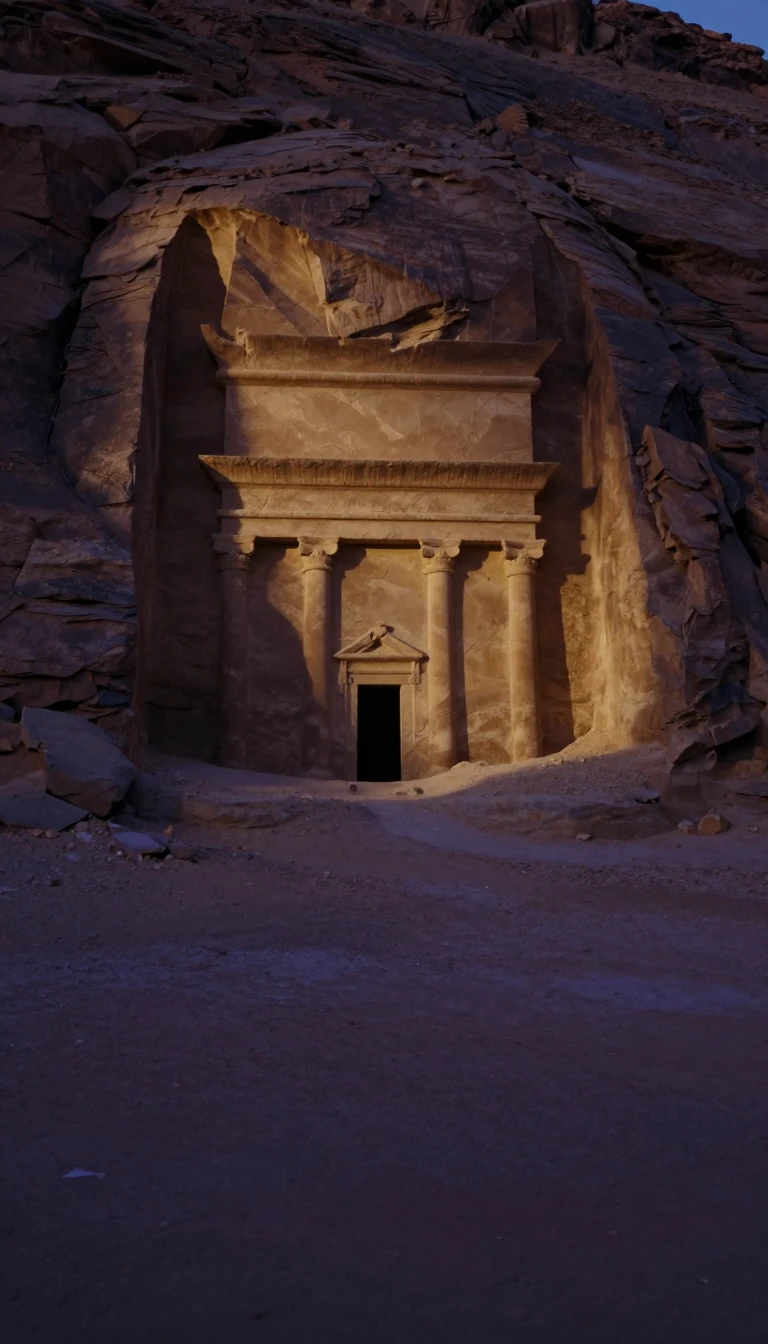
In short: Howard Carter is celebrated for discovering the intact tomb of Tutankhamun in 1922, a feat that ignited global Egyptomania. Yet, recent evidence suggests the man who meticulously catalogued the pharaoh's treasures for a decade may have quietly siphoned off artifacts for his own private collection, complicating his historical legacy.
Born in 1874, Howard Carter began his career as a young artist documenting tomb reliefs before becoming an inspector for the Egyptian Antiquities Service. His reputation for modern, systematic excavation methods led Lord Carnarvon to hire him in 1907 to lead digs in the Valley of the Kings. By 1922, after years of fruitless searching, Carter uncovered the steps leading to KV62, the tomb of Tutankhamun. The discovery was monumental, revealing over 5,000 items, and Carter spent the next decade cataloguing the hoard.
While Carter dismissed the popular 'curse' of the pharaohs as 'tommy-rot,' his own conduct became the subject of scrutiny. In 2022, a 1934 letter from Egyptologist Alan Gardiner surfaced, accusing Carter of stealing an amulet from the tomb. This confirmed long-standing suspicions held by Egyptian authorities that Carter had been siphoning treasures. Following his death in 1939, his executor, Henry Burton, discovered at least 18 items in Carter's possession that had been taken without authorization, which were eventually returned to Egypt.
Carter’s personality was often described as abrasive and hot-tempered, leading to frequent disputes with Egyptian officials and colleagues. He never married and lived an increasingly isolated life after the tomb's clearance. Today, scholars like Eleanor Dobson argue that his actions demand a more critical view of his work, challenging the traditional narrative of archaeological triumph. His life, once defined by the discovery of 'wonderful things,' is now increasingly viewed through the lens of colonial-era entitlement and professional betrayal.
Opens the Intellect+ feed with this card first. Swipe up for the next one.
Sources
- Summary by Intellect · source: Howard Carter
- Also: www.britannica.com — Howard Carter | Egyptologist, Tutankhamun, & Discoverer | Britannica
To cite this card, link to https://intellectplus.co.uk/app/culture-howard-carter.
How we source, check and correct cards: Editorial standards.
General information, not professional advice. Spotted an error? Flag the card or see corrections and complaints.
Intellect Plus is a visual educational discovery platform for exploring fascinating facts and ideas. Brain Food, Not Brain Rot. What is Intellect Plus?
Related
More in UK & Irish culture · More in Cultures · Latest · A–Z · All topics
