The Indian elephant is a cultural icon, but its wild future remains deeply uncertain
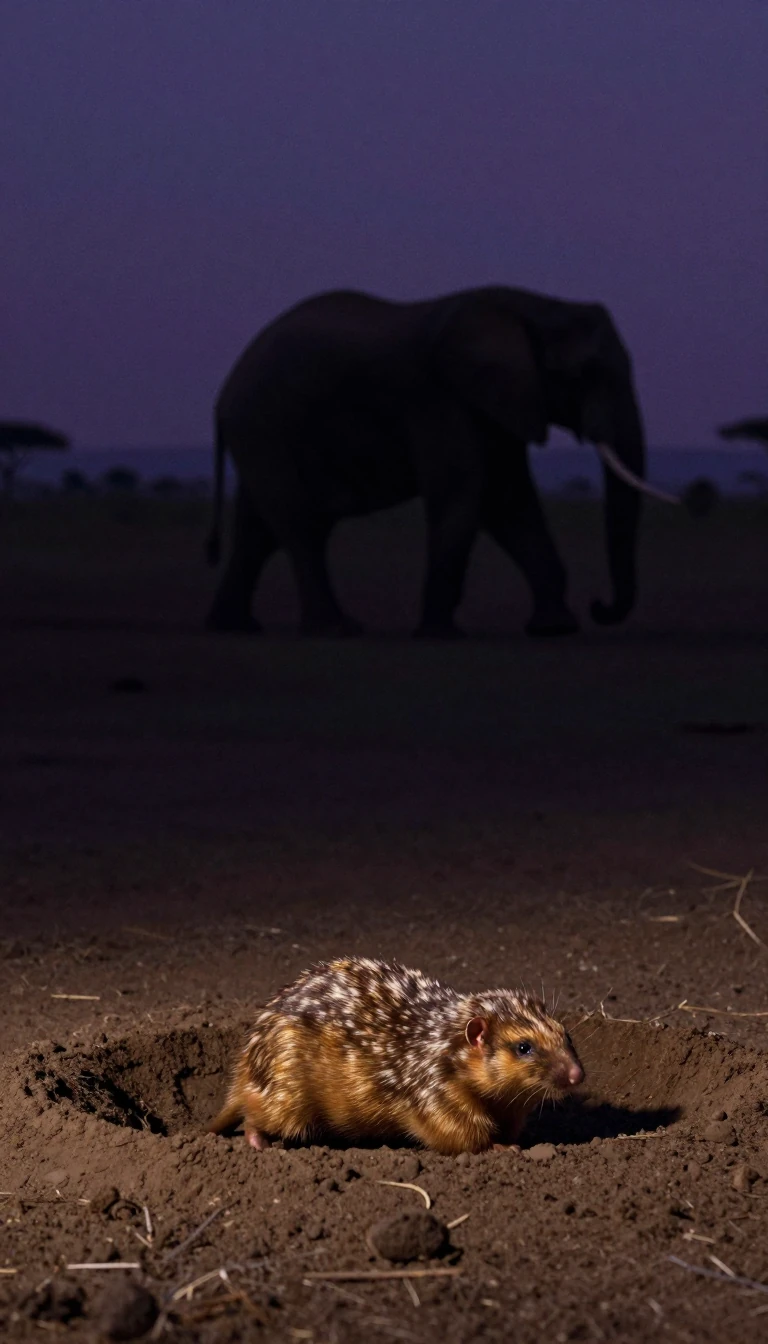
In short: Revered as a deity and designated a national heritage animal, the Indian elephant is a cornerstone of Asian culture. Yet, this megaherbivore faces a precarious existence. Fragmented habitats, poaching, and human-wildlife conflict have pushed the species toward a critical decline, necessitating massive conservation efforts to ensure its long-term survival.
The Indian elephant, a subspecies of the Asian elephant, is a massive creature, with males reaching average shoulder heights of 2.75 meters and weights of 4,000 kilograms. These highly intelligent animals possess complex social structures, typically living in herds of related females and their offspring. Their lives are defined by long-term learning from elders, sophisticated communication through infrasonic rumbles, and a gestation period of 22 months—the longest of any animal.
Despite their cultural significance, these elephants are in trouble. Since 1986, the species has been recognized as facing a high risk of extinction in the wild, with populations dropping by at least half over the last three generations. The primary drivers are habitat loss and fragmentation caused by human expansion, which forces elephants into dangerous proximity with people, leading to lethal conflicts. Additionally, poaching for ivory remains a persistent threat, which not only kills individuals but also severely skews sex ratios, reducing the genetic diversity and reproductive potential of remaining herds.
In response, India launched Project Elephant in 1992 to protect migration corridors and habitats. Today, the country manages 33 notified elephant reserves covering over 80,000 square kilometers. However, the threats are multifaceted. Beyond poaching and habitat encroachment, elephants face accidental deaths from train collisions and electrocution from power infrastructure. While these animals are deeply embedded in religious traditions—revered as Ganesha in Hinduism and honored in Buddhist rituals—their survival depends on managing the delicate balance between their need for vast, connected landscapes and the demands of a growing human population.
Opens the Intellect+ feed with this card first. Swipe up for the next one.
Sources
- Summary by Intellect · source: Indian elephant
To cite this card, link to https://intellectplus.co.uk/app/culture-indian-elephant.
How we source, check and correct cards: Editorial standards.
General information, not professional advice. Spotted an error? Flag the card or see corrections and complaints.
Intellect Plus is a visual educational discovery platform for exploring fascinating facts and ideas. Brain Food, Not Brain Rot. What is Intellect Plus?
Related
More in US culture · More in Cultures · Latest · A–Z · All topics
