Why Indian reservations are sovereign enclaves with their own complex legal systems
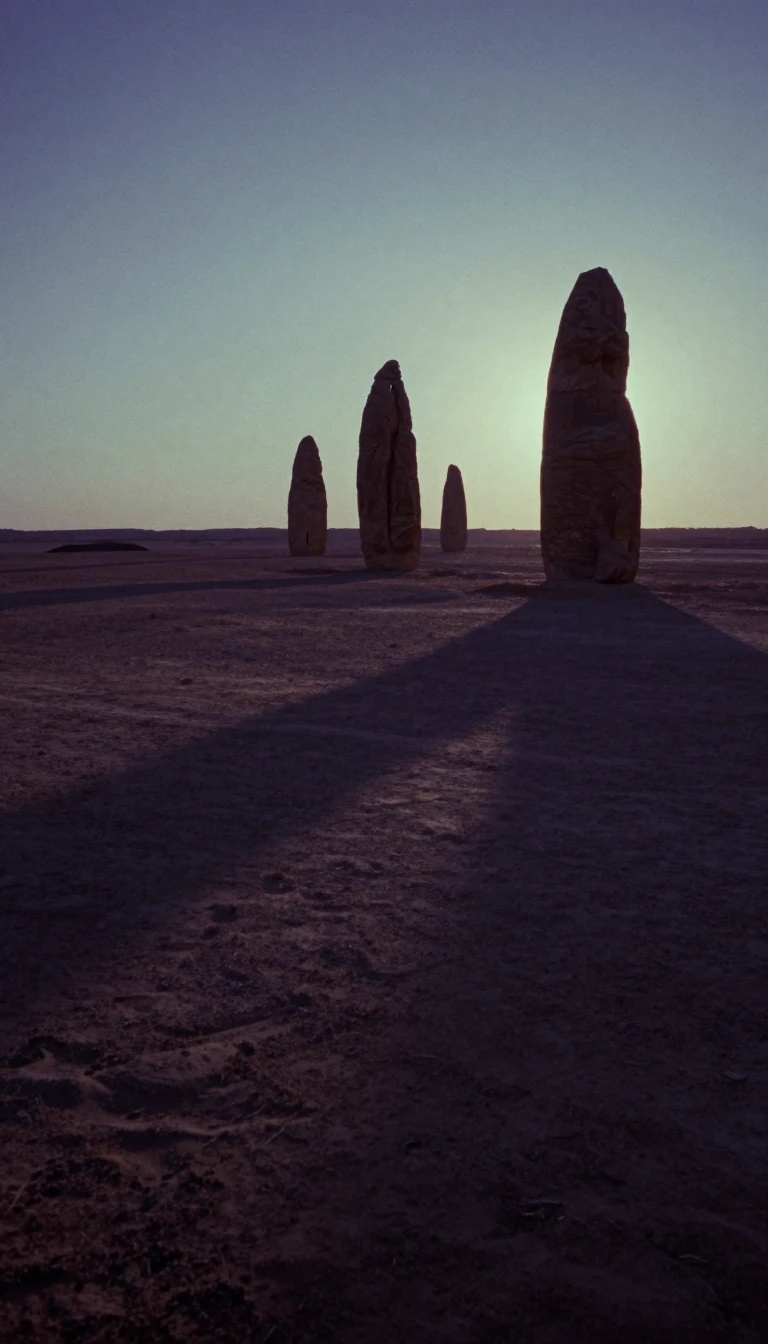
In short: An Indian reservation is not merely a plot of land; it is a legally designated area held by a federally recognized tribe, operating with limited sovereignty. These autonomous regions exist outside state and local jurisdiction, creating a unique legal landscape where tribal councils govern and federal law holds sway.
The concept of the reservation emerged from the view of Native American nations as independent sovereigns during the ratification of the U.S. Constitution. Early treaties, often signed under duress or fraud, forced nations to surrender vast territories while 'reserving' specific parcels for themselves. Over time, the federal government systematized this through policies like the Indian Removal Act of 1830, which facilitated the forced migration of groups like the Five Civilized Tribes along the Trail of Tears. By 1868, President Ulysses S. Grant’s 'Peace Policy' attempted to relocate tribes to designated lands, though this often led to conflict, corruption, and the erosion of tribal autonomy.
The legal status of these lands has shifted dramatically through federal legislation. The 1887 Dawes Act fragmented reservations by allotting land to individuals, often selling 'excess' acreage to non-Native settlers. This was later reversed by the 1934 Indian Reorganization Act, which sought to restore tribal land management. Today, there are 574 federally recognized tribes governing 326 reservations, covering about 56.2 million acres—roughly 2.3% of the total U.S. land area. These reservations are not subject to state or local laws, allowing for distinct governance, such as the operation of casinos in states where gambling is otherwise prohibited.
Jurisdiction remains a complex, evolving frontier. While tribes exercise self-governance, court authority is often shared between tribal and federal entities. Recent Supreme Court rulings, such as the 2020 McGirt v. Oklahoma decision, reaffirmed that certain lands remain 'Indian Country' for criminal law purposes, while the 2022 Oklahoma v. Castro-Huerta ruling granted state courts concurrent jurisdiction over specific crimes. Despite these legal protections, reservations are disproportionately located near hazardous sites, and many Native Americans live outside these areas, with only about 1 million of the 2.5 million Native Americans residing on reservations as of 2012.
Opens the Intellect+ feed with this card first. Swipe up for the next one.
Sources
- Summary by Intellect · source: Indian reservation
To cite this card, link to https://intellectplus.co.uk/app/culture-indian-reservation.
How we source, check and correct cards: Editorial standards.
General information, not professional advice. Spotted an error? Flag the card or see corrections and complaints.
Intellect Plus is a visual educational discovery platform for exploring fascinating facts and ideas. Brain Food, Not Brain Rot. What is Intellect Plus?
Related
More in US culture · More in Cultures · Latest · A–Z · All topics
