How a medieval bridge crossing became a global hub for winter sports and politics
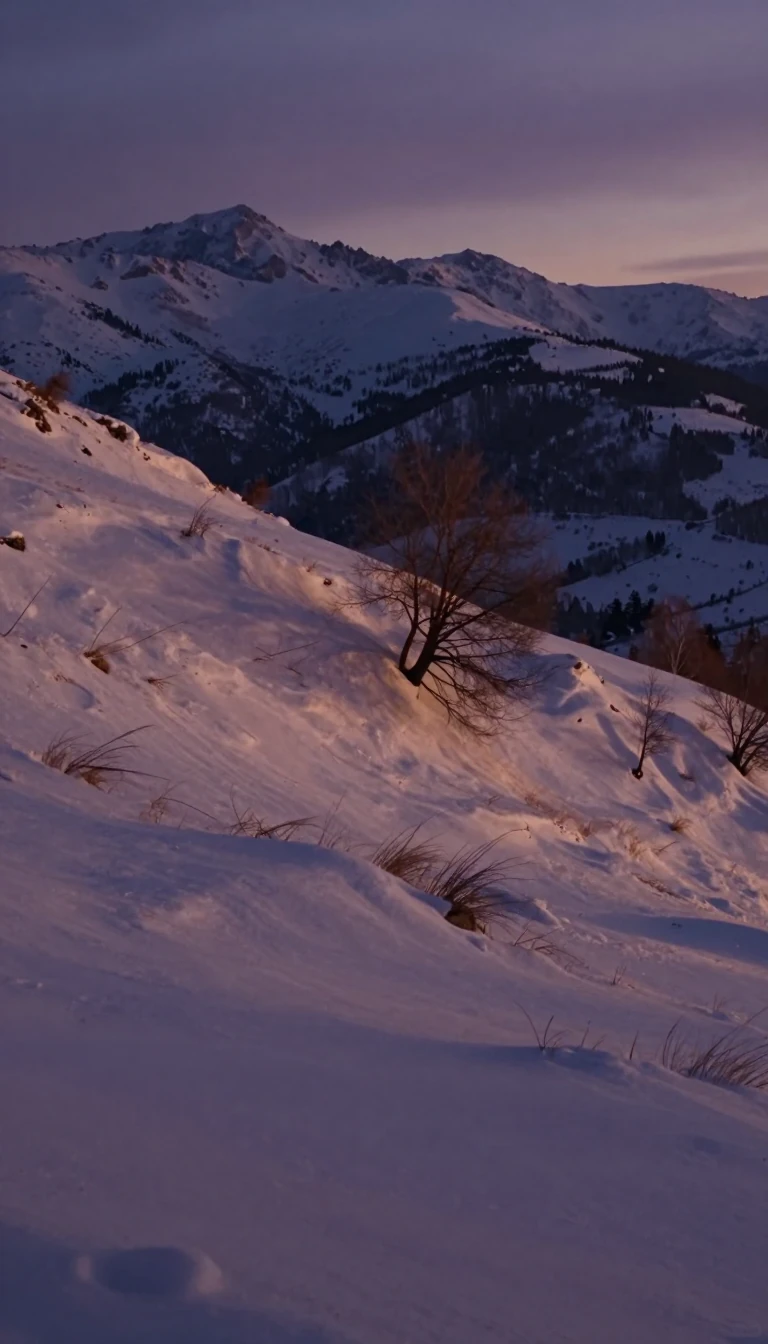
In short: Nestled in an Alpine valley, Innsbruck evolved from a strategic medieval river crossing into a residence for Habsburg emperors and a modern Olympic host. Its history spans from Roman army stations to a Nazi-era detention site, reflecting the complex, layered identity of this resilient capital of the Austrian state of Tyrol.
Innsbruck, meaning bridge over the Inn, emerged in the Middle Ages as a vital transit point on the Via Imperii. Its location at the junction of the Wipp Valley and the Inn River made it a gateway to the Brenner Pass, the easiest route across the Alps. By 1363, the city fell under Habsburg control, eventually becoming a political and cultural center under Emperor Maximilian I in the 1490s. His influence left a lasting mark, including the Golden Roof and the elaborate cenotaph in the Hofkirche, which features bronze statues of his ancestors.
The city's strategic importance often drew it into wider conflicts. During the Napoleonic Wars, it became the center of a peasant uprising led by Andreas Hofer, who remains a local martyr. Later, in the 20th century, the city suffered twenty-two air raids during World War II and hosted subcamps of the Dachau concentration camp, where prominent hostages—including former French Prime Minister Léon Blum and former Austrian Chancellor Kurt Schuschnigg—were held. Despite this turbulent past, Innsbruck has successfully reinvented itself as an international center for winter sports, hosting the Winter Olympics in 1964 and 1976, as well as several Youth Olympics and Paralympics.
Today, Innsbruck is a city of 132,188 residents, characterized by its unique alpine-influenced climate and high diurnal temperature variations. It serves as the capital of Tyrol and remains a focal point for regional integration, notably through the Euroregion Tyrol-South Tyrol-Trentino, established in 1996. The city’s administrative structure, divided into nine boroughs, manages a diverse population where nearly 20% are aged 65 or older. From its origins as a Roman army station called Veldidena to its current status as a hub for culture and sport, Innsbruck remains a testament to the endurance of alpine urban centers.
Opens the Intellect+ feed with this card first. Swipe up for the next one.
Sources
- Summary by Intellect · source: Innsbruck
To cite this card, link to https://intellectplus.co.uk/app/culture-innsbruck.
How we source, check and correct cards: Editorial standards.
General information, not professional advice. Spotted an error? Flag the card or see corrections and complaints.
Intellect Plus is a visual educational discovery platform for exploring fascinating facts and ideas. Brain Food, Not Brain Rot. What is Intellect Plus?
Related
More in US culture · More in Cultures · Latest · A–Z · All topics
