How a medieval family name became the heart of the European Alps
In short: Tirol is more than a postcard-perfect Alpine state; it is a region defined by its rugged geography and a turbulent history of shifting borders. Once a strategic bargaining chip between empires, this Austrian territory remains a vital transit corridor, balancing ancient pastoral traditions with a modern, specialized industrial economy.
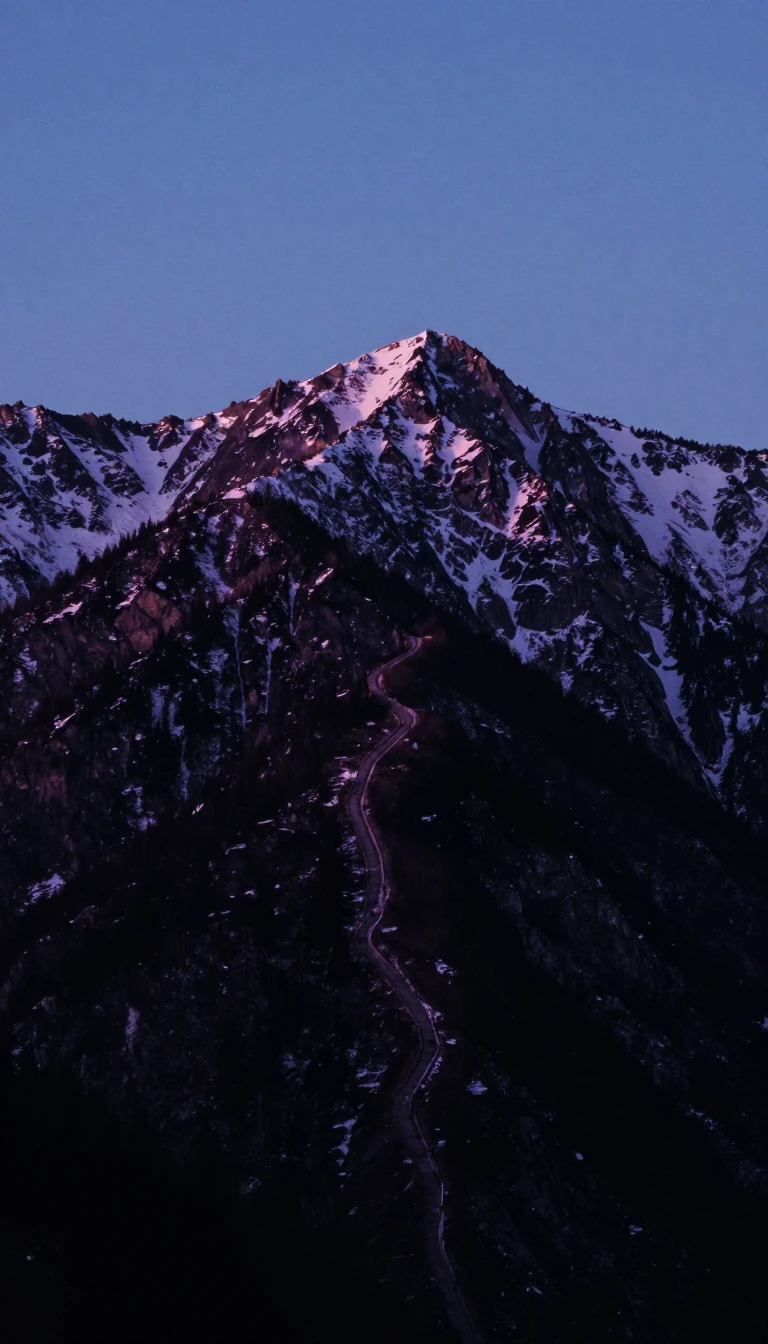
The state of Tirol, located in western Austria, is a land of dramatic verticality. It consists of two non-contiguous parts: North Tirol and East Tirol, separated by the Austrian state of Salzburg. The region is defined by the Central Alps and the Limestone Alps, featuring ranges like the Ötztaler, Zillertaler, and the rugged Karwendel. The Inn River traverses the north, while the Drava drains the east. This terrain, while challenging, has made the region a premier destination for winter sports and mountaineering, supported by a climate that varies significantly between the wet northern slopes and the drier, milder inner-Alpine valleys.
The name Tirol originated from a castle near Meran, now in Italy. By 1150, the family associated with the name served as land agents for the bishops of Trent. Their power grew rapidly; by 1248, they acquired extensive lands from the bishop of Brixen, and by 1271, they had effectively replaced ecclesiastical authority. The region’s strategic importance as a link between Italy and Germany made it a frequent pawn in European power struggles. In 1363, the territory passed to the Habsburgs, who maintained control until 1918. The area was even used as a diplomatic bargaining counter in 1617, when it was traded between the Austrian archduke Ferdinand and Philip III of Spain.
The modern political geography of Tirol was forged in the aftermath of World War I. Following the dissolution of Austria-Hungary, the southern portion of the historical region was ceded to Italy, a division that persists today despite historical objections. Within Austria, the population is concentrated in the valleys, particularly around the capital, Innsbruck. While rural life remains anchored in forestry and cattle farming, the state has successfully integrated modern pharmaceutical and electrotechnical industries. Today, Tirol stands as a unique blend of historical resilience, where ancient transit routes like the Brenner Pass continue to facilitate the movement of people and goods across the heart of Europe.
Opens the Intellect+ feed with this card first. Swipe up for the next one.
Sources
- Summary by Intellect · source: Tirol | Austria, Map, History, & Facts | Britannica
- Also: Tyrol (state)
To cite this card, link to https://intellectplus.co.uk/app/places-tyrol-state.
How we source, check and correct cards: Editorial standards.
General information, not professional advice. Spotted an error? Flag the card or see corrections and complaints.
Intellect Plus is a visual educational discovery platform for exploring fascinating facts and ideas. Brain Food, Not Brain Rot. What is Intellect Plus?
Related
More in Regions and country subdivisions · More in Countries & Cities · Latest · A–Z · All topics
