Did a single ancestral language give birth to the diverse tongues of ancient Italy?
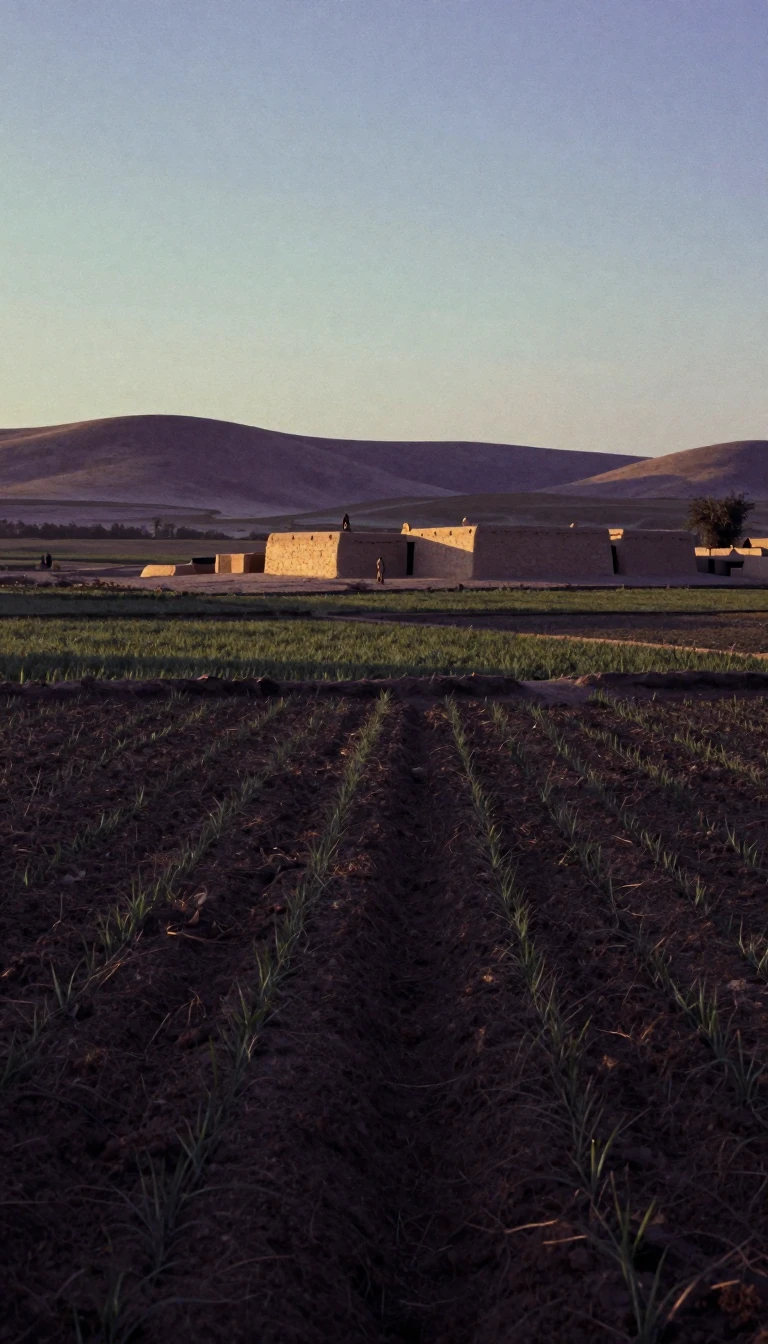
In short: The Italic language family, which includes Latin and its extinct relatives like Oscan and Umbrian, remains a subject of intense academic debate. While many scholars argue these languages share a common origin, others suggest they arrived in the Italian peninsula as distinct, unrelated tongues that converged over centuries of contact.
The Italic branch of the Indo-European family encompasses the languages spoken across the Italian peninsula during the first millennium BC. Latin, the language of Rome, eventually eclipsed its neighbors as the Roman Republic expanded its dominion. By the first century AD, these other languages—including Faliscan, Umbrian, and Oscan—had largely vanished, their speakers assimilated into the Roman Empire and transitioned to Latin. This process ultimately laid the groundwork for the modern Romance languages, which today count over 900 million native speakers.
The origins of these languages are shrouded in mystery. Historians generally believe they descended from Indo-European migrants who entered the region during the second half of the second millennium BC, potentially associated with the Terramare and Proto-Villanovan cultures. However, the exact nature of this migration is contested. While a dominant theory posits a single 'Proto-Italic' ancestor, some linguists argue that no such language can be reconstructed. Instead, they propose that multiple, distantly related Indo-European languages entered Europe separately, only appearing to share a common lineage due to long-term linguistic convergence, or a 'sprachbund' effect.
Evidence for these ancient tongues is primarily epigraphic, relying on inscriptions discovered by archaeologists. The most significant non-Latin languages, Osco-Umbrian, are known through artifacts like the Iguvine Tables and the Cippus Abellanus. These languages share specific grammatical innovations with Latin, such as the use of the *-fā-* suffix in the imperfect indicative. Despite these shared traits, the lack of a clear 'early Italic' record—unlike the Mycenaean Greek evidence—means that the precise history of how these languages developed remains one of the most persistent puzzles in historical linguistics.
Opens the Intellect+ feed with this card first. Swipe up for the next one.
Sources
- Summary by Intellect · source: Italic languages
- Also: Italic languages | Latin, Oscan, Umbrian & Faliscan | Britannica
To cite this card, link to https://intellectplus.co.uk/app/culture-italic-languages.
How we source, check and correct cards: Editorial standards.
General information, not professional advice. Spotted an error? Flag the card or see corrections and complaints.
Intellect Plus is a visual educational discovery platform for exploring fascinating facts and ideas. Brain Food, Not Brain Rot. What is Intellect Plus?
Related
More in Languages · More in Cultures · Latest · A–Z · All topics
