James V of Scotland: A Renaissance King Caught Between Paranoia and Artistic Grandeur
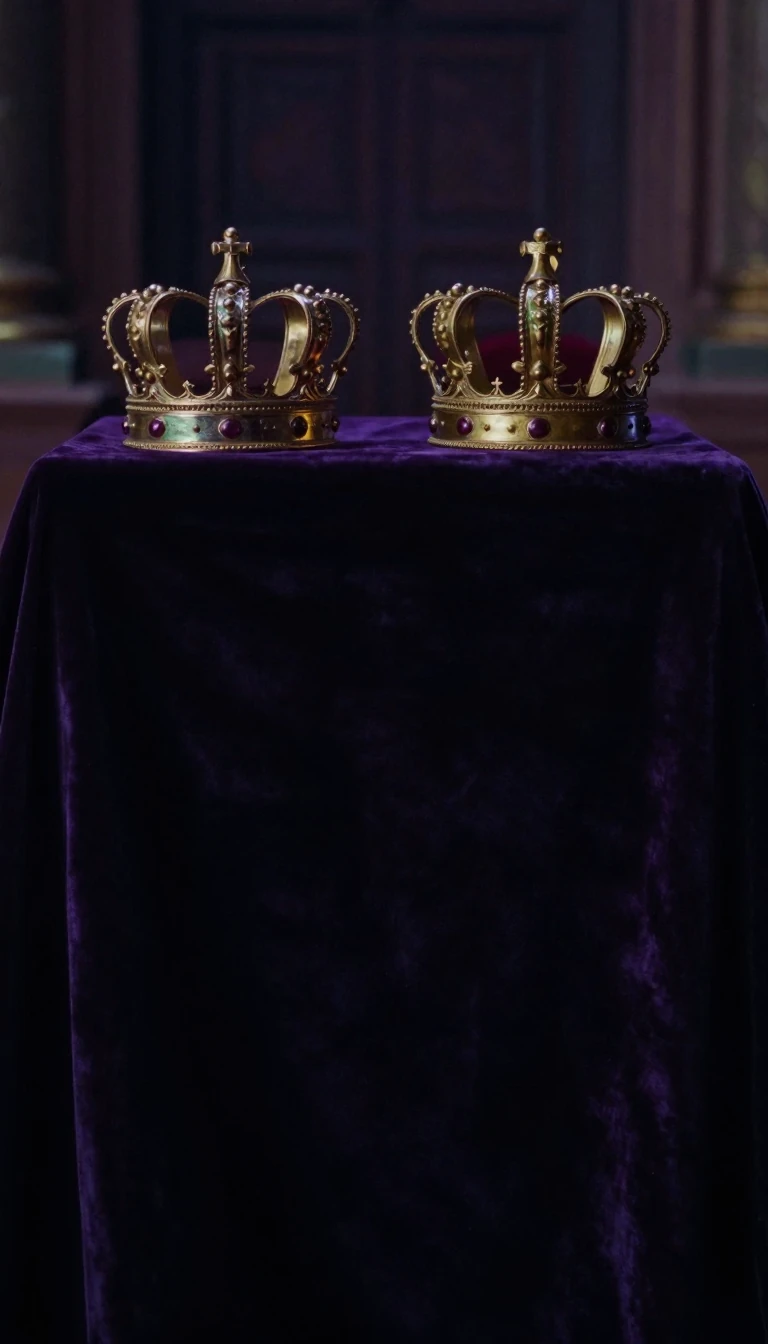
In short: Crowned at seventeen months, James V navigated a childhood of imprisonment by rival factions before seizing power. He became a paradox: a ruthless monarch who enriched the crown through legal reform and church taxation, yet a patron who transformed Scotland’s landscape with the earliest Renaissance architecture in the British Isles.
James V’s reign, spanning 1513 to 1542, began in the shadow of the Battle of Flodden, where his father died. His long minority was defined by a power struggle between his mother, Margaret Tudor, and the Duke of Albany, as well as his own forced detention by the Earl of Angus. This turbulent upbringing left a lasting mark; once James assumed personal rule in 1528, his governance was characterized by a deep-seated suspicion of his nobility and a relentless pursuit of wealth.
To stabilize his finances, James tightened control over royal estates and exploited his position during the Reformation. When his uncle, Henry VIII, broke with Rome, James leveraged his diplomatic value to the papacy, securing the title of Defender of the Faith in 1537 and gaining the right to tax monastic incomes. He also established the College of Justice in 1532 to improve legal administration and curb lawlessness in the Borders and the Hebrides. His reign was marked by a firm defense of Catholicism, leading to the persecution of early Protestants like Patrick Hamilton.
Beyond politics, James was a significant patron of the arts. He spent at least £41,000 on ambitious construction projects, including the Renaissance-style facades at Falkland Palace and the Royal Palace at Stirling Castle. His diplomatic strategy relied heavily on the Auld Alliance with France, resulting in two strategic marriages: first to Madeleine of Valois and later to Mary of Guise. Despite his efforts to centralize power and modernize royal residences, his death in 1542 following the Battle of Solway Moss left the throne to his six-day-old daughter, Mary, ending the direct male line of the Stewart dynasty.
While some contemporaries viewed him as a vindictive king obsessed with land appropriation, others saw him as the 'poor man's king' for his accessibility to the common people. His life remains a study in contradictions—a ruler who spoke halting French but built in the French style, and a king who sought to project imperial strength while navigating the precarious realities of sixteenth-century European power politics.
Opens the Intellect+ feed with this card first. Swipe up for the next one.
Sources
- Summary by Intellect · source: James V
- Also: James V | House of Stewart, Renaissance, Reformation | Britannica
To cite this card, link to https://intellectplus.co.uk/app/culture-james-v.
How we source, check and correct cards: Editorial standards.
General information, not professional advice. Spotted an error? Flag the card or see corrections and complaints.
Intellect Plus is a visual educational discovery platform for exploring fascinating facts and ideas. Brain Food, Not Brain Rot. What is Intellect Plus?
Related
More in UK & Irish culture · More in Cultures · Latest · A–Z · All topics
