From slit-mouthed women to ghost passengers, Japan's urban legends mirror modern anxieties.
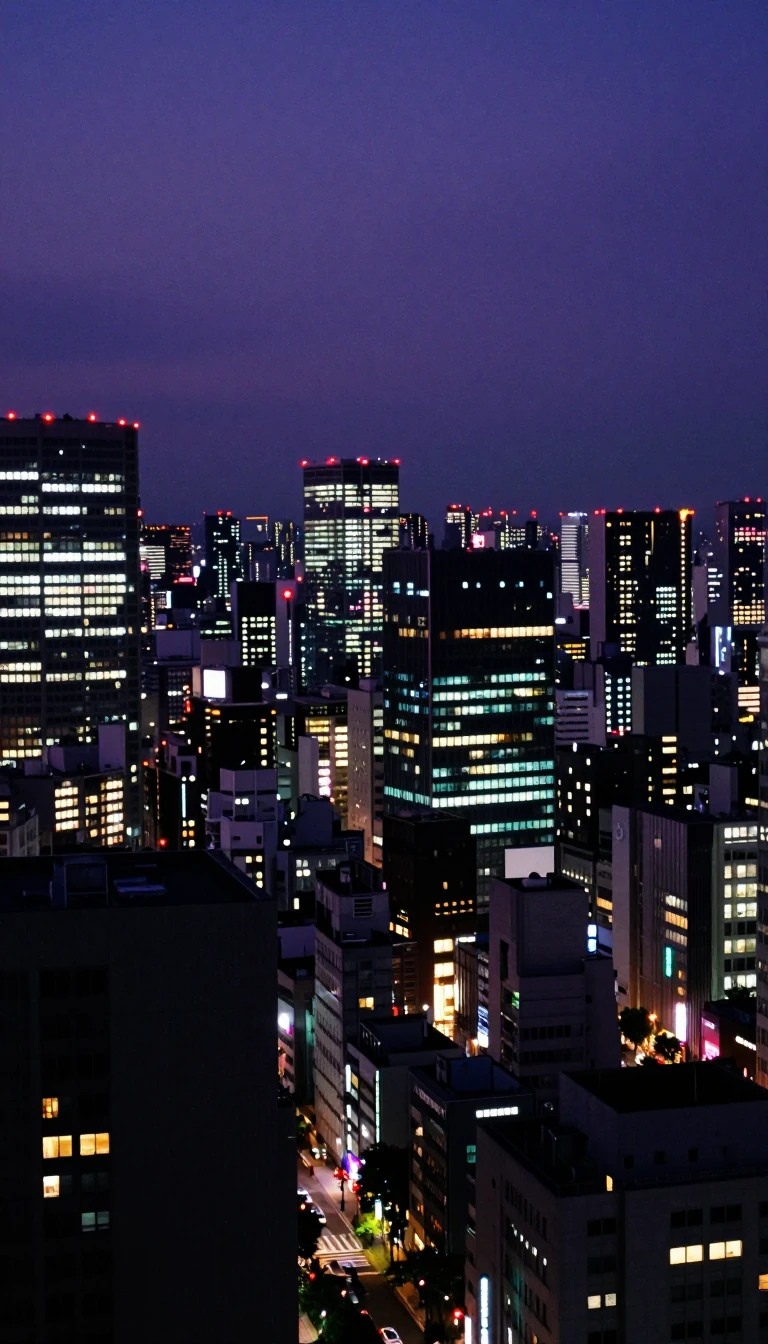
In short: Japanese urban legends are folklore circulated as truth, often blending paranormal entities with contemporary settings like schools or transit systems. While some serve as cautionary tales, others reflect deep-seated cultural fears. These stories evolve rapidly, moving from traditional oral accounts to internet-born phenomena that captivate and terrify a digital generation.
Japanese urban legends, or Nihon no toshi densetsu, frequently feature yūrei—Japanese ghosts—rather than traditional yōkai. These narratives often manifest in mundane environments, transforming familiar spaces into sites of dread. For instance, the legend of the 'ghost passenger' involves taxi drivers picking up cold or drenched individuals who vanish before reaching their destination, leaving behind only a puddle or a fare. Psychiatrist Keizo Hara has suggested these encounters may be collective post-traumatic stress disorder or grief-induced hallucinations, particularly following the 2011 Tōhoku earthquake and tsunami.
Some legends are rooted in historical events, though their details are often distorted. The 1932 Shirokiya Department Store fire in Tokyo, which claimed 14 lives, birthed a persistent rumor that saleswomen in kimonos died because they refused to jump into safety nets to avoid exposing their lack of underwear. Professor Shoichi Inoue has debunked this, noting that the story was likely a fabrication for Western consumption, yet it remains a staple in many reference books. Similarly, the 'Sony Timer'—a rumored device designed to force hardware failure after warranty expiration—highlights modern anxieties regarding planned obsolescence, despite no evidence supporting its existence.
The digital age has accelerated the spread of these tales. The 'Red Room' curse, an early internet legend, involves a pop-up ad that predicts a user's death, while the 2004 story of 'Kisaragi Station' emerged on the 2channel forum. In the latter, a user named Hasumi claimed to be trapped at a non-existent station, documenting her terrifying ordeal in real-time before vanishing. Whether through the vengeful spirit of Teke Teke, a girl cut in half by a train, or the malevolent Kuchisake-onna, these legends function as a psychological mirror, reflecting the specific fears and social pressures of the society that keeps them alive.
Opens the Intellect+ feed with this card first. Swipe up for the next one.
Sources
- Summary by Intellect · source: Japanese urban legends
To cite this card, link to https://intellectplus.co.uk/app/culture-japanese-urban-legends.
How we source, check and correct cards: Editorial standards.
General information, not professional advice. Spotted an error? Flag the card or see corrections and complaints.
Intellect Plus is a visual educational discovery platform for exploring fascinating facts and ideas. Brain Food, Not Brain Rot. What is Intellect Plus?
Related
More in UK & Irish culture · More in Cultures · Latest · A–Z · All topics
