Boston's tallest skyscraper was once mocked as the world's tallest wooden building
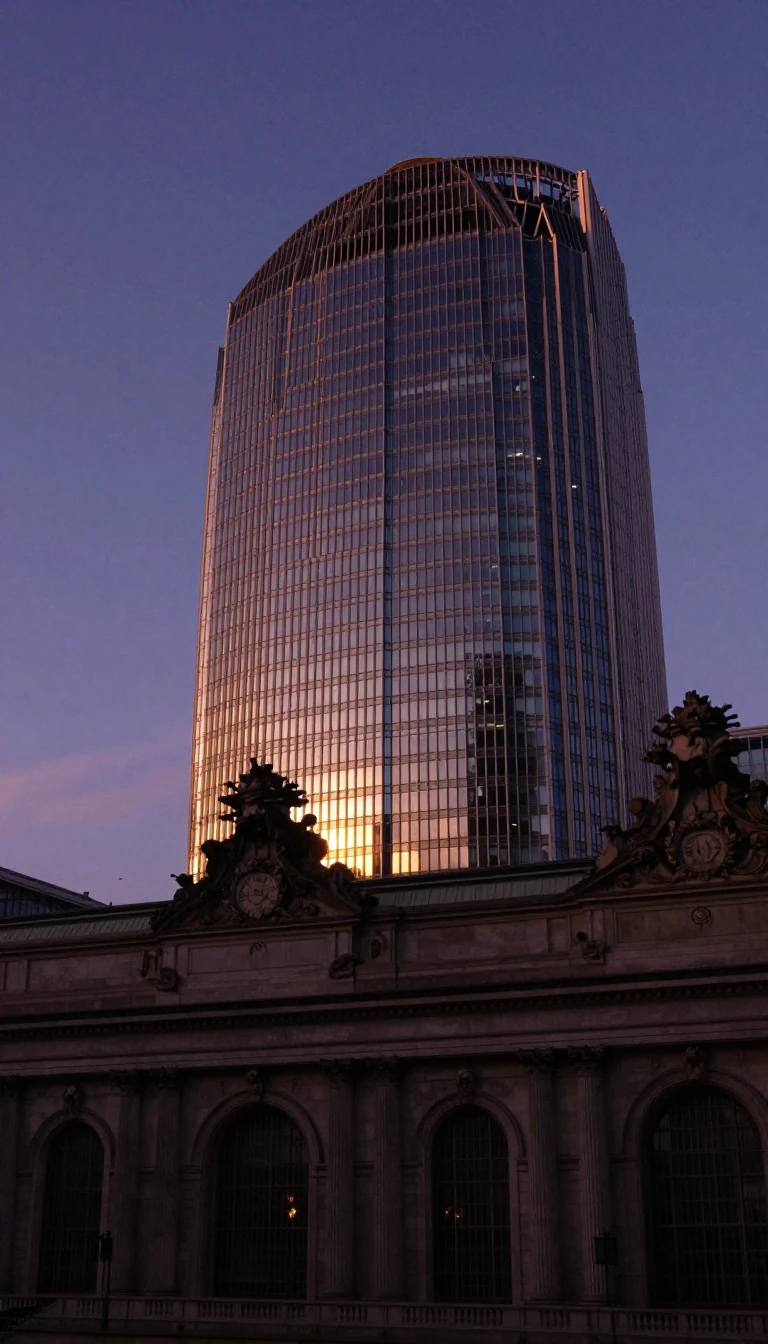
In short: Completed in 1976, the John Hancock Tower was a modernist masterpiece that quickly became an engineering nightmare. From falling glass panes to structural instability that threatened to topple the building, the tower's early years were defined by public embarrassment, plywood patches, and a desperate race to keep the skyscraper standing.
Designed by Henry N. Cobb of I. M. Pei & Partners, the 60-story tower was intended as a minimalist icon. However, construction was plagued by failures. Excavation for the foundation damaged nearby historic structures, including Trinity Church, leading to an $11 million lawsuit. Once the steel frame rose, the building's signature blue glass began detaching, with 500-pound panes crashing to the sidewalk. Winds as low as 45 mph forced police to close surrounding streets, and the tower was soon nicknamed the Plywood Palace as hundreds of windows were replaced with wooden boards.
The problems went deeper than the facade. Engineers discovered the building could potentially overturn under specific wind loads, necessitating the addition of 1,500 tons of diagonal steel bracing. To combat the swaying that caused motion sickness among upper-floor occupants, contractors installed a $3 million tuned mass damper on the 58th floor. This system utilized two 300-ton lead-filled steel weights that slid on lubricated plates, acting like a gyroscope to stabilize the structure against twisting forces.
The glass failure was eventually traced to the resilient bonding between the inner and outer panes, which failed to absorb thermal stresses, causing the glass to shatter. Replacing all 10,344 panes cost between $5 million and $7 million. Despite these early crises, the building eventually earned architectural acclaim, receiving the American Institute of Architects' Twenty-five Year Award in 2011. In 2015, following the expiration of the lease held by John Hancock Financial Services, the building was officially renamed 200 Clarendon Street.
Opens the Intellect+ feed with this card first. Swipe up for the next one.
Sources
- Summary by Intellect · source: John Hancock Tower
To cite this card, link to https://intellectplus.co.uk/app/culture-john-hancock-tower.
How we source, check and correct cards: Editorial standards.
General information, not professional advice. Spotted an error? Flag the card or see corrections and complaints.
Intellect Plus is a visual educational discovery platform for exploring fascinating facts and ideas. Brain Food, Not Brain Rot. What is Intellect Plus?
Related
More in US culture · More in Cultures · Latest · A–Z · All topics
