The 1665 pamphlet that birthed the modern era of academic scientific publishing
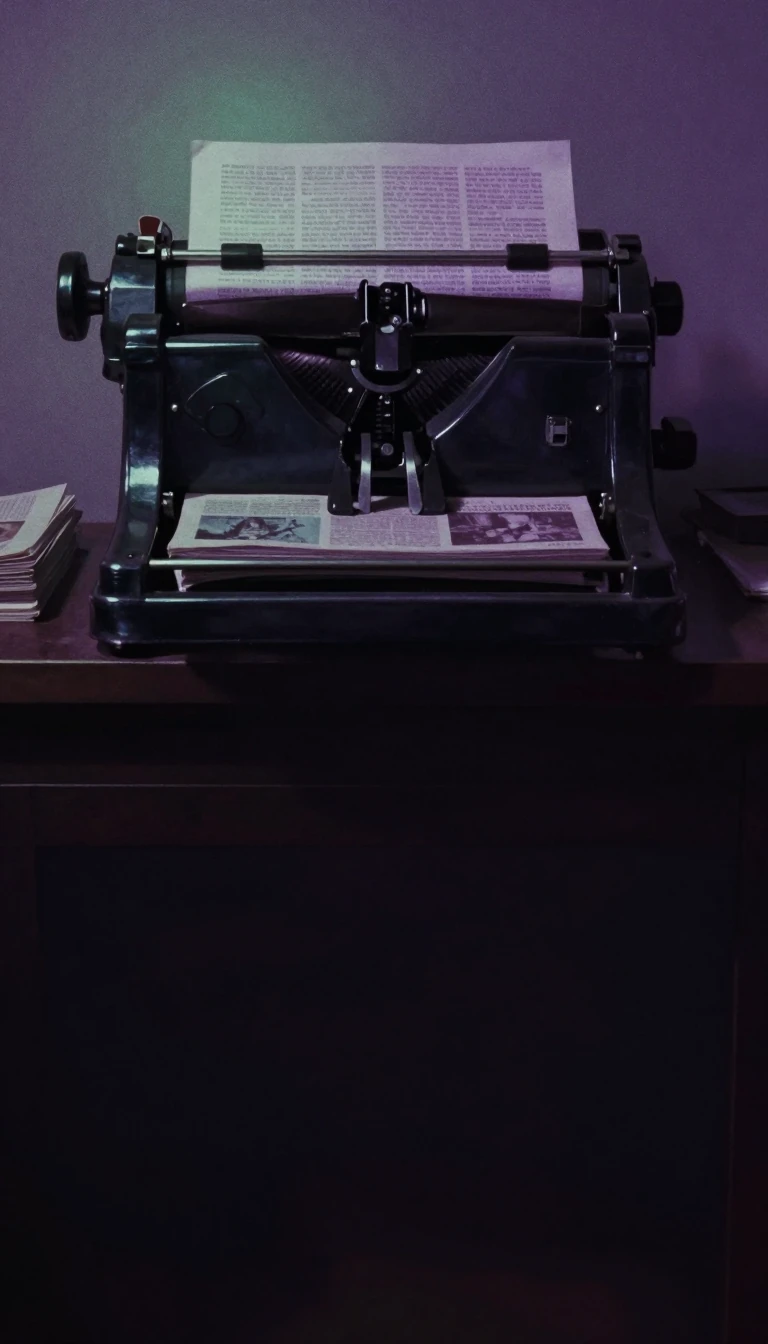
In short: Before the Royal Society launched its famous journal, a twelve-page French pamphlet arrived in Paris. The Journal des sçavans became the world's first academic journal, setting the stage for centuries of intellectual exchange. From the speed of light to the foundations of philosophy, it documented the Enlightenment's greatest breakthroughs.
Established by Denis de Sallo, the Journal des sçavans debuted on 5 January 1665. This modest quarto pamphlet predated the Philosophical Transactions of the Royal Society by only two months. Its initial mission was remarkably broad, covering obituaries of notable figures, church history, legal developments, and the burgeoning field of natural philosophy. It served as a vital clearinghouse for the intellectual elite of the 17th century.
The journal’s pages became a stage for transformative ideas. In 1676, it published Ole Rømer’s groundbreaking determination that light does not propagate instantly, though his calculation was about 26% slower than the modern value. Later, in 1692, Gottfried Wilhelm Leibniz used the publication to offer his first formal explication of Monadology. The journal also facilitated cross-cultural inquiry, such as Abraham Hyacinthe Anquetil-Duperron’s 1762 study of Zoroastrianism, which significantly expanded European understanding of Eastern traditions.
The publication faced turbulence during the French Revolution, ceasing operations in 1792. Although it saw a brief revival in 1797, regular publication did not resume until 1816 under the patronage of the Institut de France. Throughout its long history, the journal has evolved from a generalist scientific record into a specialized authority on European history and premodern literature. Today, under the stewardship of the Belgian company Peeters, it remains a cornerstone of French humanities scholarship, bridging the gap between its 17th-century origins and modern academic rigor.
Opens the Intellect+ feed with this card first. Swipe up for the next one.
Sources
- Summary by Intellect · source: Journal des sçavans
To cite this card, link to https://intellectplus.co.uk/app/culture-journal-des-s-avans.
How we source, check and correct cards: Editorial standards.
General information, not professional advice. Spotted an error? Flag the card or see corrections and complaints.
Intellect Plus is a visual educational discovery platform for exploring fascinating facts and ideas. Brain Food, Not Brain Rot. What is Intellect Plus?
Related
More in Journalism and mass media · More in Cultures · Latest · A–Z · All topics
