The Keystone Pipeline: A 2,687-Mile Conduit for Energy, Controversy, and Climate Debate
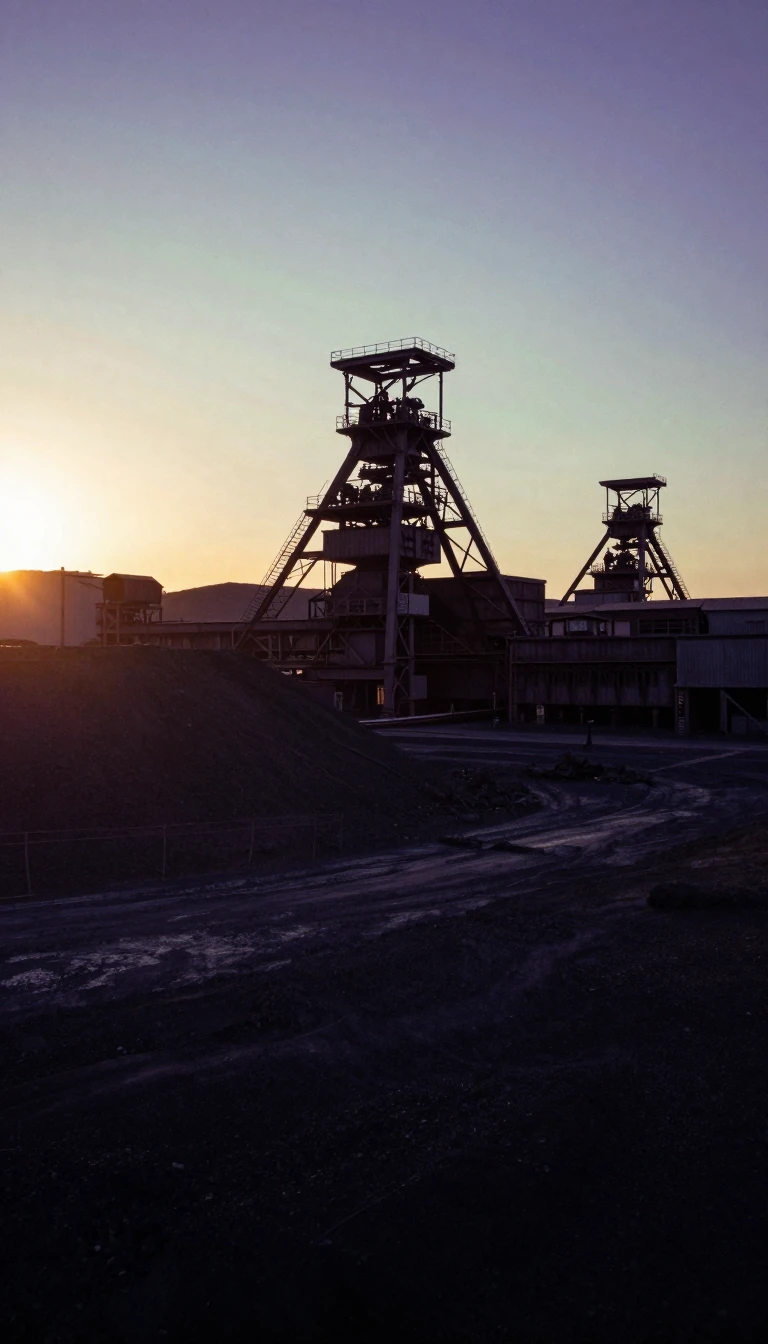
In short: Spanning thousands of miles from Alberta to the American Gulf Coast, the Keystone pipeline system is more than just steel infrastructure. It has become a lightning rod for debates over energy security, Indigenous sovereignty, and the environmental cost of extracting synthetic crude oil from Canada's vast tar sands.
The Keystone pipeline system, managed by TC Energy, stretches 2,687 miles across North America. Its initial phases, completed between 2010 and 2014, established a critical artery connecting the Western Canadian Sedimentary Basin in Alberta to major U.S. hubs in Illinois, Oklahoma, and Texas. While designed to transport up to 830,000 barrels of oil daily, actual throughput between 2012 and 2022 typically fluctuated between 550,000 and 650,000 barrels per day.
The proposed Keystone XL expansion, first introduced in 2008, ignited a decade-long political and legal battle. Environmentalists and Indigenous groups, including the Rosebud Sioux, argued the project threatened vital water sources and ignored treaty rights. Critics also highlighted that tar sand oil extraction is significantly more carbon-intensive than conventional petroleum, producing hazardous byproducts like petroleum coke. Conversely, proponents claimed the pipeline would bolster energy independence and create jobs, though energy experts countered that because oil is traded on a global market, the project would have a negligible impact on world supplies or consumer prices.
The project's regulatory journey mirrored the shifting political landscape in Washington. After the Obama administration denied a permit in 2015, the Trump administration approved the expansion in 2017, leading to protracted litigation regarding tribal sovereignty. In 2021, President Joe Biden revoked the permit, prompting TC Energy to terminate the Keystone XL plans. The existing pipeline system remains operational, though it faces ongoing scrutiny; a U.S. Government Accountability Office study identified 22 leak incidents between 2010 and 2020, including a significant 2022 rupture in Kansas that spilled 14,000 barrels of crude oil.
Opens the Intellect+ feed with this card first. Swipe up for the next one.
Sources
- Summary by Intellect · source: Keystone pipeline | Description, Controversy, & Facts | Britannica
- Also: Keystone Pipeline
To cite this card, link to https://intellectplus.co.uk/app/culture-keystone-pipeline.
How we source, check and correct cards: Editorial standards.
General information, not professional advice. Spotted an error? Flag the card or see corrections and complaints.
Intellect Plus is a visual educational discovery platform for exploring fascinating facts and ideas. Brain Food, Not Brain Rot. What is Intellect Plus?
Related
More in US culture · More in Cultures · Latest · A–Z · All topics
