How one Canadian deposit became a global energy powerhouse and environmental debate
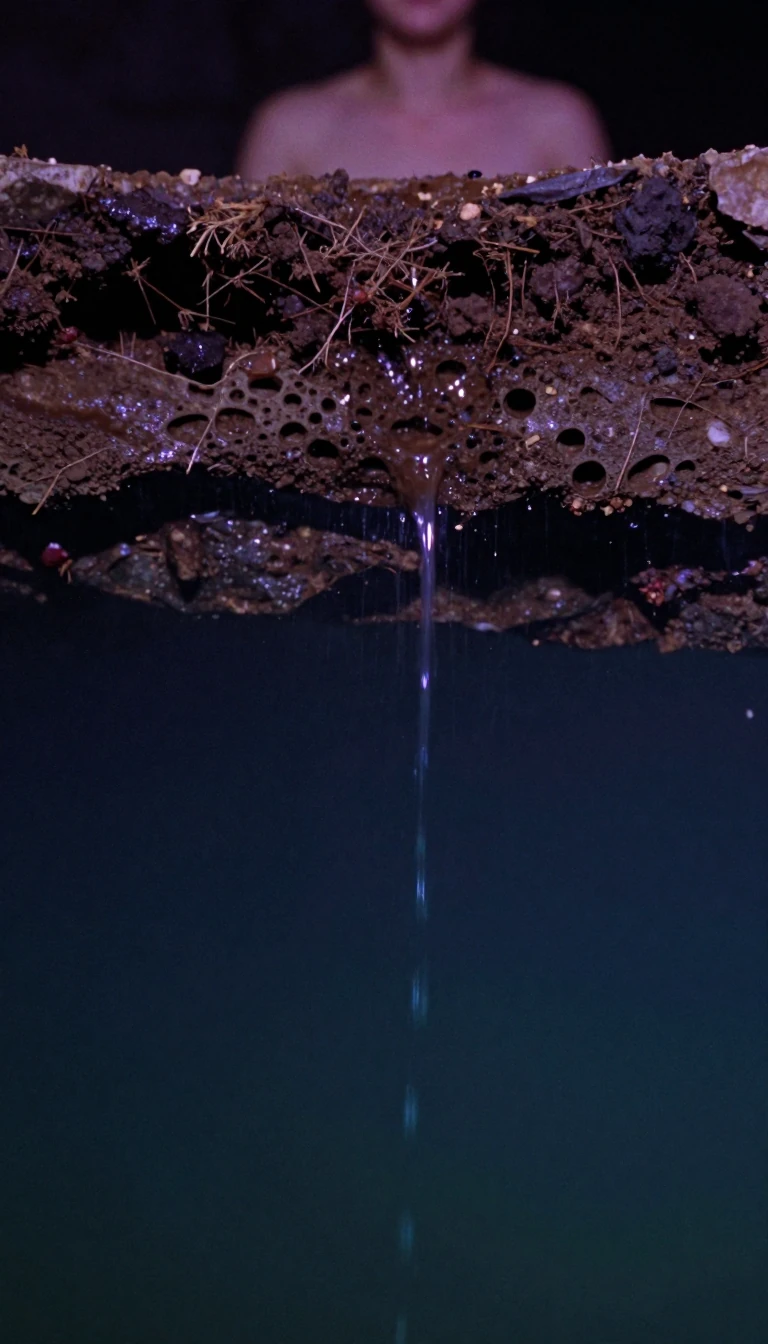
In short: Buried beneath Alberta's boreal forest lies one of the world's largest oil reserves. This thick, heavy bitumen coats grains of sand across 142,200 square kilometers, fueling massive economic growth while sparking intense debate over its environmental footprint and greenhouse gas emissions.
The Athabasca oil sands represent a massive geological phenomenon where bitumen—a thick, heavy form of oil also known as asphalt—coats sand and minerals. While much of the deposit is accessible via open-pit mines, the remaining portion is buried more than 75 meters underground. To extract this deep oil, producers inject hot water into wells to liquefy the bitumen for pumping.
The economic scale is immense. In Alberta, these sands account for just over 30 percent of the gross domestic product. During the 2013–2014 fiscal year, royalties from bitumen and synthetic crude oil provided approximately $5.2 billion, nearly 55 percent of the province's non-renewable resource revenue. However, the extraction process is resource-intensive; it requires roughly two tons of sand to produce a single barrel of crude oil.
This industrial scale brings significant environmental challenges. Surface mining requires clearing forests and creates tailings ponds that store sand and wastewater, which can leak toxins into the Athabasca River or groundwater. Furthermore, the energy required for extraction means oil sands production releases more greenhouse gases than conventional oil. During 2008, these sites released upwards of 20 million tons of greenhouse gases; each barrel yielded 86 to 103 kilograms of carbon dioxide, whereas conventional oil produces only 27 to 58 kilograms.
Historically, the bitumen was used by the Cree and Dene peoples to waterproof canoes. European fur traders first encountered the deposits in the 18th century, with Peter Pond becoming the first European to see them in 1778.
Opens the Intellect+ feed with this card first. Swipe up for the next one.
Sources
- Summary by Intellect · source: World of Change: Athabasca Oil Sands - NASA Science
- Also: Athabasca oil sands
To cite this card, link to https://intellectplus.co.uk/app/places-athabasca-oil-sands.
How we source, check and correct cards: Editorial standards.
General information, not professional advice. Spotted an error? Flag the card or see corrections and complaints.
Intellect Plus is a visual educational discovery platform for exploring fascinating facts and ideas. Brain Food, Not Brain Rot. What is Intellect Plus?
Related
More in Bodies of water · More in Countries & Cities · Latest · A–Z · All topics
