The Kingdom of the Isles was a shifting, sea-bound realm of Norse-Gaelic power.
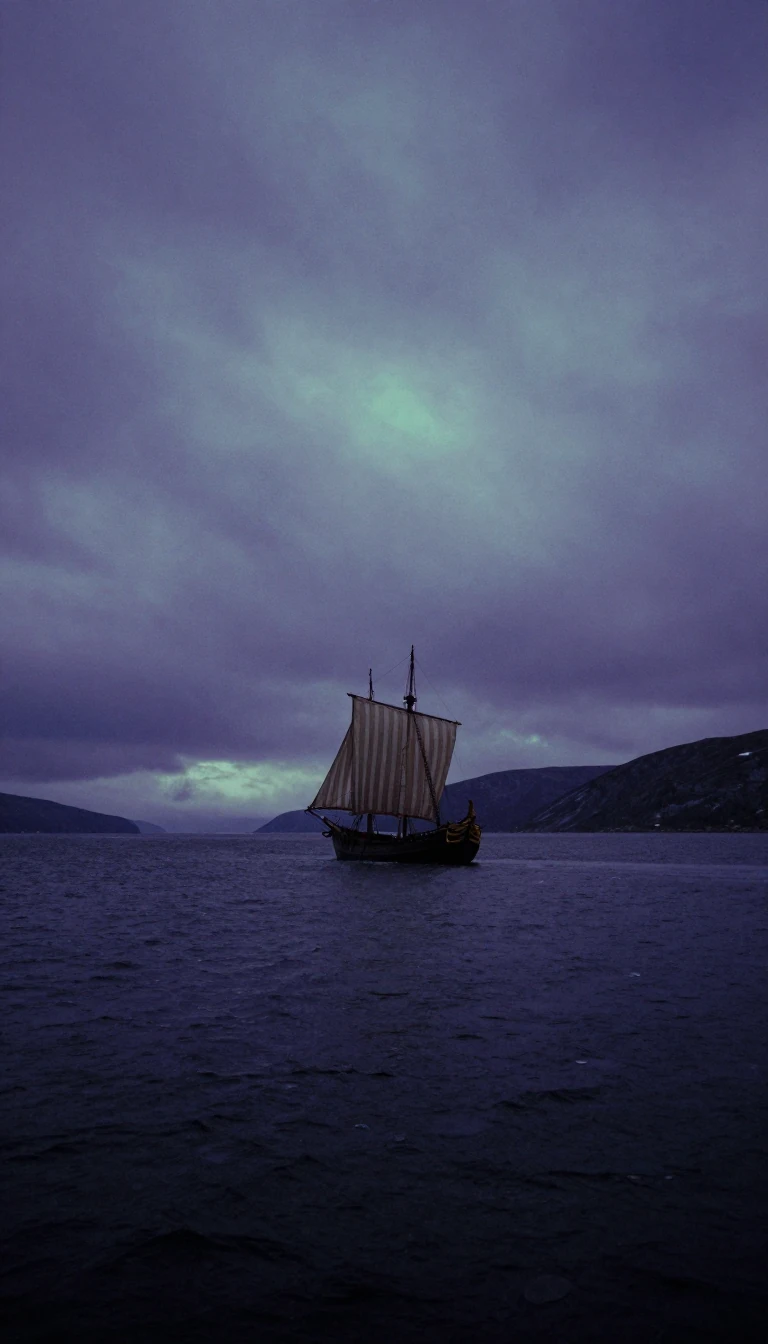
In short: Spanning the Isle of Man and the Hebrides, this maritime kingdom defied simple borders. From the 9th to the 13th centuries, it served as a volatile crossroads for Viking raiders, Irish kings, and Scottish lords, often governed more by local assemblies than by any single, absolute sovereign.
The Kingdom of the Isles, or Sudreys, comprised a sprawling archipelago extending over 500 kilometres from the Isle of Man to the Outer Hebrides. Its history is defined by the interplay of Norse and Gaelic cultures, giving rise to the Gallgáedil—individuals of mixed Scandinavian-Celtic descent who dominated the region. Despite its strategic importance, the kingdom was rarely a unified, continuous entity. Historical records are notoriously fragmented, with local written sources vanishing after 849 when relics were removed from Iona, leaving later historians to rely on Norse sagas and Irish annals that often reflect competing political agendas.
Power in the Isles was fluid and frequently contested. Rulers like Godred Crovan, who seized the Isle of Man in 1079, navigated a landscape where Norwegian overlordship, Irish influence, and Scottish territorial claims overlapped. The title of 'King' in this context did not imply the absolute sovereignty of a High King; instead, it often described a loose authority over far-flung islands. Some periods suggest the region was governed by assemblies of freeholders who elected lawmen to manage public affairs, rather than by a centralized monarchy.
The kingdom’s fate was sealed by external pressures and internal instability. Magnus Barefoot’s 1090s invasion briefly enforced direct Norwegian rule, famously dragging his longship across the Kintyre isthmus to claim the peninsula as an island. By the 12th century, the rise of figures like Somerled led to the kingdom's fragmentation. Ultimately, the 1266 Treaty of Perth transferred the Isles from Norwegian to Scottish control, ending a centuries-long era of Norse-Gaelic independence. Today, the legacy of this 'far-flung sea kingdom' remains a subject of intense scholarly debate, with multiple competing theories regarding the true nature of Viking Age influence in the region.
Opens the Intellect+ feed with this card first. Swipe up for the next one.
Sources
- Summary by Intellect · source: Kingdom of the Isles
To cite this card, link to https://intellectplus.co.uk/app/culture-kingdom-of-the-isles.
How we source, check and correct cards: Editorial standards.
General information, not professional advice. Spotted an error? Flag the card or see corrections and complaints.
Intellect Plus is a visual educational discovery platform for exploring fascinating facts and ideas. Brain Food, Not Brain Rot. What is Intellect Plus?
Related
More in Festivals & celebrations · More in Cultures · Latest · A–Z · All topics
