The ancient Roman guardians who watched every doorway and crossroads
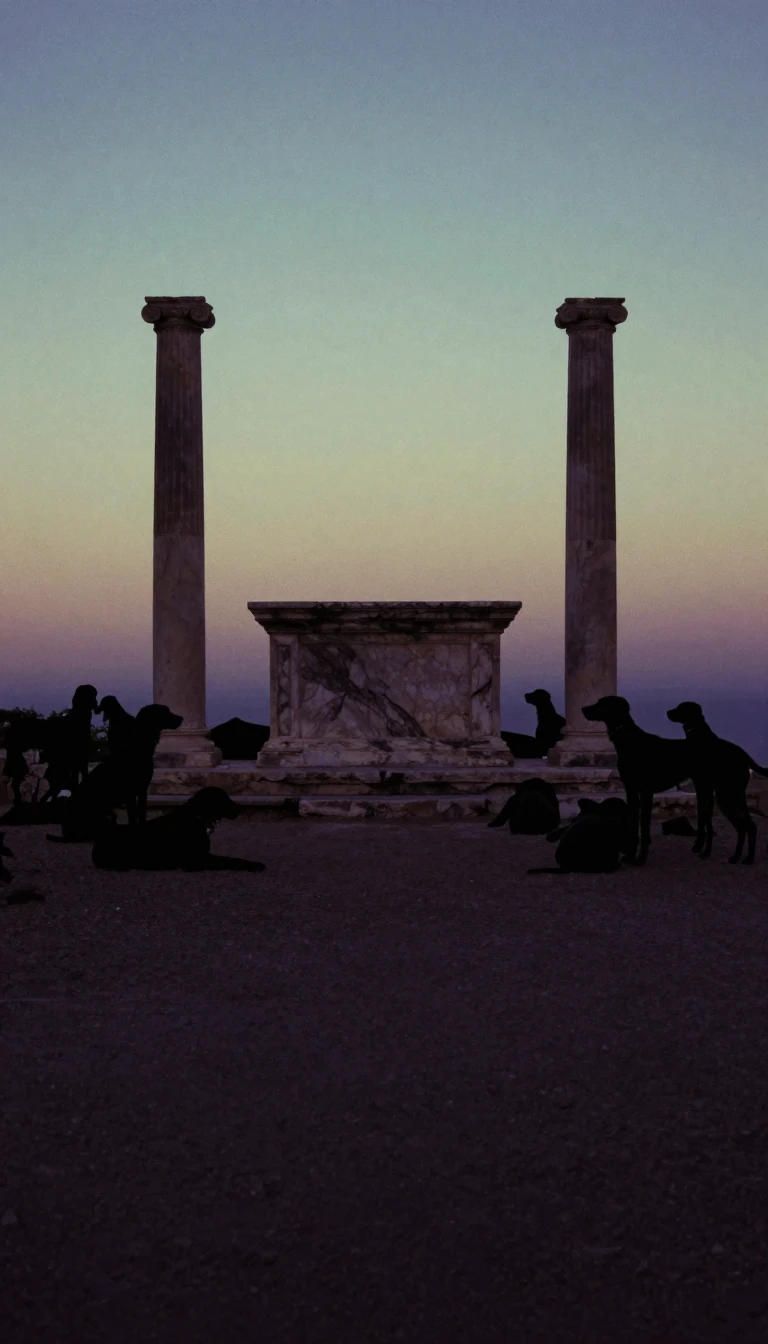
In short: In ancient Rome, safety wasn't just a matter of locked doors; it was a spiritual contract. The Lares were guardian deities who inhabited the boundaries of daily life—from the family dinner table to the city walls—protecting everything from domestic hearths to vast military campaigns.
The origins of the Lares remain uncertain, with theories suggesting they were hero-ancestors, guardians of fruitfulness, or protectors of specific boundaries. Unlike major deities with broad cosmic scopes, Lares functioned within 'bounded physical domains.' They were as innumerable as the places they protected, appearing in diverse roles: some guarded roadways and seaways, while others oversaw agriculture, livestock, and even entire cities. In domestic settings, statues of these gods were placed on tables during family meals, where their blessing was considered essential for all significant household events.
Their iconography evolved significantly over centuries. Early literary references suggest they could be worshipped individually or in groups as large as 30. By the early Imperial era, influenced by Greek religion and the myth of Romulus and Remus, they were typically represented as paired, youthful male figures in rustic dogskin tunics. These figures often struck a dancer's pose, balancing on one leg while holding a drinking horn (rhyton) and a libation dish (patera). This imagery may have been tied to the Lares Praestites, who served as 'watchmen' for Rome, potentially protecting the city from fire.
A fascinating canine connection exists in Roman tradition. Ovid noted that both dogs and the Lares Praestites were loyal, wakeful guardians of the home who chased away thieves. Some scholars suggest this link stems from a belief in their chthonic nature or their ability to track 'evil-doers' like the Furies. This spiritual protection was eventually codified by Emperor Augustus, who linked his own household Lares with those of the state and neighborhood shrines (Compitalia), creating a unified religious identity that persisted into the early fifth century AD.
The cult of the Lares also served as a unique social space. In local neighborhoods known as vici, crossroad shrines called Compitalia became hubs for religious and political life. Notably, these shrines were often managed by freedmen and slaves—individuals who were otherwise excluded from most administrative or religious offices due to their status. This allowed marginalized groups to hold significant roles in the spiritual maintenance of the community.
Opens the Intellect+ feed with this card first. Swipe up for the next one.
Sources
- Summary by Intellect · source: Lares
To cite this card, link to https://intellectplus.co.uk/app/culture-lares.
How we source, check and correct cards: Editorial standards.
General information, not professional advice. Spotted an error? Flag the card or see corrections and complaints.
Intellect Plus is a visual educational discovery platform for exploring fascinating facts and ideas. Brain Food, Not Brain Rot. What is Intellect Plus?
Related
More in Traditions & customs · More in Cultures · Latest · A–Z · All topics
