How a small Turin grocery store became a global coffee powerhouse
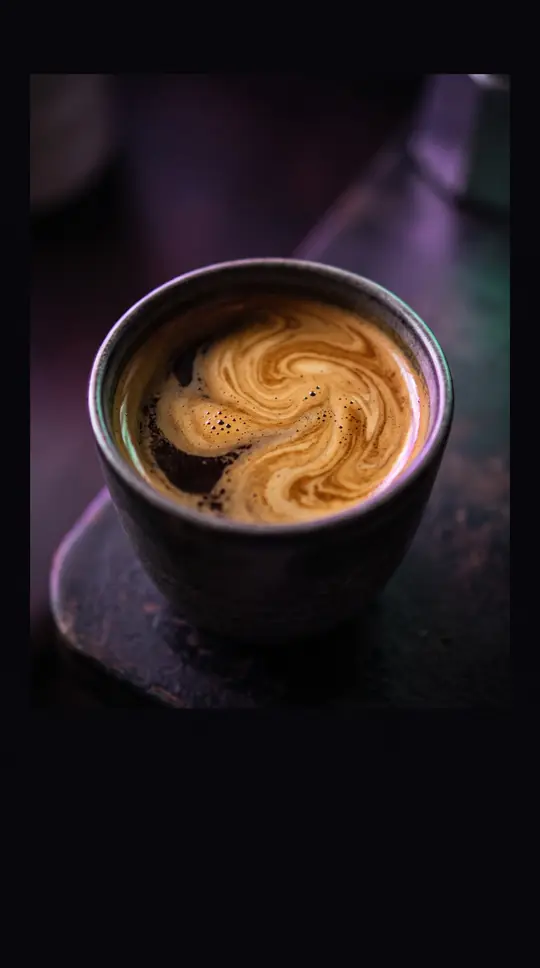
In short: Founded in 1895, Lavazza transformed from a local Italian shop into the world's seventh-largest coffee roaster. By pioneering the art of blending beans from diverse geographies, the family-owned firm now exports nearly half its production, operating across 90 countries while maintaining its deep roots in Turin's historic Aurora district.
Luigi Lavazza established his namesake company in 1895, operating initially from a modest grocery store located at Via San Tommaso 10 in Turin. Today, the business remains under the stewardship of the third and fourth generations of the Lavazza family. The company credits its enduring success to the early invention of blending, a process that combines coffee varieties from different regions to create a consistent flavor profile. This technique remains a defining characteristic of their extensive product range, which includes everything from traditional whole beans to modern capsule systems like A Modo Mio and Espresso Point.
The scale of the operation is significant. As of 2019, the group reported annual revenue of 2.24 billion euros and employed 3,800 people. With six manufacturing plants split evenly between Italy and international locations, the company maintains a massive footprint. In Italy alone, the brand holds a market share exceeding 36 percent, with 16 million out of 20 million coffee-buying households choosing their products. Beyond its core coffee business, the group has aggressively expanded through strategic acquisitions, including the 2016 purchase of Carte Noire and Merrild, an 80 percent stake in Kicking Horse Coffee in 2017, and the 2022 acquisition of the French supplier MaxiCoffee.
Beyond roasting, the company has cultivated a distinct cultural identity. Since 1991, it has produced the Lavazza Calendar, a high-profile project featuring work from renowned photographers such as Helmut Newton and Annie Leibovitz. The brand also maintains a high visibility through sports sponsorships, including partnerships with Liverpool F.C. and Juventus FC. However, the company's growth has not been without friction; in 2019, it faced a lawsuit alleging it used false intellectual property claims to hinder American resellers on Amazon. Furthermore, while the company maintains a global presence, its 2020 sustainability report indicated that only one in ten of its production companies held fairtrade certification, highlighting the complex realities of managing a massive, multi-generational supply chain.
Opens the Intellect+ feed with this card first. Swipe up for the next one.
Sources
- Summary by Intellect · source: Lavazza
To cite this card, link to https://intellectplus.co.uk/app/culture-lavazza.
How we source, check and correct cards: Editorial standards.
General information, not professional advice. Spotted an error? Flag the card or see corrections and complaints.
Intellect Plus is a visual educational discovery platform for exploring fascinating facts and ideas. Brain Food, Not Brain Rot. What is Intellect Plus?
Related
More in US culture · More in Cultures · Latest · A–Z · All topics
