Leinster is a modern province built from the ruins of ancient Gaelic kingdoms
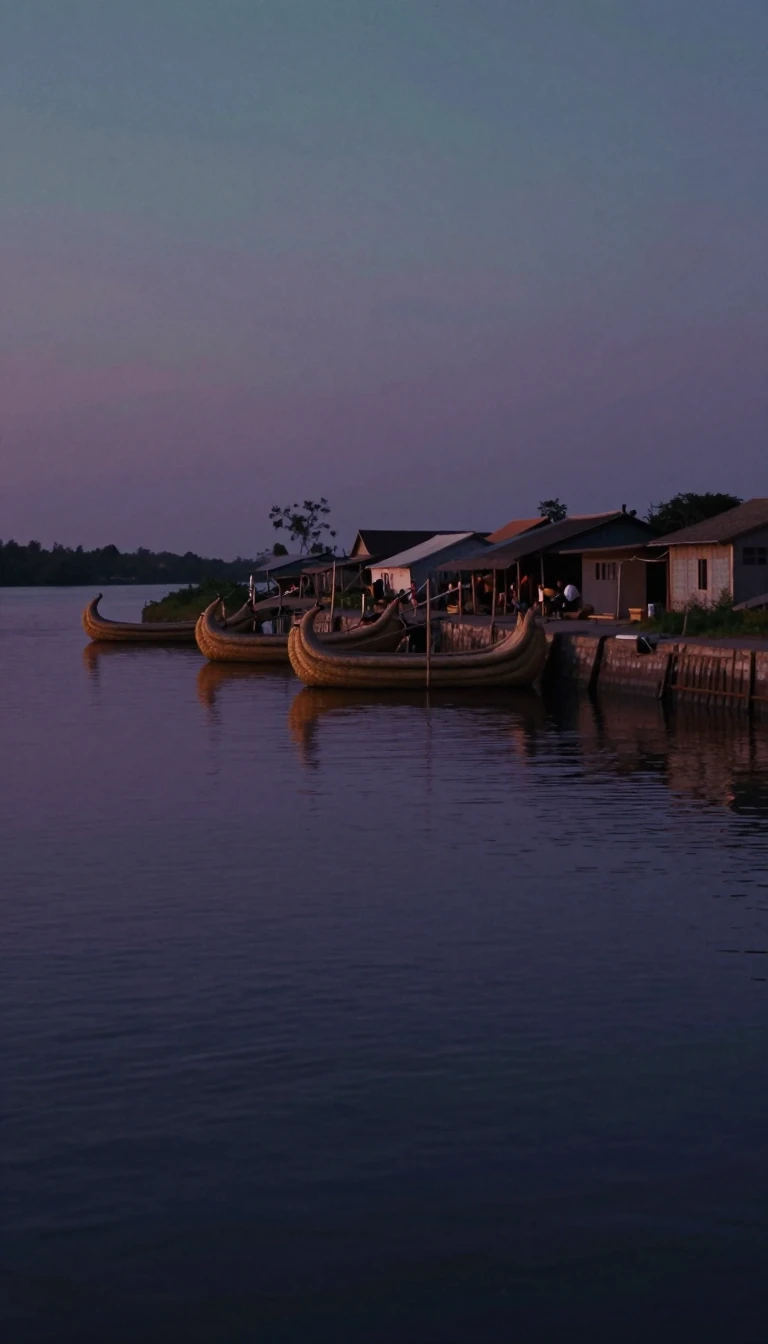
In short: Leinster is Ireland's most populous province, yet it holds no official local government function. Its name traces back to a powerful tribe, but its current borders are a patchwork of historical conquests, administrative shifts, and the legacy of the English Pale, evolving significantly from the original Gaelic kingdom of Laigin.
The name Leinster derives from the Laigin, a major tribe that once inhabited the region. The first part of the name comes from the tribe, while the latter part likely stems from the Irish word tír or the Old Norse staðr, both meaning land or territory. Historically, the Kingdom of Laigin was considerably smaller than the modern province, often excluding areas like Meath, Osraige, and the Viking cities of Dublin and Wexford. By the 7th century BC, Úgaine Mór is considered a likely candidate for the first historical king of Laigin, with the legendary Cathair Mor later re-founding the kingdom around 175/185 AD.
The province as it exists today is a composite entity. Following the 12th-century Norman invasion, the historic fifths of Leinster and Meath began to merge, heavily influenced by the Pale—the area directly controlled from Dublin. Over time, the term Leinster subsumed the Pale as English administration expanded. The province’s borders were further reshaped by various Tudor conquests, plantation schemes, and administrative redrawing. For instance, County Louth was transferred from Ulster in 1596, while other territories were incorporated from Munster and Connacht during the 17th century. County Wicklow was the last major addition, formed between 1603 and 1606.
Today, Leinster comprises twelve traditional counties and serves as an officially recognised subdivision of Ireland, listed under the ISO 3166-2 code IE-L. Despite its lack of local government authority, it remains a central pillar of Irish identity, hosting the country's only official city, Dublin. The province is also a hub for the Irish language; as of 2011, there were over 19,000 students attending Irish-language schools in the region. While the province is the second smallest by land area, its population has grown significantly, reaching over 2.8 million by 2022, cementing its status as the most populous province on the island.
The legacy of the Laigin extends beyond Ireland. In the 4th and 5th centuries, following the departure of Roman legions from Britain in 383 AD, colonists from Laigin settled in North Wales. Their presence is still marked by the name of the Llŷn Peninsula, which derives directly from the tribe. This historical reach highlights how the influence of the ancient kingdom rippled far beyond its original borders, eventually settling into the modern provincial structure that defines the eastern landscape of Ireland today.
Opens the Intellect+ feed with this card first. Swipe up for the next one.
Sources
- Summary by Intellect · source: Leinster
- Also: www.britannica.com — Leinster | Ireland, Map, & History | Britannica
To cite this card, link to https://intellectplus.co.uk/app/culture-leinster.
How we source, check and correct cards: Editorial standards.
General information, not professional advice. Spotted an error? Flag the card or see corrections and complaints.
Intellect Plus is a visual educational discovery platform for exploring fascinating facts and ideas. Brain Food, Not Brain Rot. What is Intellect Plus?
Related
More in Languages · More in Cultures · Latest · A–Z · All topics
