Why the Leeward Islands are not actually leeward in many languages
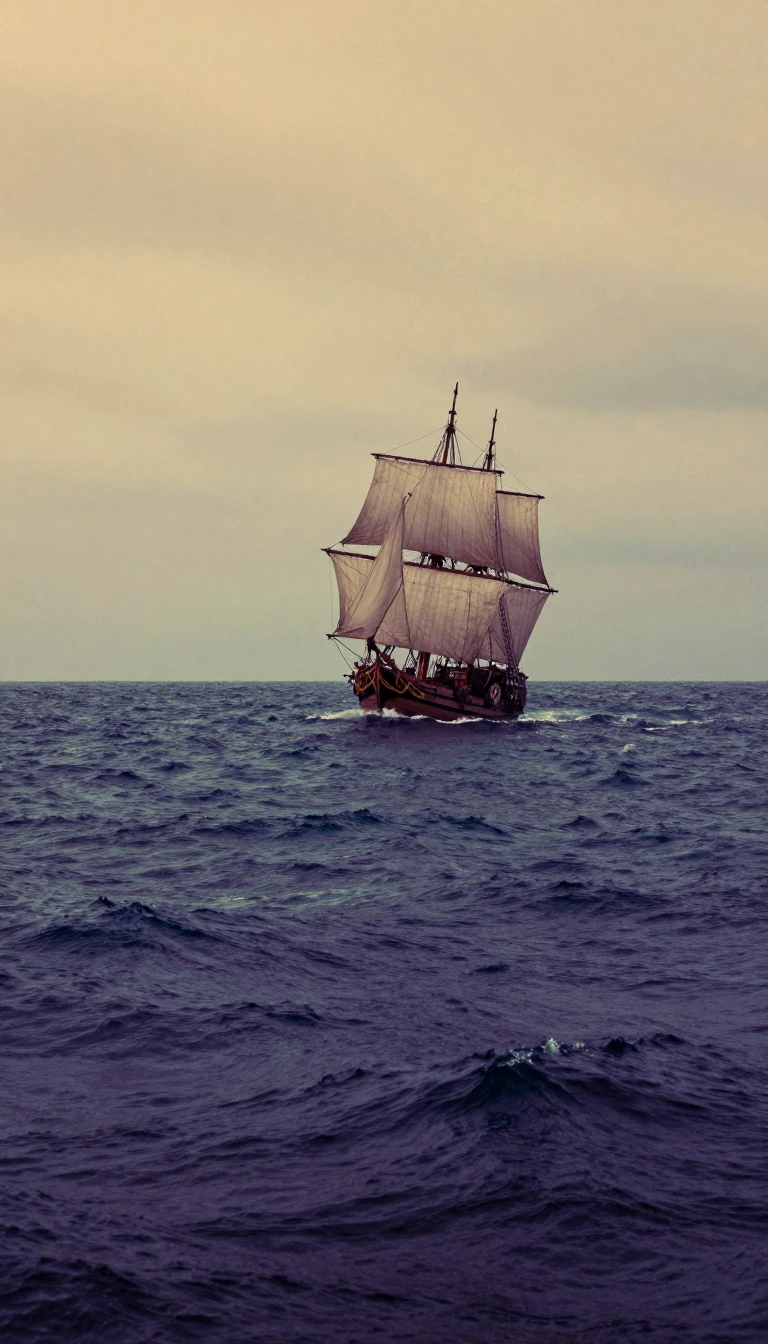
In short: The name Leeward Islands is a relic of the age of sail, describing a position relative to the trade winds. Yet, if you speak French, Spanish, or Dutch, the entire chain is called the Windward Islands. Geography, it seems, depends entirely on which language you use to navigate the sea.
In English sailing terminology, the distinction between Windward and Leeward islands was defined by the prevailing trade winds blowing from the southeast. Ships arriving from the Gulf of Guinea would encounter the islands most exposed to the wind first, marking them as windward. Consequently, the northern islands of the Lesser Antilles were designated as the Leeward Islands, while the southern chain became the Windward Islands. This division was fluid; for instance, Dominica was considered part of the British Leeward Islands until its transfer to the Windward group in 1940.
However, this English-centric nomenclature is not universal. In Spanish, French, and Dutch, the entire Lesser Antilles chain from the Virgin Islands to Trinidad and Tobago is referred to as the Windward Islands—known respectively as Islas de Barlovento, Îles du Vent, and Bovenwindse Eilanden. Conversely, the islands along the Venezuelan coast, which English speakers call the Leeward Antilles, are identified as the Leeward Islands in these other languages. This linguistic divergence highlights how colonial powers imposed their own navigational perspectives onto the Caribbean map.
The region's history is further layered by shifting demographics and colonial administration. When the British established the colony of the Leeward Islands in 1671, the population structure was rapidly transforming. By 1708, the number of enslaved Black people had surged to an estimated 23,500, while the white settler population had declined to 7,311. This demographic shift occurred alongside the islands' complex political history, which saw the federation dissolved in 1816 and re-established in 1833. Today, the islands remain a testament to these overlapping histories, where names and borders reflect centuries of European maritime expansion and the displacement of indigenous populations like the Taínos.
Opens the Intellect+ feed with this card first. Swipe up for the next one.
Sources
- Summary by Intellect · source: Leeward Islands
To cite this card, link to https://intellectplus.co.uk/app/culture-leeward-islands.
How we source, check and correct cards: Editorial standards.
General information, not professional advice. Spotted an error? Flag the card or see corrections and complaints.
Intellect Plus is a visual educational discovery platform for exploring fascinating facts and ideas. Brain Food, Not Brain Rot. What is Intellect Plus?
Related
More in Languages · More in Cultures · Latest · A–Z · All topics
